

Healthy Eating for Beginners: A Complete Guide to Better Nutrition
Meta Description: Learn how to start a healthy diet with this beginner-friendly guide. Discover macronutrients, balanced meals, and simple tips for better nutrition.
Introduction: Where Should You Start?
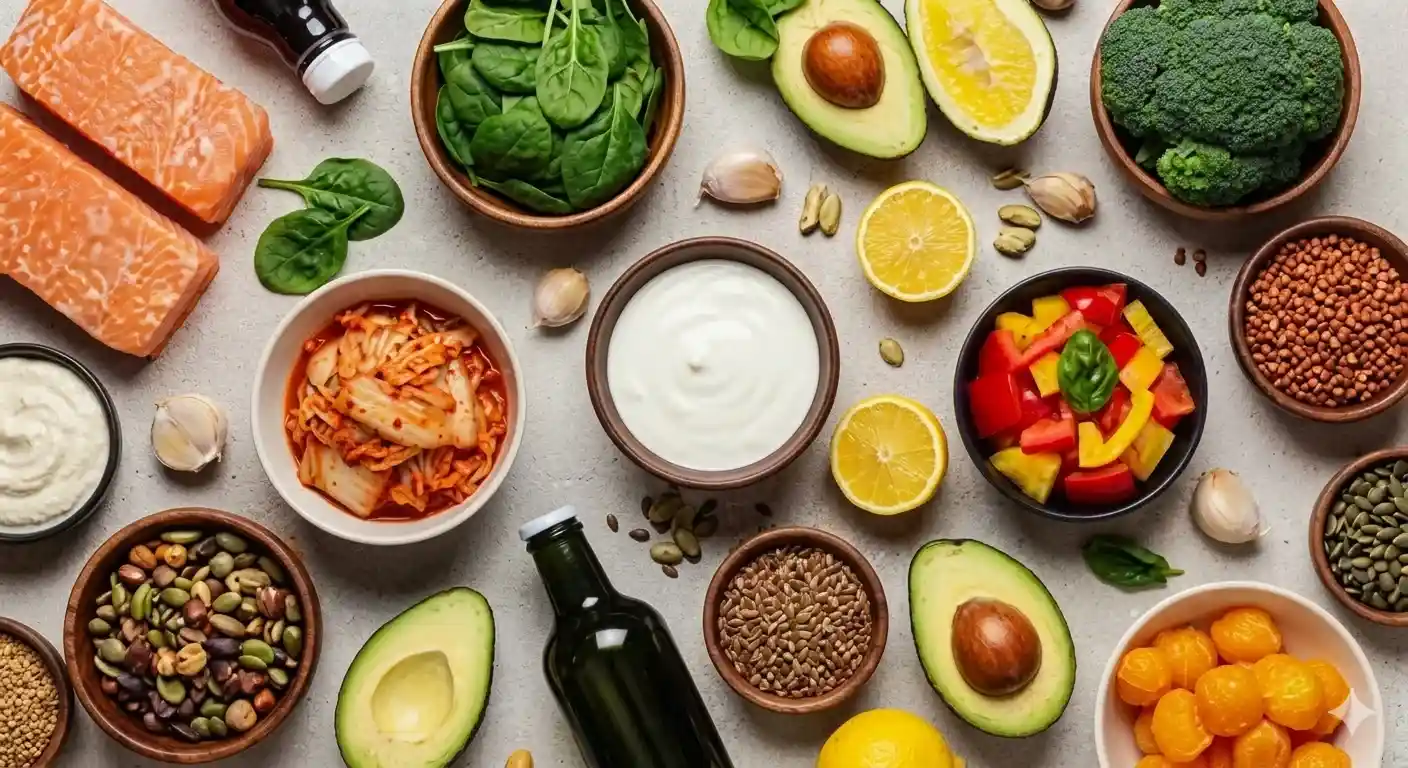
Do you want to eat healthier but don’t know where to begin?
You’re not alone. Starting a healthy diet can feel confusing, especially with so much information available online. The good news is that healthy eating doesn’t have to be complicated. By understanding a few basic principles, you can build a sustainable and balanced diet that supports your long-term health.
This beginner-friendly guide will help you understand macronutrients, calories, and how to create balanced meals, along with simple tips you can apply every day.
The Foundations of a Healthy Diet
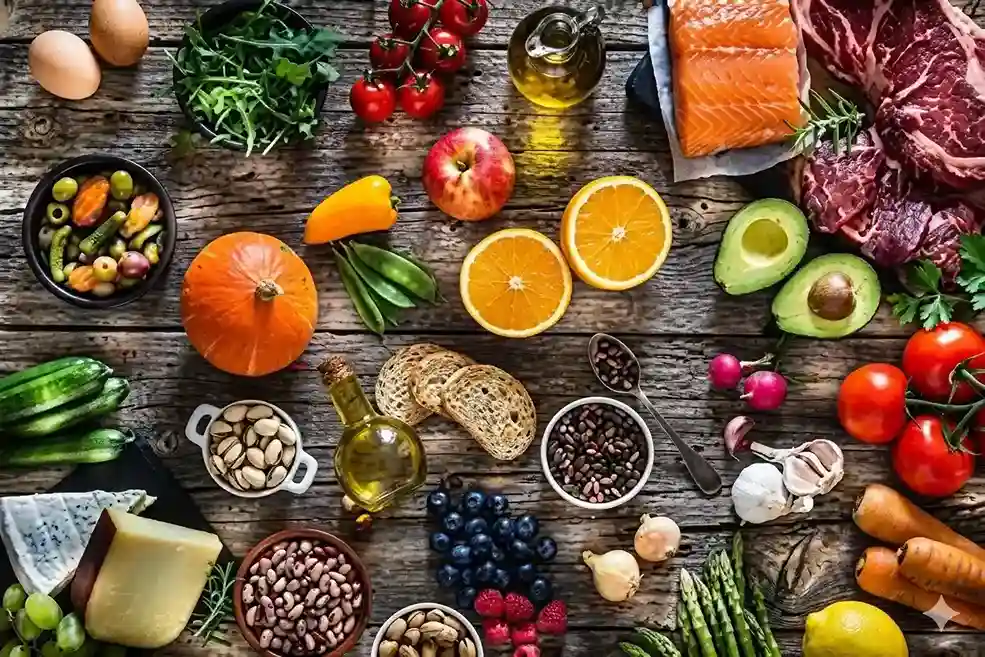
A healthy diet is built on simple, consistent habits. Here are the key principles you should follow:
- Eat at least 5 servings of fruits and vegetables daily
Aim for a variety of colors—often called “eating the rainbow”—to ensure a wide range of nutrients. - Choose whole grains over refined grains
Foods like oats, brown rice, quinoa, and whole-grain bread provide fiber, B vitamins, and long-lasting energy. - Include protein in every meal
Good sources include chicken, eggs, salmon, Greek yogurt, tofu, and legumes. Protein helps build muscle and keeps you full longer. - Stay hydrated
Drink around 2 liters of water per day. Choose water, herbal tea, or black coffee, and avoid sugary drinks. - Limit processed foods
Processed foods are often high in sugar, salt, and unhealthy fats while being low in nutrients.
What Are Macronutrients?
Macronutrients are the nutrients your body needs in large amounts: protein, carbohydrates, and fats. They provide energy and support essential body functions.
Protein
Protein is essential for building and repairing muscles, supporting the immune system, and maintaining overall health.
Sources: chicken, beef, eggs, yogurt, tofu, beans
Carbohydrates
Carbohydrates are your body’s main energy source. They are broken down into glucose to fuel daily activities and exercise.
Sources: whole grains, fruits, potatoes, bread
Fats
Fats are the most energy-dense macronutrient and are crucial for hormone production and nutrient absorption.
Healthy sources: olive oil, avocado, nuts, fatty fish
Understanding Calories
Calories represent the energy you get from food and drinks. Each macronutrient provides a different number of calories:
- Protein: 4 kcal per gram
- Carbohydrates: 4 kcal per gram
- Fat: 9 kcal per gram
Your body needs calories to function—even when you’re resting or sleeping.
Your calorie intake affects your weight:
- Maintain weight: calories in = calories out
- Lose weight: calories in < calories out
- Gain weight: calories in > calories out
Keep in mind that your calorie needs depend on factors like age, gender, activity level, and body composition.
How to Build a Balanced Meal
Creating balanced meals is the key to staying healthy and energized throughout the day. A simple method you can follow is:
Fill half your plate with non-starchy vegetables like broccoli, spinach, tomatoes, or lettuce. They are rich in nutrients and low in calories.
¼ Plate: Lean Protein
Include sources like chicken breast, eggs, fish, tofu, or Greek yogurt to support muscle growth and satiety.
¼ Plate: Complex Carbohydrates
Choose whole, unprocessed carbs like oats, quinoa, sweet potatoes, or whole-grain bread for sustained energy.
Healthy Fats (1–3 tablespoons)
Add healthy fats such as olive oil, nuts, avocado, or dark chocolate to support hormone health and nutrient absorption.
Simple Tips to Stay on Track
- Start small—don’t try to change everything at once
- Plan your meals in advance
- Cook more meals at home
- Read food labels carefully
- Stay consistent rather than perfect
Final Thoughts
Healthy eating is not about strict diets or cutting out all your favorite foods. It’s about balance, consistency, and making better choices over time.