

How to Eat Scientifically for Effective Weight Loss
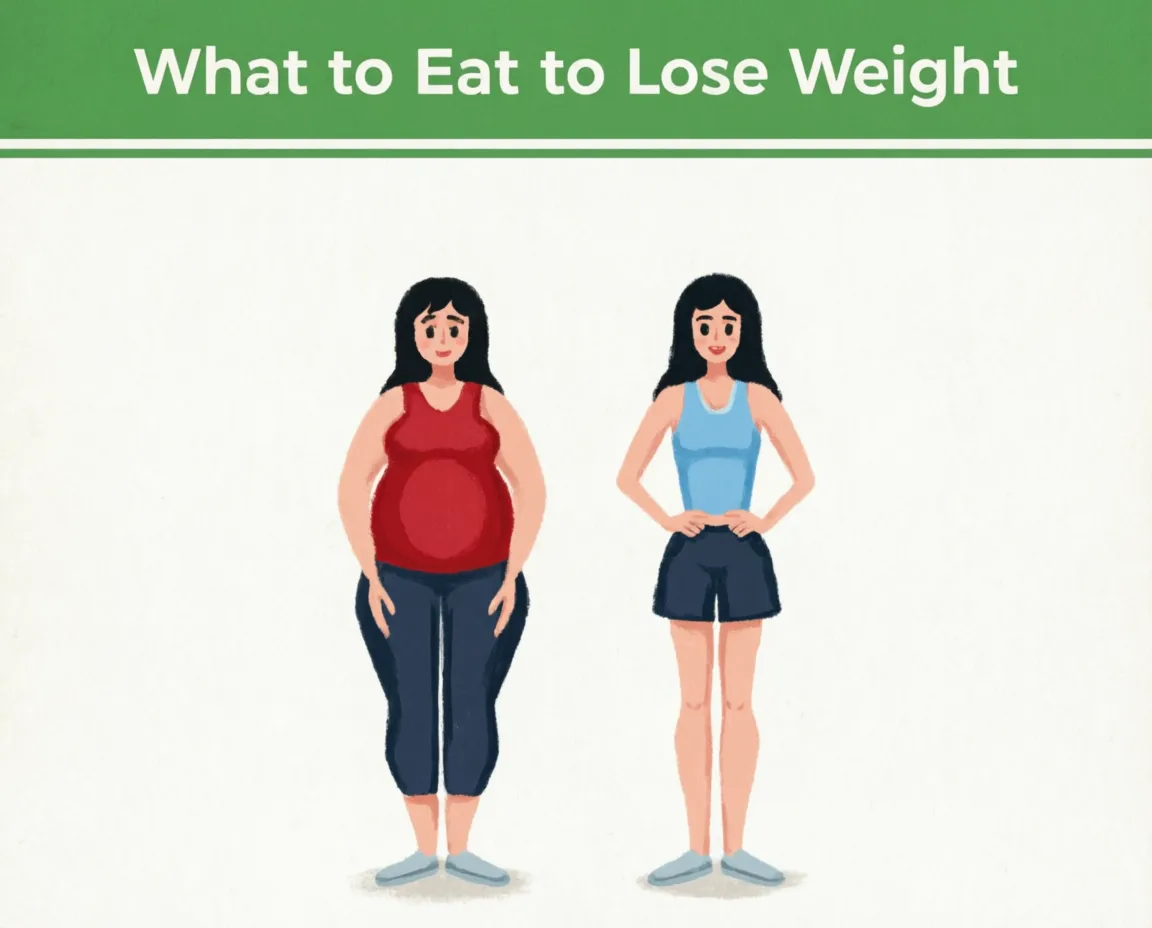
Achieving a fit and healthy body is a common goal for people struggling with overweight or obesity. While there are many weight loss methods available, the most sustainable and effective approach starts with a scientific and balanced diet. In this guide, you’ll learn key principles, recommended foods, and practical tips to help you lose weight safely and efficiently.
Why Diet Matters in Weight Loss
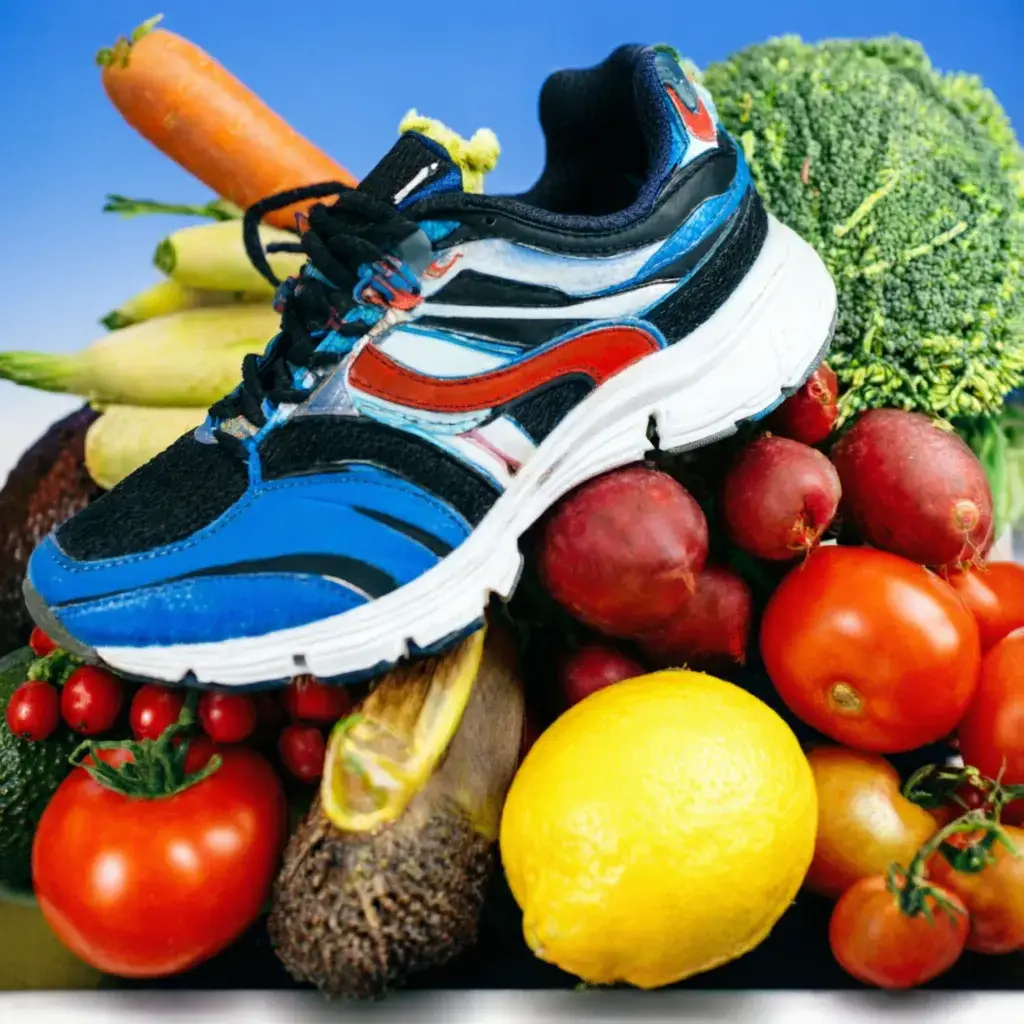
Your daily diet plays a decisive role in your body weight. Consuming excessive sugar, unhealthy fats, and processed foods can lead to fat accumulation and increase the risk of obesity. To lose weight effectively, it’s essential to build a structured eating plan that aligns with your calorie needs and health goals.
1. Key Principles of a Scientific Weight Loss Diet
1.1 Control Your Calorie Intake
Every food you consume provides energy (calories), which your body uses for essential functions like metabolism, digestion, and physical activity. When you consume more calories than your body needs, the excess is stored as fat.
The golden rule for weight loss is:
Consume fewer or equal calories than your body burns.
However, avoid extreme dieting methods like skipping meals or starving yourself. Sudden calorie restriction can lead to fatigue, muscle loss, and metabolic slowdown. Instead, reduce your calorie intake gradually and sustainably.
1.2 Increase Fiber and Protein, Reduce Refined Carbs
A balanced weight loss diet should prioritize:
- High-fiber foods: Vegetables, fruits, and whole grains help you feel full longer while providing fewer calories.
- Protein-rich foods: Lean protein (like chicken, fish, or plant-based sources) reduces hunger and supports muscle maintenance.
- Healthy carbs: Replace refined carbs (white rice, sugar) with complex carbs such as brown rice, oats, and whole grains.
This combination helps stabilize blood sugar levels and prevents overeating.
1.3 Eat Smaller, More Frequent Meals
Instead of eating 2–3 large meals, divide your daily intake into 5–6 smaller meals spaced 1.5–2 hours apart. This helps:
- Reduce hunger cravings
- Maintain stable energy levels
- Prevent overeating during main meals
Consistent meal timing also supports better metabolism.
1.4 Stay Hydrated
Water plays a crucial role in weight loss. Drinking enough water helps:
- Improve metabolism
- Support digestion
- Reduce false hunger signals
Aim for at least 2 liters of water per day, especially if you exercise regularly.
2. Best Foods for Weight Loss
Choosing the right foods can significantly improve your weight loss results. Here are some recommended options:
Leafy Greens
Low in calories but high in fiber and nutrients, leafy greens like spinach, kale, and broccoli are ideal for weight loss diets.
Lean Protein Sources
Foods like chicken breast and salmon help you stay full longer and preserve muscle mass while losing fat.
Whole Grains and Legumes
Oats, brown rice, and beans provide slow-releasing energy and keep blood sugar stable.
Nuts and Healthy Snacks
Nuts like almonds and cashews are rich in healthy fats and can reduce cravings when eaten in moderation.
Low-Sugar Fruits
Fruits such as grapefruit, kiwi, and oranges provide vitamins while keeping sugar intake under control.
3. Combine Diet with Exercise
Diet alone is not enough for optimal weight loss. Physical activity helps burn calories, reduce body fat, and improve overall fitness.
Some effective exercises include:
- Cardio workouts
- Running or jogging
- Cycling
- Swimming
- Plank and bodyweight exercises
- Sports like volleyball
Start with moderate intensity and gradually increase your workout level. Consistency is more important than intensity when it comes to long-term results.
4. Tips for Sustainable Weight Loss
- Avoid crash diets or extreme restrictions
- Focus on long-term lifestyle changes
- Track your progress regularly
- Get enough sleep to support metabolism
- Stay consistent and patient
Weight loss is not a quick fix—it’s a journey that requires discipline and persistence.
Conclusion
A scientific approach to eating is the foundation of effective and sustainable weight loss. By controlling calorie intake, choosing the right foods, staying hydrated, and combining diet with regular exercise, you can achieve your desired weight safely.
Remember, consistency is key. Start with small changes, stay committed, and your results will follow.