

Healthy Diet: A Complete Guide to Eating Well for Life
Meta Description: Learn what a healthy diet is, its core principles, and how to balance nutrients for better health, energy, and disease prevention.
Introduction: Why a Healthy Diet Matters
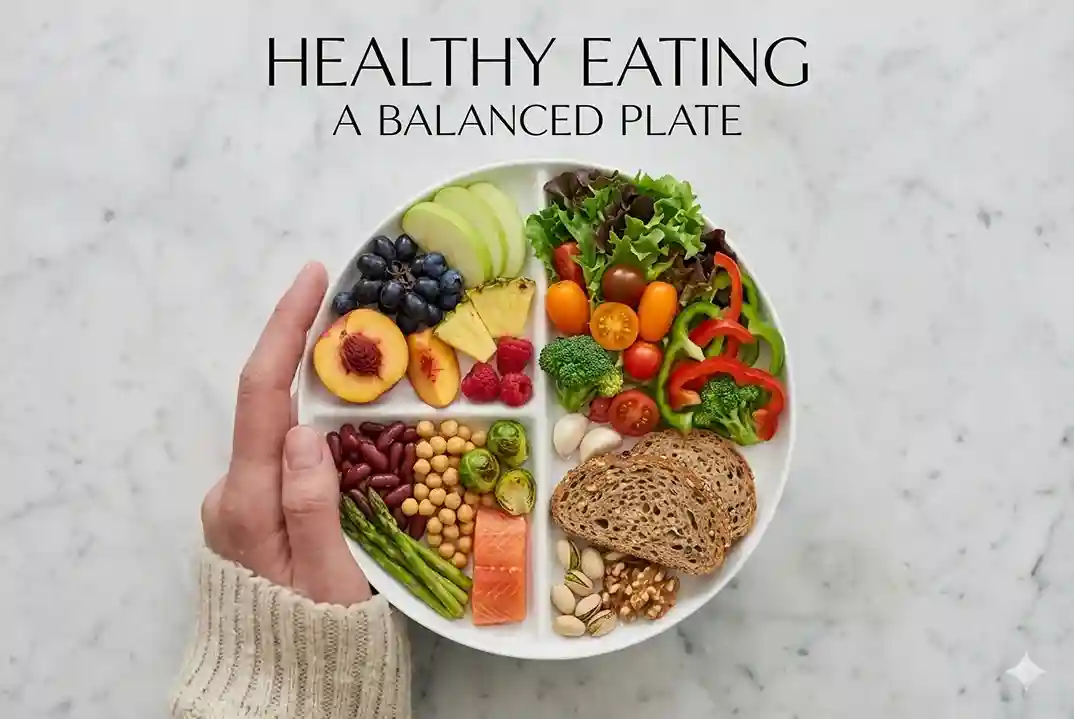
A healthy diet plays a vital role in shaping both individual and community health. Poor eating habits are one of the leading risk factors for disease, disability, and reduced quality of life. On the other hand, a well-balanced diet can protect your body from malnutrition and reduce the risk of chronic conditions such as diabetes, heart disease, stroke, and cancer.
Healthy eating should begin early in life. Good nutrition during childhood supports proper growth and cognitive development, while long-term eating habits often carry into adulthood. The good news is that no matter your age, it’s never too late to start improving your diet.
The Core Principles of a Healthy Diet
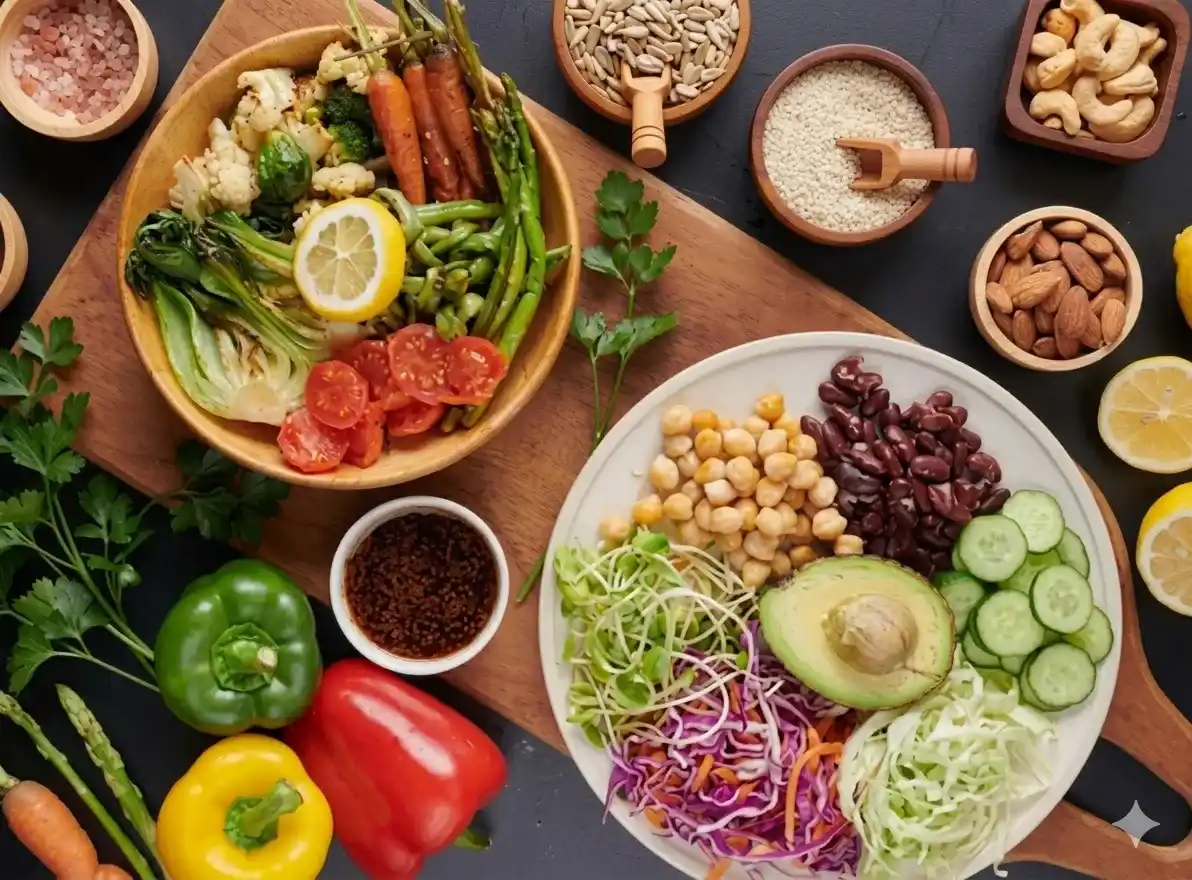
Although healthy diets can vary depending on culture, lifestyle, and personal needs, they are all built on four key principles:
1. Adequacy
A healthy diet should provide enough essential nutrients—both macronutrients and micronutrients—without exceeding your body’s needs.
2. Balance
Your energy intake should match your energy expenditure. This means maintaining the right ratio of carbohydrates, proteins, and fats.
3. Moderation
Limit foods that may harm your health, such as those high in sugar, salt, and unhealthy fats.
4. Variety
Eat a wide range of foods from different food groups to ensure you get all the nutrients your body needs.
Following these principles consistently can support lifelong health and well-being.
Modern Diet Challenges
In today’s fast-paced world, dietary habits have shifted significantly. Urbanization, changes in food production, and busy lifestyles have led to increased consumption of processed foods high in sugar, unhealthy fats, and sodium.
At the same time, many people do not consume enough:
- Fruits and vegetables
- Whole grains
- Dietary fiber
This imbalance contributes to the rise of non-communicable diseases (NCDs). That’s why understanding proper nutrition is more important than ever.
Carbohydrates: Your Body’s Main Energy Source
Carbohydrates are essential for fueling daily activities and exercise. Ideally, they should make up 45–75% of your daily energy intake.
Healthy carbohydrate sources include:
- Whole grains (oats, brown rice, whole wheat)
- Fruits and vegetables
- Legumes (beans, lentils, chickpeas)
Aim for at least 400 grams of fruits and vegetables per day and 25 grams of fiber for adults.
Sugar: Limit for Better Health
Free sugar intake should be limited to less than 10% of daily calories, and ideally below 5% for additional health benefits.
Free sugars include:
- Added sugars in foods and drinks
- Sugars in honey, syrups, and fruit juices
Excess sugar consumption is linked to weight gain, diabetes, and other health issues. Reducing sugar intake is one of the most effective ways to improve your diet.
Fats: Focus on Quality, Not Just Quantity
Fats are essential for hormone production and nutrient absorption. However, the type of fat you consume matters more than the amount.
- Unsaturated fats (olive oil, nuts, seeds, fatty fish)
Limit:
- Saturated fats (fatty meat, butter, cheese)
- Trans fats (processed snacks, fried foods)
Keep total fat intake below 30% of daily calories, with saturated fat under 10% and trans fats as low as possible.
Reduce Salt and Processed Foods
Processed foods often contain high levels of sodium, sugar, and unhealthy fats. Reducing your intake of these foods can significantly improve your health.
Simple tips:
- Cook more meals at home
- Choose fresh, minimally processed foods
- Avoid excessive fried and packaged snacks
Make Your Diet Safe and Sustainable
A healthy diet should not only be nutritious but also safe. This means avoiding foods contaminated with harmful bacteria or chemicals.
It should also be sustainable—adapted to your lifestyle, cultural preferences, and available food sources.
Final Thoughts
Healthy eating is not about strict rules or short-term diets. It’s about building a balanced, varied, and sustainable way of eating that supports your body for life.
By focusing on whole foods, limiting processed items, and following the core principles of adequacy, balance, moderation, and variety, you can:
- Improve your overall health
- Increase energy levels
- Reduce the risk of chronic diseases