
Metabolism and Weight Loss: How Your Body Burns Calories
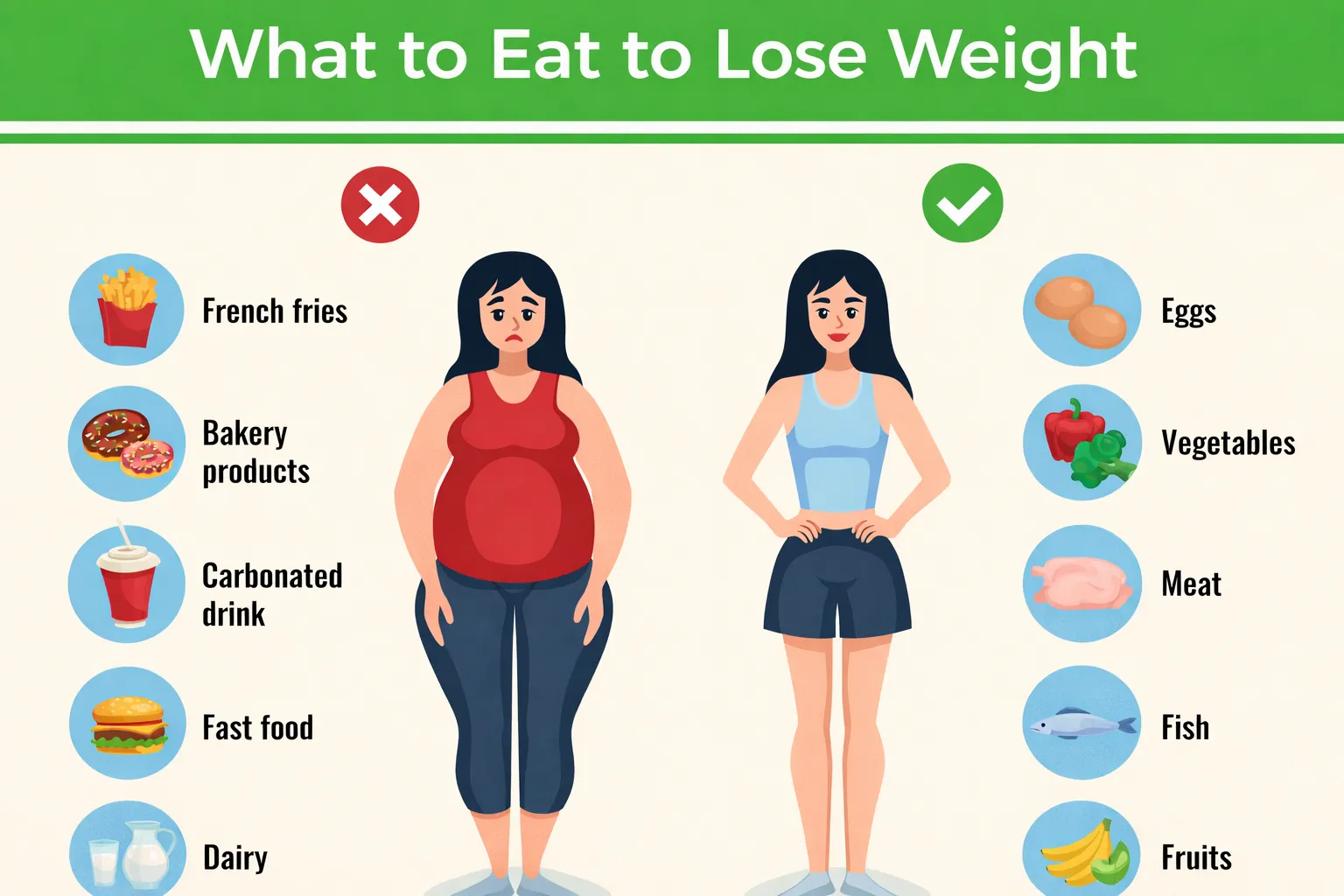
Many people believe that their weight is determined by how fast or slow their metabolism works. You may have heard someone say, “I can’t lose weight because I have a slow metabolism.” But is that really true? Understanding how metabolism functions can help you separate myths from facts—and build a more effective, sustainable approach to weight loss.
What Is Metabolism?
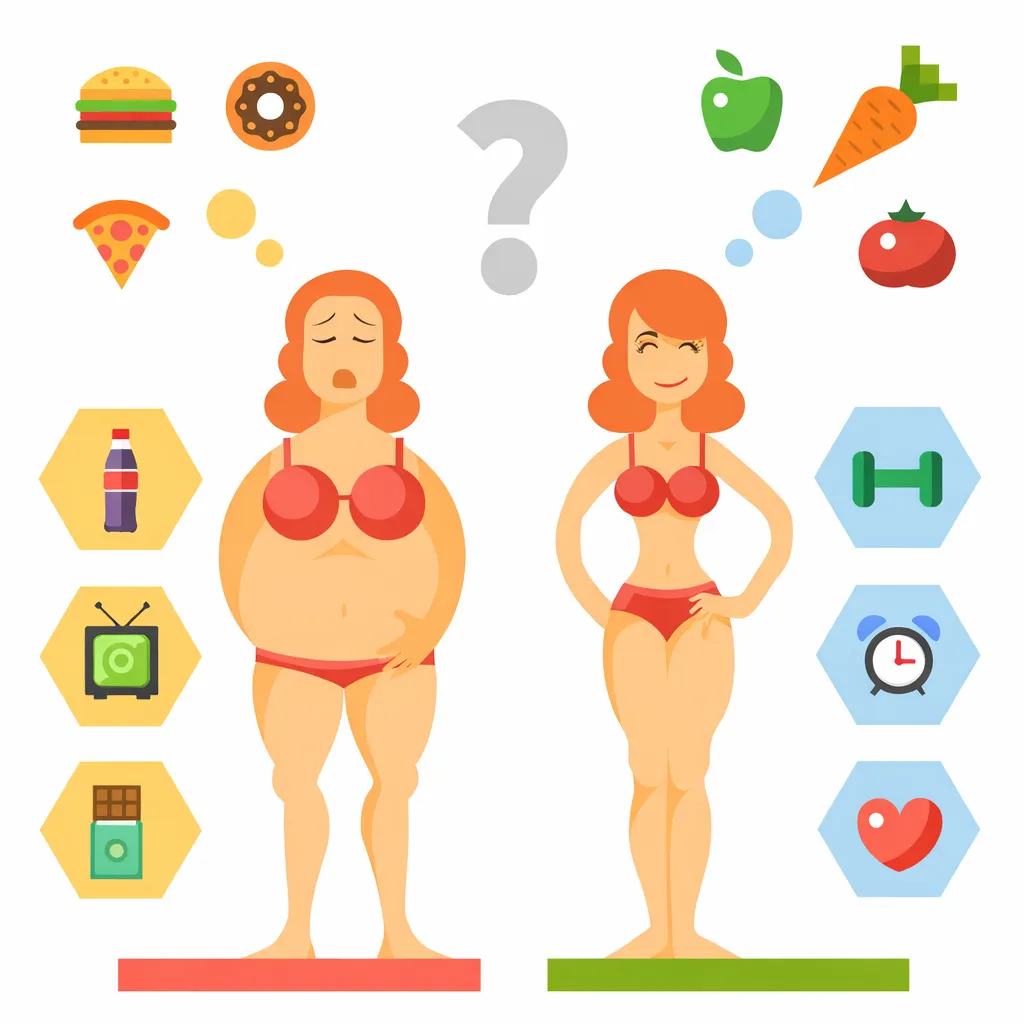
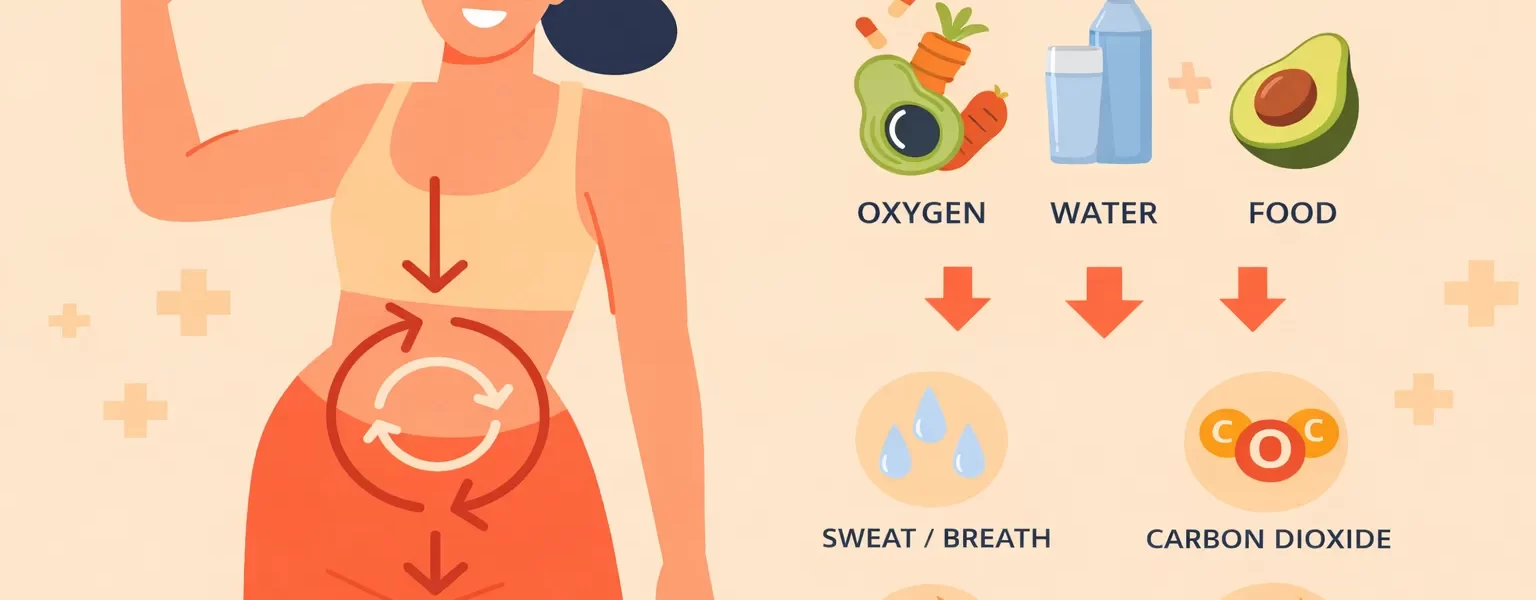
Metabolism refers to the process by which your body converts food and drinks into energy. During this process, calories combine with oxygen to fuel essential bodily functions such as breathing, circulating blood, regulating hormones, and repairing cells.
Even when you’re resting, your body needs energy to stay alive. The number of calories your body burns at rest is called your Basal Metabolic Rate (BMR). This is the foundation of your daily calorie burn.
What Affects Your Metabolic Rate?
Your metabolism is influenced by several key factors:
1. Muscle Mass
Muscle tissue burns more calories than fat—even at rest. People with higher muscle mass tend to have a faster metabolism.
2. Body Size and Composition
Larger bodies or those with more lean mass naturally burn more calories throughout the day.
3. Age
As you get older, muscle mass tends to decrease while body fat increases. This can slow down your metabolism over time.
4. Gender
Men generally have more muscle and less body fat than women, which often leads to a higher metabolic rate.
Beyond Metabolism: What Really Burns Calories?
While BMR accounts for a large portion of your daily energy use, two other factors also play a major role:
1. Thermic Effect of Food (TEF)
Your body uses energy to digest, absorb, and process nutrients. This accounts for about 10% of your daily calorie burn. However, this is not something you can significantly control.
2. Physical Activity
This is the most flexible and controllable factor. It includes both exercise and everyday movements.
A major component of daily calorie burn is Non-Exercise Activity Thermogenesis (NEAT)—the energy used for activities like walking, cleaning, gardening, or even fidgeting. NEAT can burn anywhere from 100 to 800 calories per day, depending on your lifestyle.
Metabolism and Weight Loss: What’s the Truth?
A slow metabolism is rarely the main cause of weight gain. In most cases, weight changes are driven by the balance between calories consumed and calories burned.
- Weight gain occurs when you consume more calories than you burn
- Weight loss occurs when you burn more calories than you consume
While certain medical conditions like hypothyroidism or Cushing’s syndrome can affect metabolism, they are relatively rare.
The key takeaway: Calories matter most when it comes to weight management.
How to Burn More Calories Effectively
Even though you can’t drastically change your BMR, you can significantly increase your daily calorie burn through movement and exercise.
1. Aerobic Exercise
Aim for at least:
- 150 minutes of moderate-intensity cardio per week (like brisk walking or cycling), or
- 75 minutes of high-intensity exercise (like running or aerobic dancing)
For greater benefits, increasing to 300 minutes per week can support weight loss and overall health.
2. Strength Training
Include strength training exercises at least twice a week. Building muscle not only improves strength but also increases your resting metabolic rate over time.
Examples include:
- Weightlifting
- Bodyweight exercises (push-ups, squats)
- Resistance bands or machines
The Role of Daily Movement (NEAT)
You don’t need to spend hours in the gym to burn calories. Small, consistent movements throughout the day can make a big difference.
Try:
- Walking instead of driving short distances
- Taking the stairs
- Doing household chores
- Standing or stretching regularly
These activities may seem minor, but they add up and significantly impact your total calorie expenditure.
Are There Quick Fixes to Boost Metabolism?
Many supplements claim to “boost metabolism” or help you burn fat faster. However, most of these products lack strong scientific evidence and may even cause unwanted side effects.
There is no magic pill for weight loss. Sustainable results come from consistent habits—not shortcuts.
A Practical Approach to Weight Loss
To lose weight safely and effectively, aim for a calorie deficit of about 500–750 calories per day, which can lead to a gradual weight loss of approximately 0.5–0.7 kg per week.
The most effective strategy combines:
- Balanced nutrition
- Regular physical activity
- Adequate sleep
- Stress management
Final Thoughts
Metabolism plays an important role in how your body uses energy, but it’s not the sole factor controlling your weight. Instead of worrying about having a “slow metabolism,” focus on what you can control—your daily habits.