

10 Healthy Eating Habits to Boost Your Body and Prevent Disease
Healthy eating is no longer about strict diets or short-term restrictions. Instead, it’s about building sustainable daily habits that improve energy levels, support digestion, strengthen immunity, and protect long-term health. In 2026, nutrition trends are shifting toward simplicity and practicality, focusing on consistency rather than perfection.
With the rise of lifestyle-related diseases, chronic stress, and busy routines, making mindful food choices has become more important than ever. According to nutrition experts, adopting simple yet effective eating habits can significantly improve overall well-being. Here are 10 healthy eating habits you should start today.
1. Start Your Day with Protein
A healthy breakfast should include more than just coffee or refined carbohydrates. Adding protein in the morning helps you feel full longer, stabilize blood sugar levels, and maintain steady energy throughout the day.
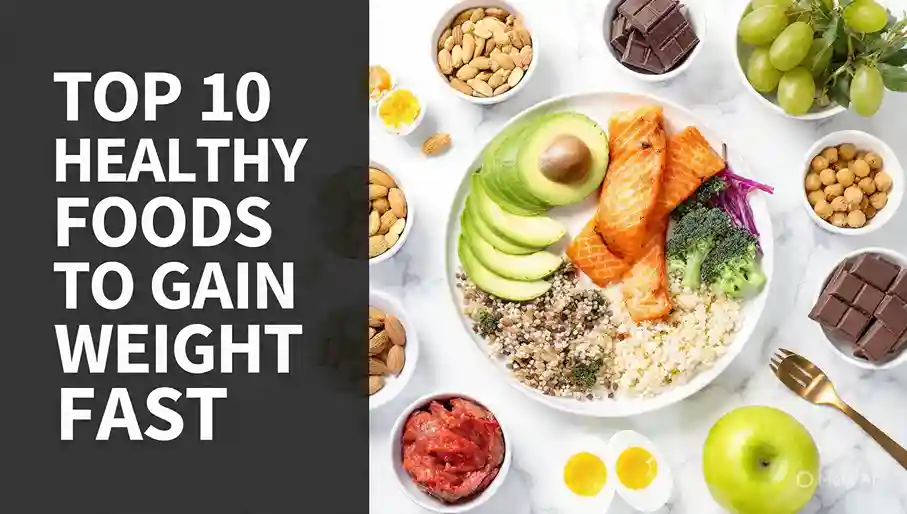
Great options include eggs, Greek yogurt, nuts, seeds, or protein-rich smoothies. A protein-packed breakfast can also reduce cravings later in the day, making it easier to manage your weight.
2. Choose Whole Foods Over Processed Foods
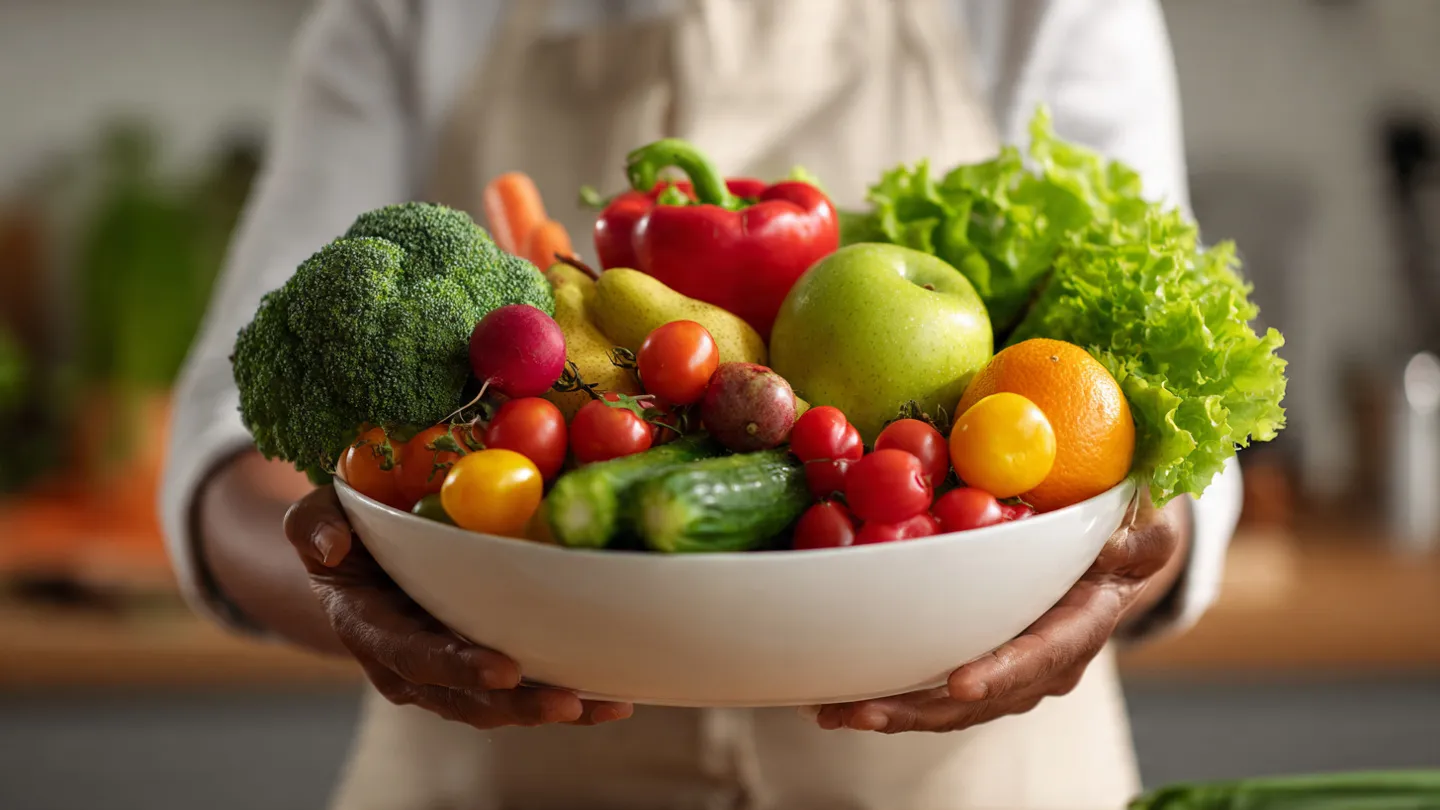
One of the biggest nutrition trends today is prioritizing whole, natural foods. Fresh fruits, vegetables, whole grains, legumes, and nuts are rich in fiber, vitamins, and minerals.
On the other hand, packaged and ultra-processed foods often contain added sugars, unhealthy fats, sodium, and preservatives. Reading food labels and limiting processed foods can make a significant difference in your health.
3. Don’t Skip Meals
Skipping meals, especially for weight loss, can backfire. It may slow down your metabolism, increase hunger, and lead to overeating later.
Instead, aim to eat regular meals to maintain stable energy levels and support digestive health. If you’re busy, opt for small, healthy snacks rather than skipping meals entirely.
4. Increase Your Daily Fiber Intake
Fiber is often lacking in modern diets, yet it plays a crucial role in digestion and overall health. A fiber-rich diet supports gut health, regulates blood sugar, and helps control weight.
Include foods like vegetables, fruits, whole grains, lentils, beans, and seeds in your daily meals to meet your fiber needs.
5. Practice Mindful Eating
Eating while watching TV or using your phone can lead to overeating without realizing it. Mindful eating encourages you to slow down, chew thoroughly, and pay attention to hunger and fullness cues.
This habit helps you control portion sizes, improve digestion, and build a healthier relationship with food.
6. Stay Hydrated
Drinking enough water is a fundamental part of a healthy diet. Many people confuse thirst with hunger, which can lead to unnecessary snacking.
Proper hydration supports digestion, improves skin health, boosts metabolism, and maintains consistent energy levels. Aim for at least 1.5–2 liters of water daily.
7. Include Healthy Fats in Moderation
Not all fats are harmful. Healthy fats are essential for brain function, hormone balance, and heart health.
Sources of good fats include avocados, nuts, seeds, olive oil, and fatty fish like salmon. However, moderation is key—consume healthy fats in appropriate portions to avoid excess calorie intake.
8. Limit Added Sugar, Not Natural Sugar
Added sugars found in soft drinks, desserts, and processed foods can increase the risk of obesity, diabetes, and heart disease.
However, natural sugars in fruits are different because they come with fiber and essential nutrients. Instead of eliminating sugar completely, focus on reducing added sugars while still enjoying whole fruits.
9. Plan Your Meals Ahead
Meal planning is a simple yet powerful habit. Preparing meals in advance helps you avoid unhealthy food choices, saves time, and reduces daily stress.
You don’t need to plan weeks ahead—just organizing meals for the next day or a few days in advance can help you maintain a balanced diet and better portion control.
10. Focus on Consistency, Not Perfection
Healthy eating doesn’t mean being perfect all the time. It’s okay to enjoy your favorite treats occasionally without guilt.
The key is consistency—maintaining healthy habits most of the time will deliver long-term health benefits. A balanced approach is more sustainable and effective than extreme dieting.
Final Thoughts
Building healthy eating habits is one of the most powerful ways to improve your quality of life. These 10 simple habits can help you boost energy, enhance digestion, strengthen your immune system, and reduce the risk of chronic diseases.
Remember, small daily changes can lead to big results over time. Start with one or two habits, stay consistent, and gradually create a sustainable lifestyle that supports your long-term health and well-being.