
Top Superfoods Recommended by Nutrition Experts for a Healthier Life
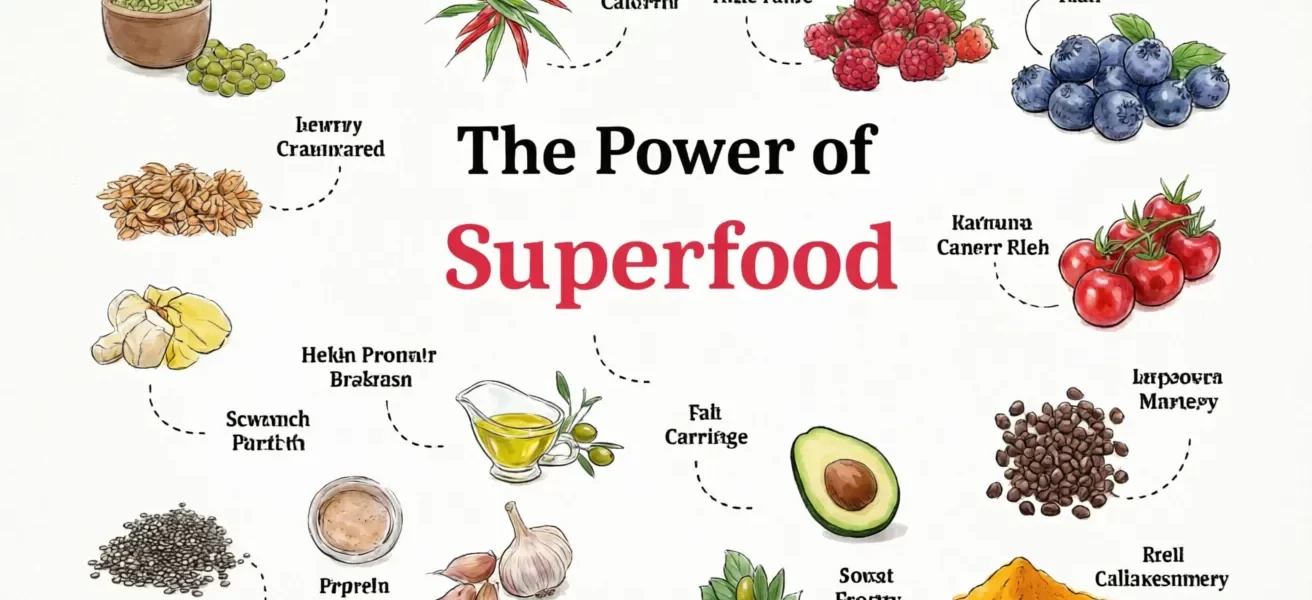
In recent years, the term “superfoods” has become increasingly popular in healthy eating trends. These nutrient-dense foods are known for their exceptional health benefits when consumed properly. Understanding the role of superfoods can help you build a balanced diet and improve your overall well-being. In this article, we’ll explore what superfoods are, their benefits, and how to incorporate them into your daily meals.
What Are Superfoods?
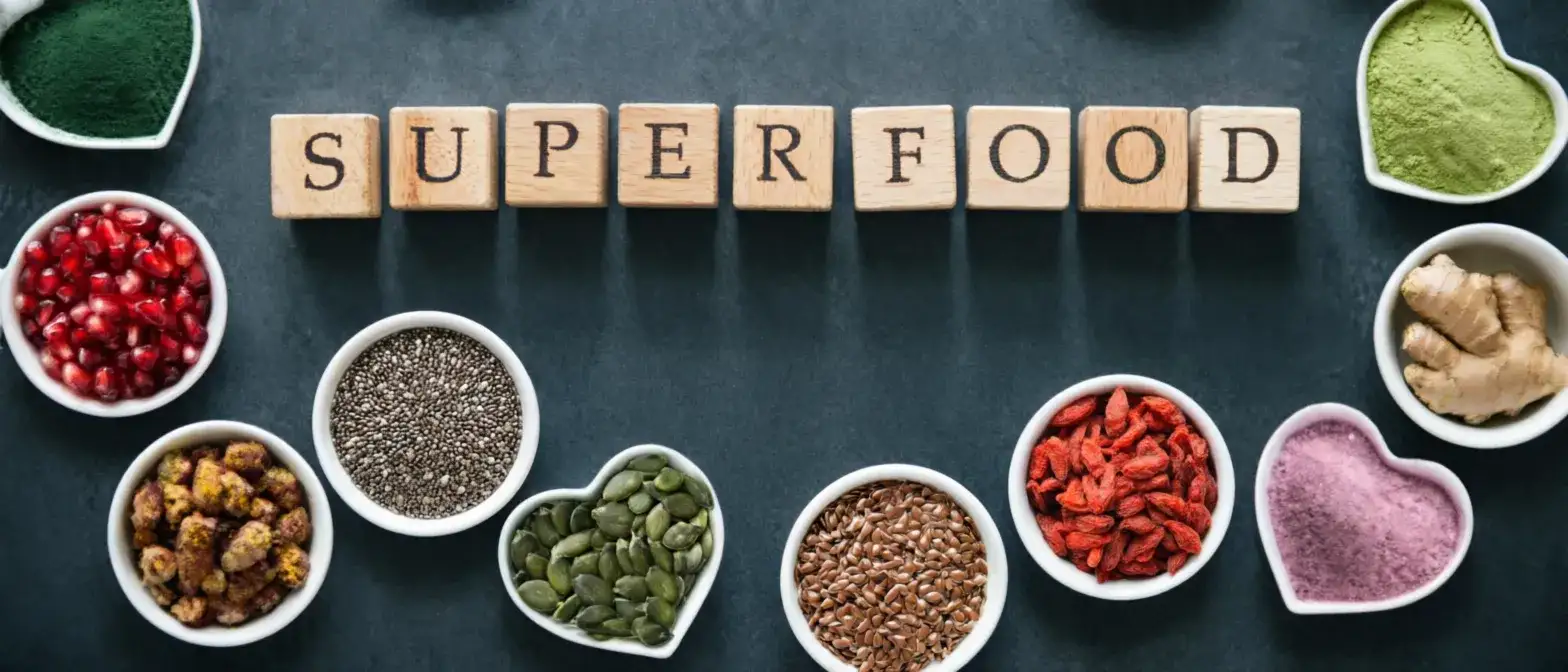
Superfoods are a group of foods rich in essential nutrients such as vitamins, minerals, and powerful antioxidants. These nutrients play a crucial role in maintaining strong bones, repairing damaged tissues, and boosting the immune system.
Antioxidants found in superfoods help neutralize free radicals—harmful molecules that can damage cells, accelerate aging, and increase the risk of chronic diseases. Because of this, superfoods are often associated with disease prevention and longevity.
Health Benefits of Superfoods
Including superfoods in your daily diet can offer a wide range of health benefits:
- Support heart health and improve cardiovascular function
- Reduce the risk of certain types of cancer
- Help control cholesterol levels
- Reduce inflammation in the body
- Strengthen bones and joints
- Boost the immune system
- Lower the risk of respiratory diseases
- Support brain health and reduce the risk of neurodegenerative conditions
How to Add Superfoods to Your Daily Diet
While superfoods are highly nutritious, no single food can provide all the nutrients your body needs. Focusing too much on a few “super” items may cause you to overlook other essential foods.
According to general nutritional guidelines, a healthy diet should include a variety of foods from both plant and animal sources. Eating a colorful range of fruits and vegetables ensures you receive a broad spectrum of vitamins and minerals.
Always read nutrition labels carefully and aim for balance rather than over-reliance on specific foods. Diversity remains the key to optimal health.
Top Superfoods You Should Include in Your Diet
1. Leafy Green Vegetables
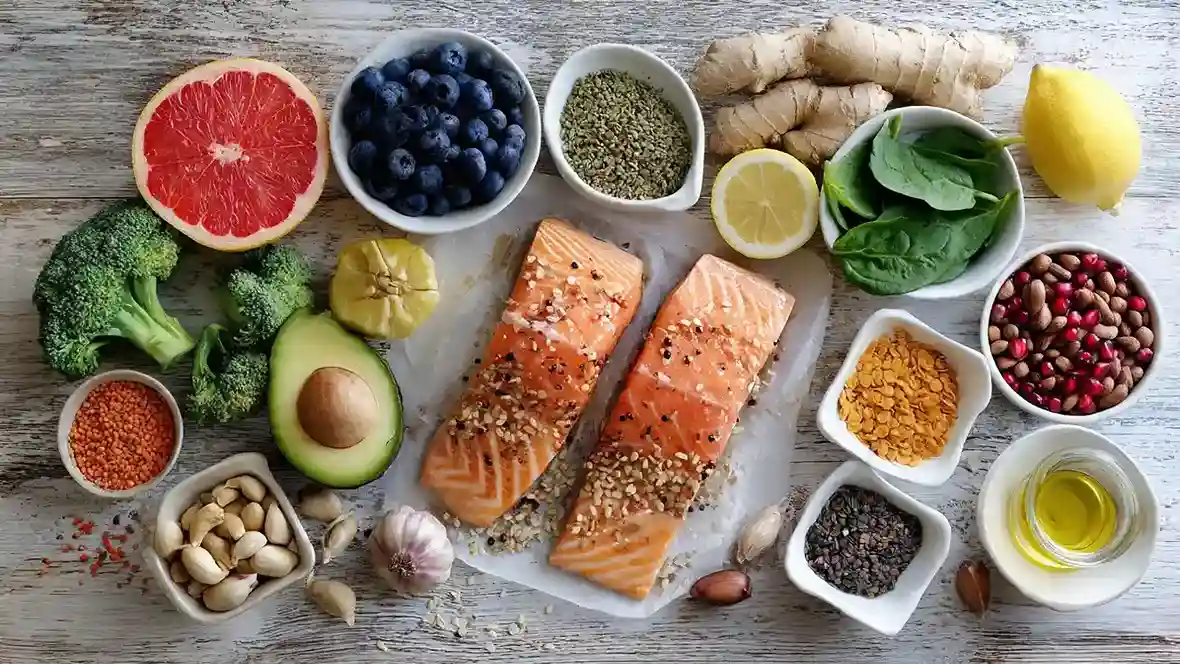
Leafy greens such as spinach, kale, and Swiss chard are packed with vitamins, minerals, and carotenoids. These nutrients support brain function, improve vision, and may slow cognitive decline. Adding just one serving of greens daily can significantly improve your nutrient intake.
2. Legumes
Beans, lentils, and peas are excellent sources of plant-based protein, fiber, and complex carbohydrates. They provide long-lasting energy and support digestive health. Regular consumption of legumes has been linked to increased longevity.
3. Fish
Fish like salmon, tuna, and mackerel are rich in omega-3 fatty acids, iodine, and selenium. These nutrients support thyroid function, improve metabolism, and help regulate appetite. Omega-3s are also known to promote heart and brain health.
4. Yogurt
Yogurt is low in fat and contains probiotics—beneficial bacteria that support gut health. It also provides essential minerals like calcium, magnesium, and potassium, which help regulate blood pressure and strengthen bones. Consuming 1–2 servings daily can improve digestion and overall health.
5. Water
Though often overlooked, water is one of the most essential “superfoods.” Staying hydrated helps regulate body temperature, improve metabolism, reduce appetite, and support digestion. Drinking 1.5–2 liters of water daily is recommended for optimal health.
6. Berries
Berries such as blueberries, strawberries, and raspberries are rich in fiber, vitamins, and antioxidants. They help protect cells from damage, reduce inflammation, and support heart health. Regular consumption can also strengthen the immune system.
7. Nuts
Nuts like almonds, walnuts, and cashews are high in healthy fats, plant protein, and essential nutrients. They help improve cholesterol levels and support heart health. A small handful daily is enough to gain their benefits.
8. Olive Oil
Olive oil is a healthy fat source rich in vitamin E, polyphenols, and monounsaturated fats. It has strong antioxidant properties and supports cardiovascular health. Using olive oil in cooking or salads is a simple way to enhance your diet.
9. Whole Grains
Whole grains such as oats, brown rice, and quinoa provide both soluble and insoluble fiber, along with B vitamins and minerals. They improve digestion, stabilize blood sugar levels, and provide sustained energy throughout the day.
Final Thoughts
Superfoods can play a powerful role in improving your health, boosting immunity, and reducing the risk of chronic diseases. However, the key to a healthy lifestyle lies in balance and variety. Instead of relying on a few specific foods, aim to create a diverse and well-rounded diet.
By understanding and incorporating superfoods wisely, you can build a sustainable nutrition plan that supports long-term health and vitality. Start making small changes today, and your body will thank you in the future.