

What Is Nutrition? The Role of Nutrients in Human Health
Nutrition plays a vital role in maintaining health, supporting growth, and enhancing overall quality of life. But what exactly is nutrition, what nutrients does the body need, and how can you build a balanced diet? This guide will walk you through everything you need to know in a clear, SEO-friendly format.
What Is Nutrition?

Nutrition is a complex biochemical and physiological process through which the body uses food to sustain life and perform essential functions. It includes several stages such as food intake, digestion, absorption, transportation of nutrients, and waste elimination.
Nutrients are substances found in food that the body absorbs and uses for energy, growth, repair, and overall functioning. When the body receives too little or too much of certain nutrients, it leads to nutritional imbalance, which can cause serious health issues over time.
What Nutrients Does the Body Need?
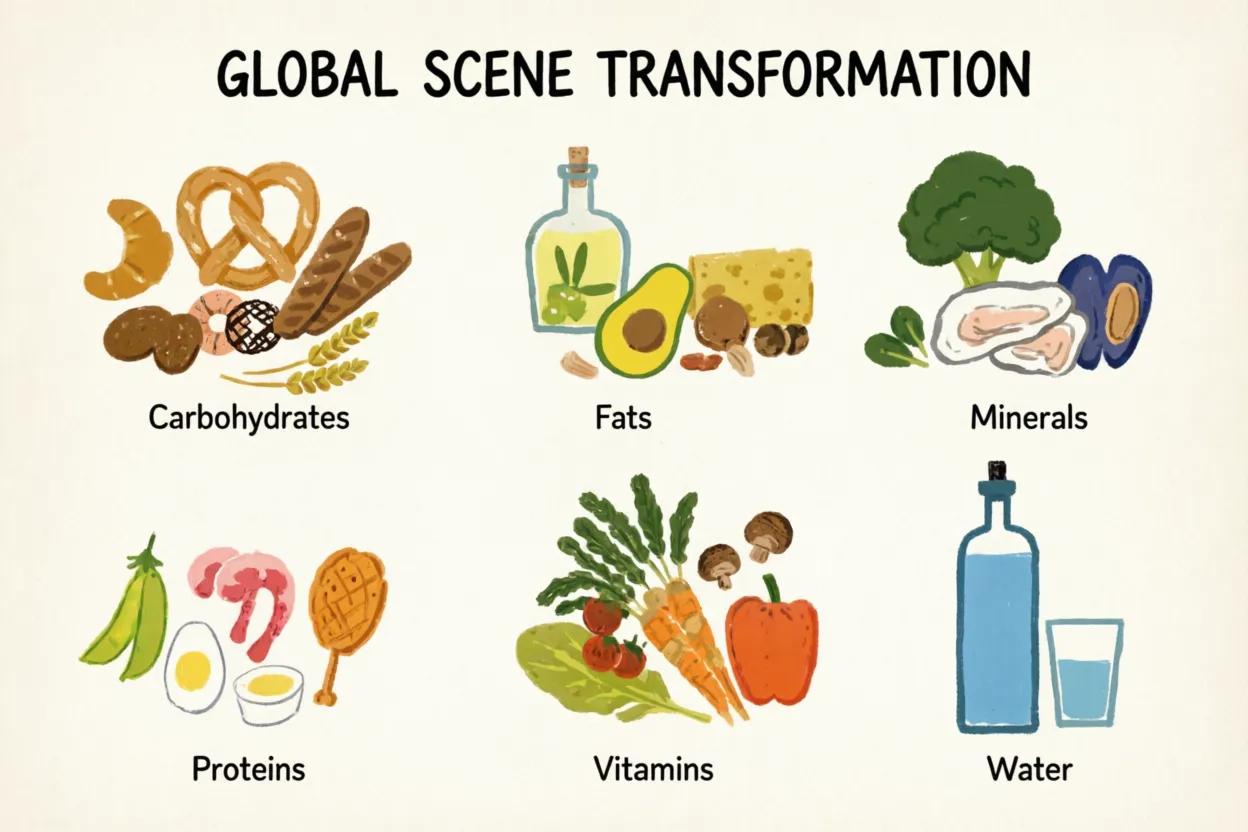
Nutrition is generally divided into three main categories: macronutrients, micronutrients, and water.
1. Macronutrients
Macronutrients are nutrients required in large amounts and provide energy for the body.
Protein
Protein is essential for building and repairing tissues, supporting immune function, and facilitating biochemical reactions. It is found in foods such as meat, fish, eggs, dairy products, beans, nuts, and legumes.
Protein also helps maintain pH balance, supports cell communication, and transports nutrients throughout the body.
Carbohydrates
Carbohydrates are the body’s primary energy source. After digestion, carbs are broken down into glucose, which is used to produce ATP—the energy currency of cells.
A lack of carbohydrates can lead to fatigue and muscle loss, while excessive intake may increase the risk of obesity, diabetes, and metabolic disorders. Healthy sources include whole grains, fruits, vegetables, and legumes.
Fats
Fats serve as an energy reserve, protect organs, and help absorb fat-soluble vitamins such as A, D, and E.
There are two main types:
- Saturated fats: May raise bad cholesterol (LDL) and increase heart disease risk
- Unsaturated fats: Support heart health and improve good cholesterol (HDL)
Healthy fat sources include olive oil, nuts, seeds, fish, and avocados.
2. Micronutrients
Micronutrients include vitamins and minerals required in small amounts but essential for proper body function.
They play a key role in metabolism, immunity, and disease prevention. Common examples include:
- Vitamin A: Supports vision and immune health
- Vitamin B complex: Aids energy production and brain function
- Vitamin C: Boosts immunity and skin health
- Vitamin D: Helps calcium absorption and bone strength
- Calcium: Essential for bones and teeth
- Iron: Supports oxygen transport in blood
- Zinc & Magnesium: Important for immune and metabolic functions
Deficiency in micronutrients can lead to serious health conditions such as anemia, weakened immunity, or bone disorders.
3. Water – The Essential Nutrient
Water is often overlooked but is one of the most important components of nutrition. It supports digestion, regulates body temperature, transports nutrients, and removes waste.
Daily water needs vary by age and activity level, but generally range from 30–40 ml per kilogram of body weight. Staying hydrated is crucial—even before you feel thirsty.
Nutritional Needs Across Life Stages
Nutritional requirements change throughout life depending on age, physical condition, and activity level.
- Infants and children: Require proper nutrition for growth and development, including breastfeeding in early stages
- Teenagers: Need higher energy and nutrient intake due to rapid growth
- Adults: Should maintain a balanced diet to support long-term health
- Pregnant and breastfeeding women: Require additional nutrients like iron, calcium, folate, and DHA
- Middle-aged adults: Need to focus on preventing aging-related diseases
- Older adults: Require fewer calories but more essential nutrients like calcium, vitamin D, and protein
Adjusting diet according to life stage is key to maintaining optimal health.
The Importance of Nutrition for Health
A well-balanced diet provides energy, supports organ function, and helps the body grow and repair itself. More importantly, proper nutrition plays a major role in preventing chronic diseases such as:
- Obesity
- Diabetes
- Cardiovascular diseases
- Digestive disorders
- Certain cancers
Unhealthy eating habits—such as consuming too much fast food, sugar, salt, or processed foods—can significantly increase health risks. On the other hand, a diverse and balanced diet helps strengthen the immune system and improve overall well-being.
How to Build a Balanced and Healthy Diet
Creating a balanced diet is essential for long-term health. Here are some practical tips:
- Ensure proper macronutrient distribution:
- Carbohydrates: 60–70%
- Protein: 12–14%
- Fat: 18–20%
- Balance plant-based and animal-based protein sources
- Choose healthy fats from plant sources
- Include a variety of foods to meet micronutrient needs
- Eat slowly and chew thoroughly
- Divide meals into smaller portions throughout the day
- Drink enough water daily
Most importantly, consider consulting a nutritionist to tailor your diet to your individual needs.
Conclusion
Nutrition is the foundation of a healthy life. Understanding what nutrients your body needs and maintaining a balanced diet can help you prevent diseases, boost energy, and improve overall quality of life. By making mindful food choices and staying consistent, you can build a sustainable and healthy lifestyle for the long term.