
- Homepage
- Daily Habits
- Macronutrients Explained: A Simple Guide to Protein, Carbohydrates, and Fats
Macronutrients Explained: A Simple Guide to Protein, Carbohydrates, and Fats
 Leo Thompson
Posted on
Leo Thompson
Posted on Table of Contents
ToggleMacronutrients Explained: A Simple Guide to Protein, Carbohydrates, and Fats
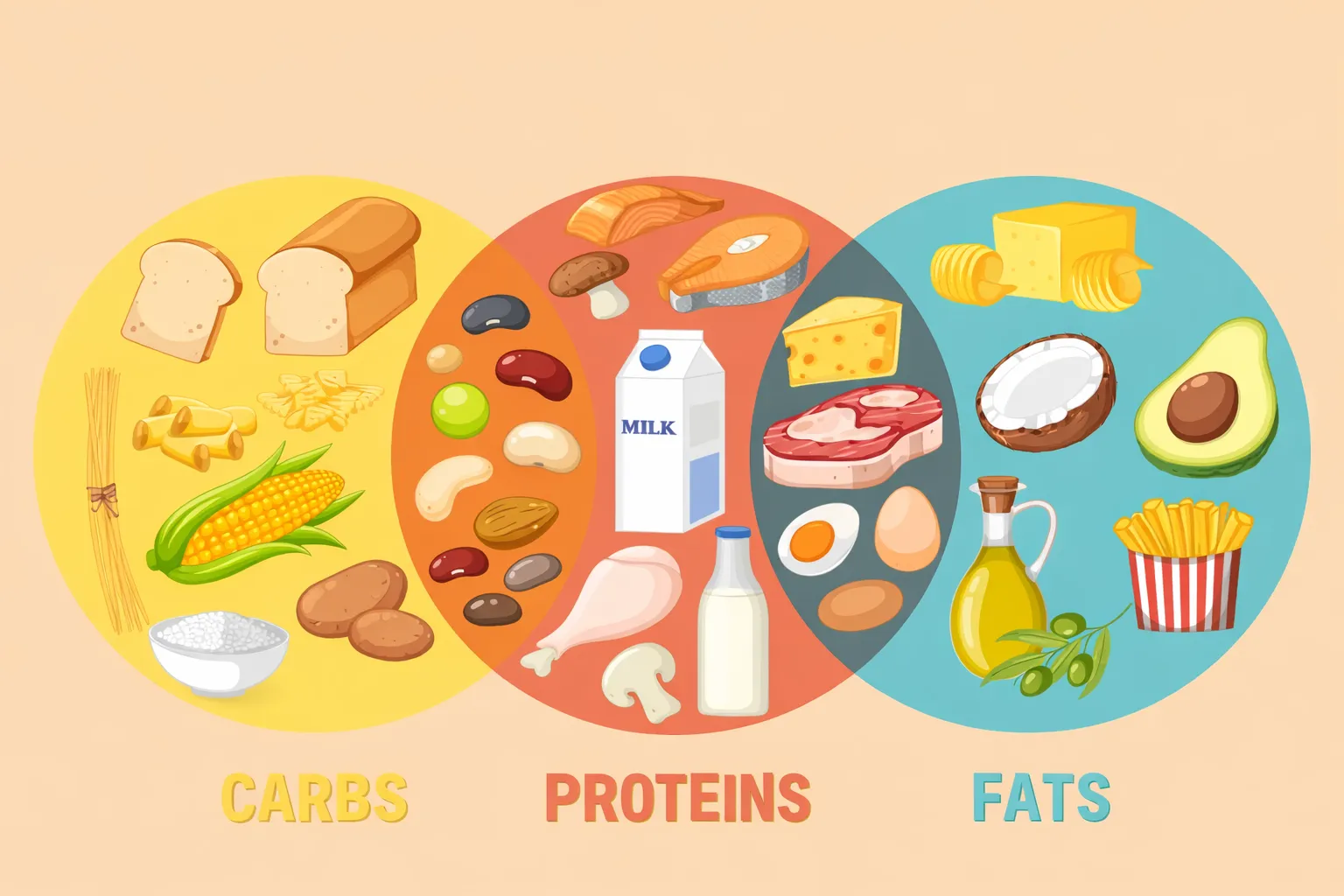
Understanding nutrition doesn’t have to be complicated. At the core of every healthy diet are three essential macronutrients: protein, carbohydrates, and fats. These nutrients are required in large amounts because they provide energy, support vital body functions, and help maintain overall health. Once you understand how they work, you can make smarter food choices without labeling foods as simply “good” or “bad.”
What Are Macronutrients?
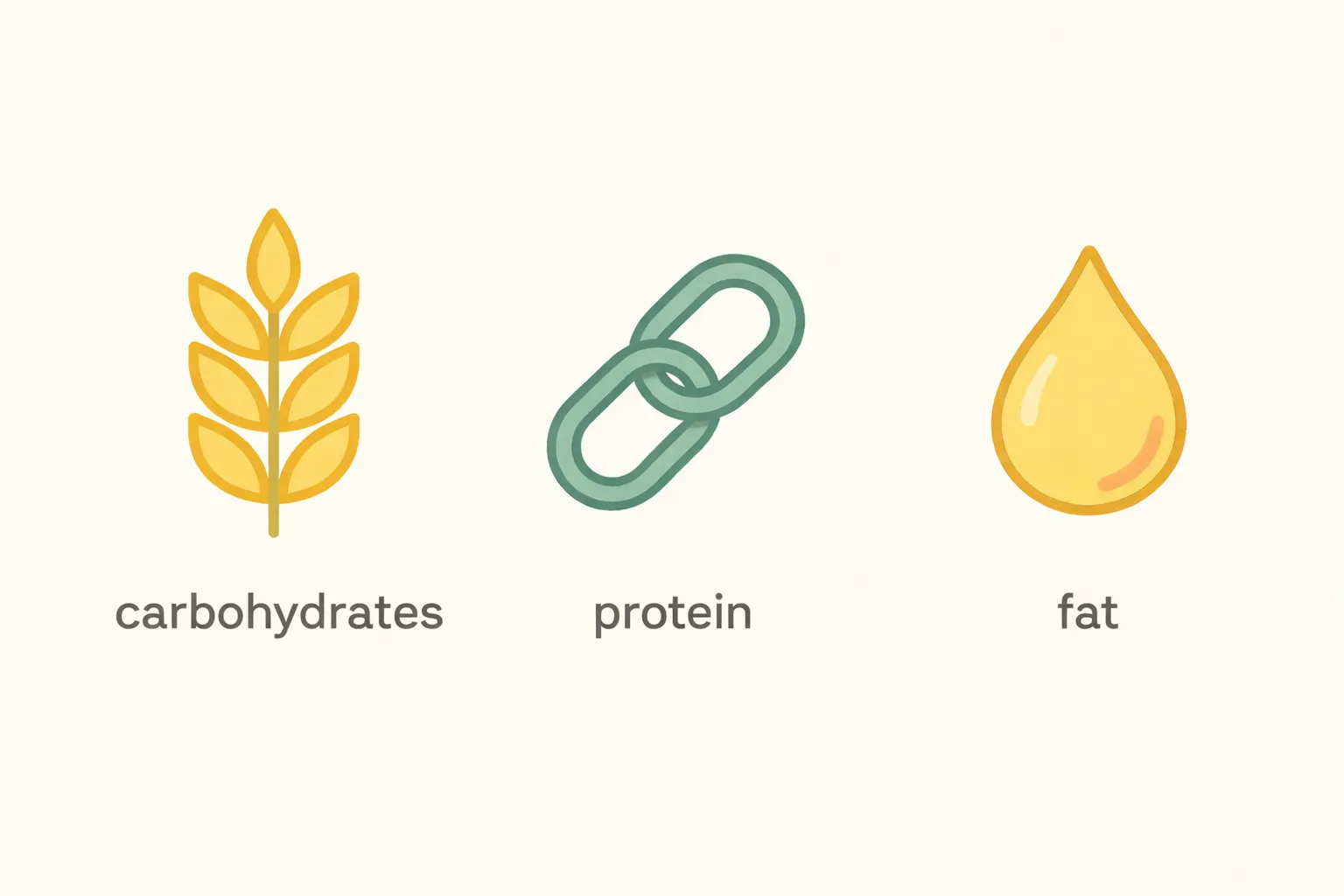
Macronutrients are nutrients your body needs in gram quantities. Unlike vitamins and minerals (micronutrients), macronutrients provide calories—the energy your body uses to function daily.
Each macronutrient delivers a different amount of energy:
- Protein: 4 calories per gram
- Carbohydrates: 4 calories per gram
- Fats: 9 calories per gram
Although fats contain more calories, this doesn’t make them unhealthy—it simply reflects their role as a dense energy source.
Protein: Building and Repairing the Body
Protein is made up of amino acids, often called the building blocks of life. Every cell in your body contains protein, making it essential for growth and repair.
Key Benefits of Protein
- Builds and repairs muscle tissue
- Produces enzymes and hormones
- Supports immune function
- Maintains healthy skin, hair, and nails
- Helps regulate fluid balance
Protein is especially important after exercise, during growth phases, or when recovering from illness or injury.
Healthy Protein Sources
- Lean meats and poultry
- Fish and seafood
- Eggs and dairy products
- Beans, lentils, and legumes
- Tofu, tempeh, nuts, and seeds
Both animal and plant-based proteins can support your health when consumed in a balanced way.
Carbohydrates: Your Body’s Main Energy Source
Carbohydrates are often misunderstood, but they are actually your body’s preferred fuel source. When you eat carbs, they are broken down into glucose, which powers your brain, muscles, and nervous system.
Types of Carbohydrates
- Simple carbohydrates: Quickly digested sugars
- Complex carbohydrates: Slowly digested starches and fiber
Fiber, a type of carbohydrate, plays a crucial role in digestion, heart health, and blood sugar control.
Healthy Carbohydrate Sources
- Whole grains (brown rice, oats, quinoa)
- Fruits and vegetables
- Legumes and beans
- Root vegetables like potatoes and sweet potatoes
Carbohydrates are not inherently harmful. The key is choosing high-quality, minimally processed sources.
Fats: Essential for Hormones and Long-Term Energy
Dietary fat is vital for survival and plays a central role in long-term health. It supports many critical processes in the body.
Key Benefits of Fats
- Supports hormone production
- Protects vital organs
- Helps absorb vitamins A, D, E, and K
- Maintains cell structure
- Provides long-lasting energy
Types of Fats
- Unsaturated fats: Found in plant oils, nuts, seeds, and fish (healthy fats)
- Saturated fats: Found in animal products and some oils
- Trans fats: Artificial fats that should be minimized
The quality of fat you consume matters more than the total amount.
How Macronutrients Work Together
Macronutrients don’t work in isolation. Most meals contain a combination of protein, carbs, and fats—and this balance affects how your body digests food and maintains energy.
For example:
- Adding protein and fat to carbs slows digestion
- Balanced meals improve satiety (feeling full)
- Combining all three helps stabilize blood sugar levels
Instead of restricting one nutrient, focusing on balance leads to better long-term health outcomes.
Do You Need to Track Macros?
Tracking macronutrients (often called “counting macros”) can be helpful for:
- Athletes and fitness performance
- Body composition goals
- Specific medical nutrition plans
However, most people benefit simply from understanding the role of each macronutrient:
- Protein supports muscle and recovery
- Carbohydrates provide energy
- Fats regulate hormones and nutrient absorption
Awareness is often more important than strict tracking.
How Much of Each Macronutrient Do You Need?
There is no one-size-fits-all ratio. Your needs depend on factors like age, activity level, health status, and personal goals.
General guidelines suggest:
- 45–65% of calories from carbohydrates
- 10–35% from protein
- 20–35% from fats
These ranges are flexible and can be adjusted to fit your lifestyle.
Common Macronutrient Myths
Myth 1: Carbs cause weight gain
Weight gain depends on total calorie intake—not just carbs.
Myth 2: Fat makes you fat
Dietary fat doesn’t automatically turn into body fat. Excess calories do.
Myth 3: More protein is always better
While protein is important, excessive intake isn’t necessary for most people.
A balanced approach is more sustainable than extreme restriction.
Final Thoughts
Protein, carbohydrates, and fats are not enemies—they are partners working together to keep your body functioning at its best. By understanding their roles, you can build balanced meals, maintain steady energy levels, and support long-term health.
Nutrition becomes much simpler when you shift your focus from fear to function. Instead of eliminating foods, aim for balance—and let your diet work with your body, not against it.
You Might Also Like