
How to Build Balanced Habits to Boost Work Productivity
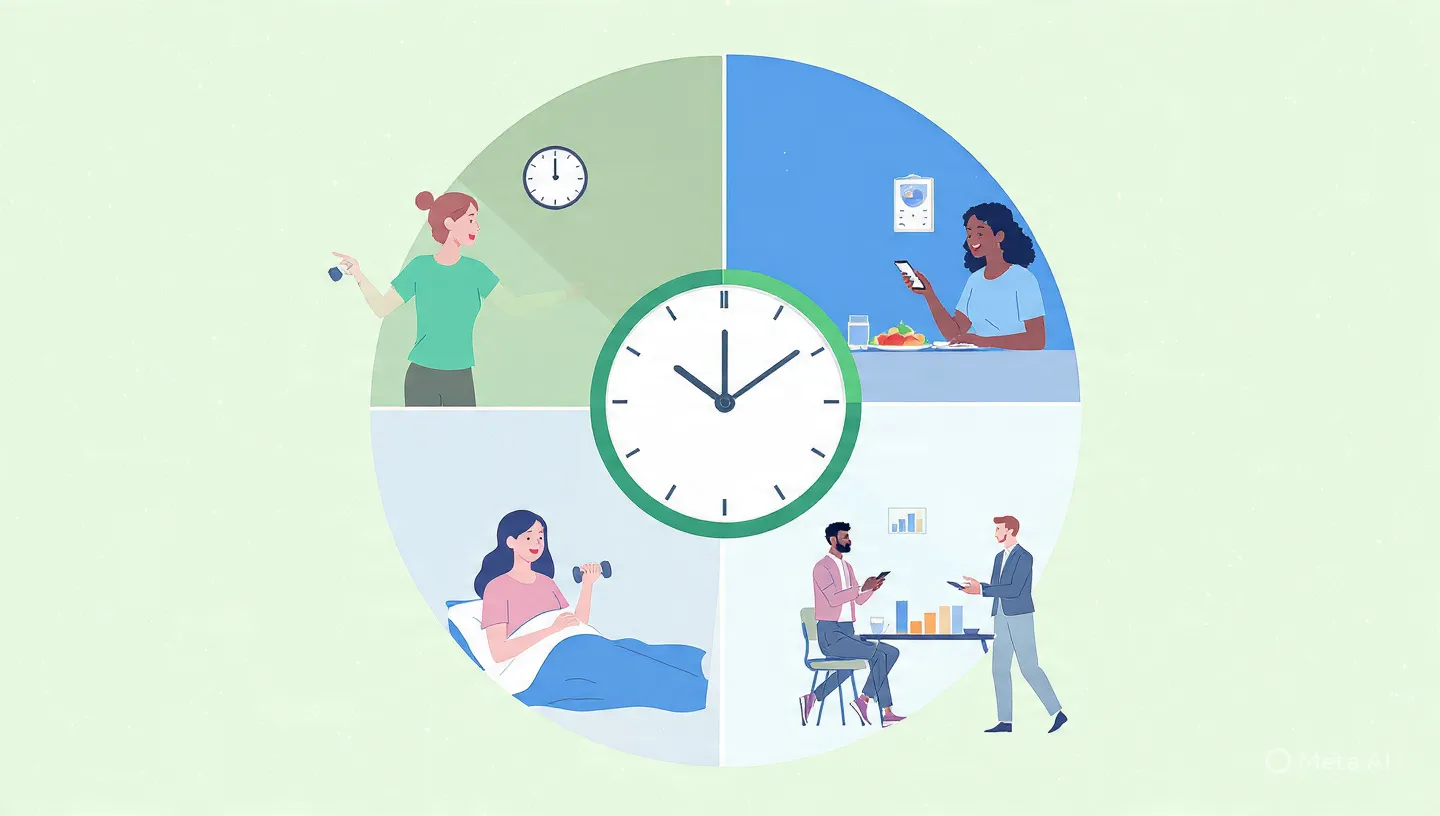
In today’s fast-paced world, many people chase productivity by working longer hours or pushing themselves harder. However, sustainable performance doesn’t come from overworking—it comes from balance.
If you want to improve your work efficiency in 2026 and beyond, the key lies in building healthy, consistent habits that support both your physical and mental well-being.
Why Balance Is the Key to Productivity
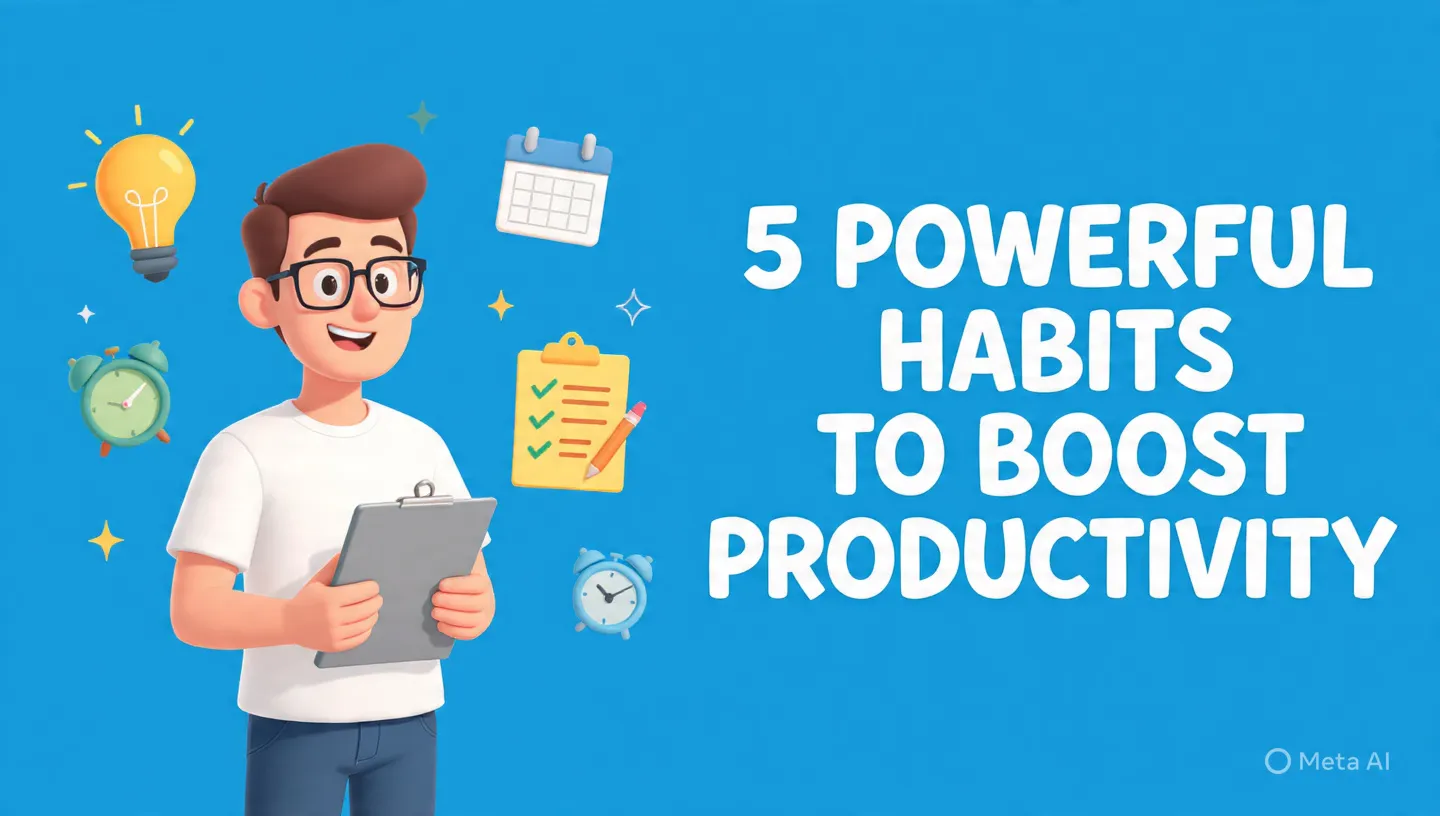
True productivity is not just about how much you get done—it’s about how well you maintain your energy over time. Sustainable performance depends on managing core factors such as:
- Sleep
- Nutrition
- Physical activity
- Focused work
- Rest and recovery
When even one of these elements is neglected, your productivity will gradually decline. You may notice reduced concentration, low motivation, or difficulty making decisions.
Start with the Basics: Sleep, Nutrition, and Movement
Healthy habits don’t begin with complex to-do lists or ambitious goals. They start with the fundamentals your body and brain need to function properly.
1. Prioritize Sleep
Sleep is essential for recovery and mental clarity. Lack of sleep can lead to poor focus, irritability, and reduced cognitive performance. Aim for consistent sleep and wake times every day.
2. Maintain Proper Nutrition
Instead of eating only when you feel hungry, establish regular meal times. Balanced meals provide steady energy and prevent burnout during the day.
3. Stay Physically Active
Daily movement—even light exercise for 10–15 minutes—can boost your mood, improve focus, and increase overall energy levels.
Stop Relying on Mood or Motivation
One of the biggest mistakes high achievers make is letting their feelings dictate their habits. For example:
- “I’ll eat when I’m hungry.”
- “I’ll rest when I’m exhausted.”
The problem is that by the time you feel these signals, your energy is already depleted.
Instead, build structured routines:
- Eat at consistent times
- Sleep on a fixed schedule
- Plan daily exercise
Healthy habits should guide your life—not your temporary emotions.
Time-Block Your Life, Not Just Your Work
Most people schedule meetings and deadlines, but forget to schedule the essentials that keep them functioning.
A balanced lifestyle includes time blocks for:
- Meals
- Exercise
- Deep work sessions
- Breaks
- End-of-day shutdown
Highly productive individuals don’t work endlessly. They work within defined hours and stop intentionally to recharge.
Make Time for Joy and Recovery
Relaxation is often treated as optional, but it’s actually essential for maintaining productivity.
Doing things you enjoy—like reading, sports, or creative hobbies—helps:
- Reduce stress
- Restore mental energy
- Improve motivation
In fact, if your work aligns with your passion, it can also become a positive source of energy rather than a burden.
Work Smart, Not Maximum Hours
Many people believe that working longer hours equals higher productivity. In reality, this approach often leads to burnout.
Over time, excessive work can cause:
- Fatigue
- Irritability
- Brain fog
- Reduced focus
Instead of maximizing hours, aim to optimize them.
Set Clear Work Boundaries
Decide how many hours you will work each day and stick to it. Stop working not because everything is done, but because your body and mind need recovery.
This approach ensures that you can return the next day refreshed and ready to perform at your best.
Build a Sustainable Daily Routine
To create long-term productivity, focus on consistency rather than intensity. A balanced routine might include:
- Fixed wake-up and sleep schedule
- Regular meals
- Short daily exercise
- Focused work blocks
- Planned breaks
- Time for relaxation
Small, consistent actions will always outperform short bursts of extreme effort.
Signs You Need More Balance
If you experience any of the following, it may be time to reset your habits:
- Difficulty concentrating
- Low or unstable motivation
- Increased stress levels
- Poor decision-making
- Constant fatigue
These are signals that one or more foundational habits are being neglected.
Final Thoughts
Improving productivity isn’t about doing more—it’s about doing better with the energy you have.
By building balanced habits around sleep, nutrition, movement, focused work, and rest, you create a system that supports long-term success.
Remember:
You don’t need to work harder—you need to live smarter.
Start with the basics, stay consistent, and your productivity will naturally improve over time.