
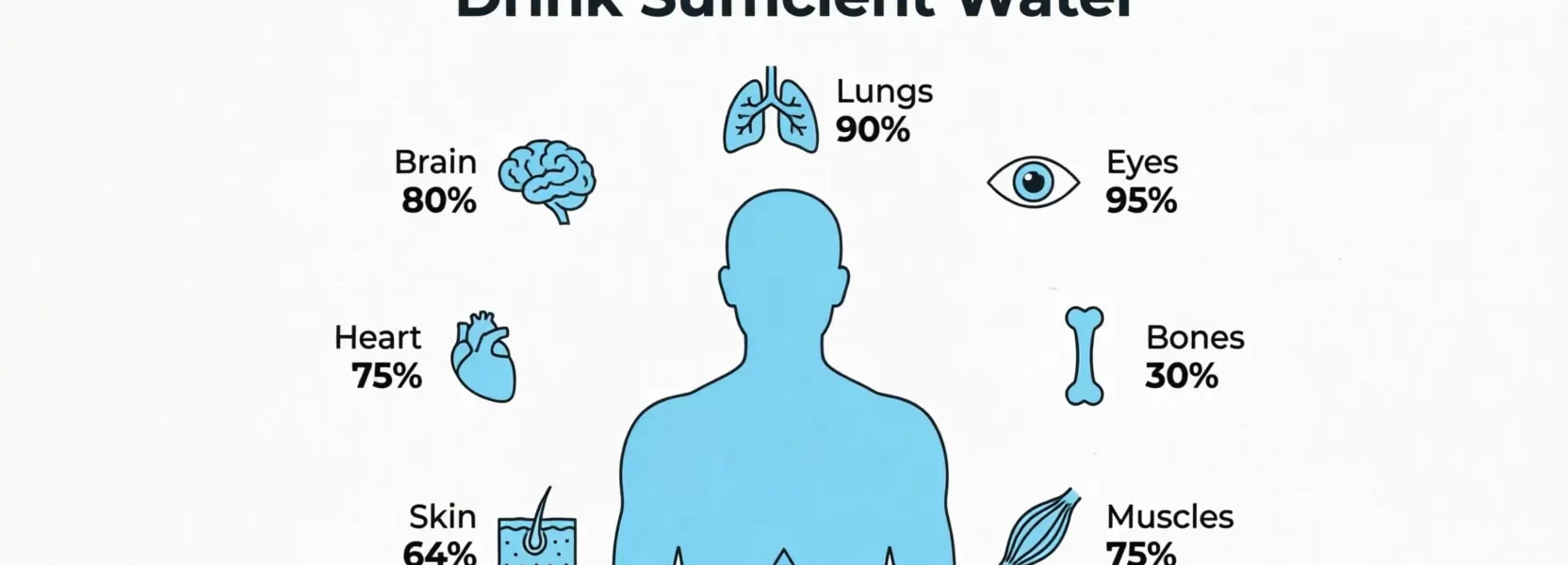

The Benefits of Drinking Enough Water for Your Health

Water is essential for life. In fact, the human body is made up of a large percentage of water, and you can only survive for about a week without it. But beyond basic survival, staying properly hydrated offers a wide range of health benefits—from improving digestion to boosting brain function and supporting heart health.
In this article, we’ll explore the key benefits of drinking enough water, how it affects your body, and how much you should drink daily.
Why Is Hydration So Important?
Every cell, tissue, and organ in your body depends on water to function properly. Water helps regulate body temperature, transport nutrients, remove waste, and maintain overall balance.
When you don’t drink enough water, your body can quickly become dehydrated—leading to fatigue, headaches, and reduced performance both physically and mentally.
1. Supports Digestive Health and Prevents Constipation
One of the most common signs of dehydration is constipation. Without enough water, your digestive system struggles to move waste efficiently through your intestines.
Drinking water regularly helps soften stool and promotes healthy bowel movements. Combined with physical activity and a balanced diet, proper hydration can significantly improve digestive health.
2. Keeps Your Joints Healthy
Did you know that your joints rely heavily on water? Cartilage, which cushions your joints, contains a large amount of water.
Staying hydrated helps:
- Reduce friction between bones
- Improve flexibility and movement
- Lower the risk of joint pain and conditions like gout
Water also helps flush toxins from the body, which may contribute to inflammation.
3. Helps Regulate Body Temperature Through Sweating
Sweating is your body’s natural cooling system. When you exercise or are exposed to heat, your body releases sweat, which evaporates and lowers your body temperature.
To support this process, you should drink water:
- Before exercise
- During physical activity
- After sweating
Proper hydration ensures your body can cool itself efficiently and avoid overheating.
4. Prevents Dehydration and Its Symptoms
Dehydration occurs when your body loses more fluids than it takes in. This can lead to symptoms such as:
- Thirst
- Dry mouth
- Dizziness
- Confusion
- Reduced urination
In hot weather or during intense exercise, you also lose essential electrolytes like sodium and potassium, making hydration even more critical.
5. Supports Kidney Function
Your kidneys play a vital role in filtering waste and toxins from your blood. Water helps your kidneys flush out these substances through urine.
Without enough water, waste products can build up and increase the risk of:
- Kidney stones
- Urinary tract infections
- Kidney dysfunction
Drinking enough water keeps your kidneys functioning efficiently and supports overall detoxification.
6. Improves Brain Function and Focus
Even mild dehydration can affect your brain. You may experience:
- Difficulty concentrating
- Poor memory
- Slower thinking
Staying hydrated helps maintain mental clarity, focus, and overall cognitive performance throughout the day.
7. Enhances Physical Performance
For athletes and active individuals, hydration is key to performance. Even slight dehydration can lead to fatigue and reduced endurance.
Proper hydration helps:
- Maintain energy levels
- Support muscle function
- Regulate body temperature
- Improve overall athletic performance
Replacing fluids lost through sweat is essential for optimal results.
8. Aids in Weight Management
Drinking water can support weight loss and healthy eating habits. People who drink more water often consume fewer calories, sugar, and unhealthy fats.
Water helps by:
- Increasing feelings of fullness
- Boosting metabolism
- Replacing high-calorie beverages
Simply adding 2–3 extra glasses of water per day can make a noticeable difference.
9. Promotes Heart Health
Your heart works more efficiently when your body is well-hydrated. Dehydration can reduce blood volume, making your heart work harder to pump blood.
Drinking enough water helps:
- Maintain healthy blood pressure
- Improve circulation
- Support cardiovascular health
Even mild dehydration can negatively affect your blood vessels and heart function.
10. Reduces the Risk of Fainting
Low hydration levels can cause a drop in blood pressure, leading to dizziness or fainting—especially in hot weather or after physical activity.
Staying hydrated helps your nervous system regulate blood pressure more effectively, reducing the risk of sudden fainting episodes.
How Much Water Should You Drink Daily?
A general guideline is:
- Men: About 15 cups (3.7 liters) per day
- Women: About 11 cups (2.7 liters) per day
Keep in mind that 20–30% of your daily water intake comes from food, especially fruits and vegetables. Your needs may increase if you are sick, exercising, or exposed to hot weather.
Can You Drink Too Much Water?
Yes, overhydration is possible. Drinking excessive amounts of water can dilute sodium levels in your blood, leading to a condition called hyponatremia.
To stay balanced:
- Drink when you feel thirsty
- Aim for pale yellow urine as a hydration indicator
- Avoid excessive fluid intake in a short time
Final Thoughts
Drinking enough water is one of the simplest yet most powerful habits for maintaining good health. From improving digestion and brain function to supporting your heart and kidneys, hydration plays a vital role in every aspect of your well-being.
Start today by making water a priority. Carry a water bottle, set reminders, and build the habit gradually. Your body will thank you with better energy, focus, and overall health.