

Healthy Eating: A Complete Beginner’s Guide to Better Nutrition
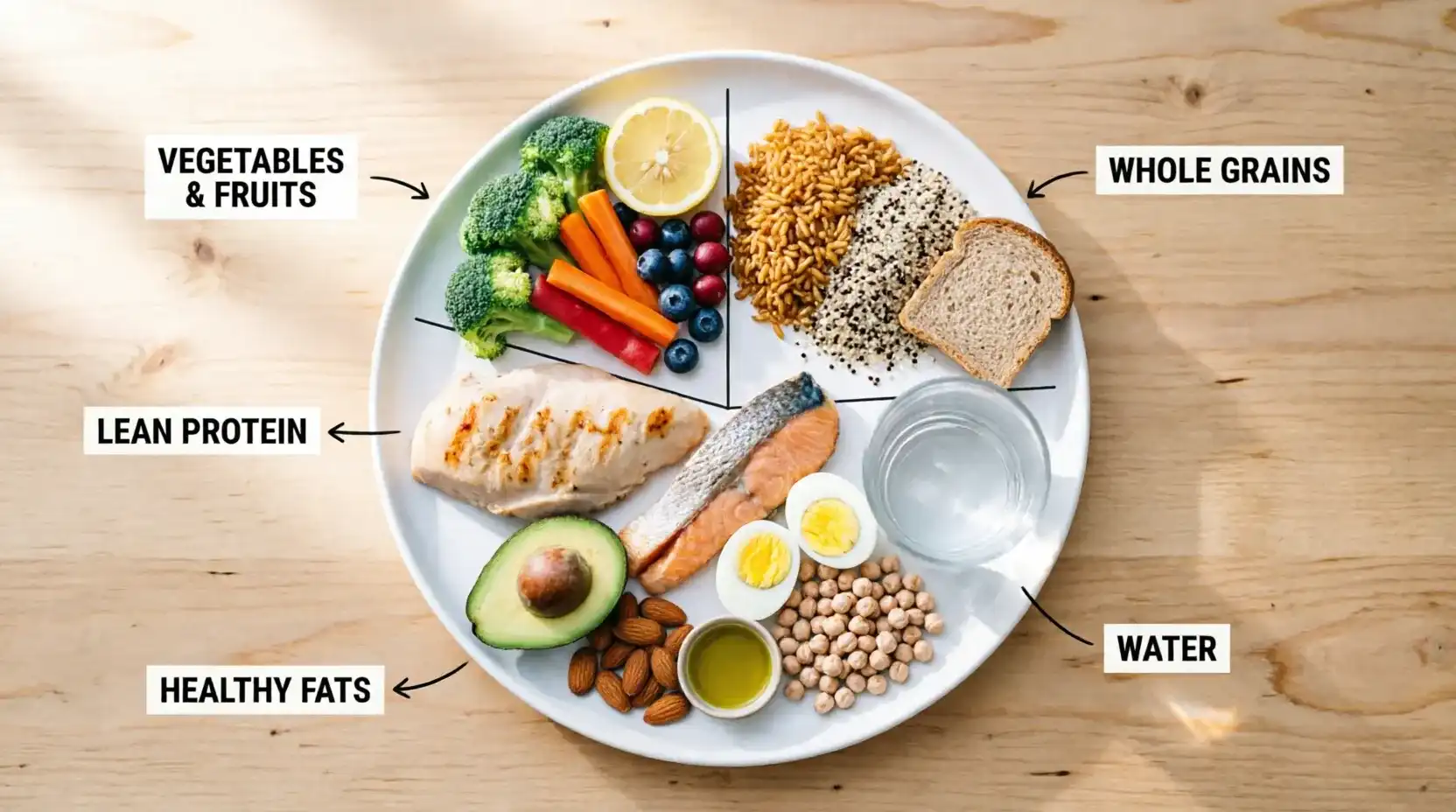
With countless diet trends and nutrition advice circulating online, it’s easy to feel confused about what “healthy eating” really means. Many popular diets focus on restrictions or quick results, often overlooking the most important fundamentals of nutrition. The truth is, healthy eating doesn’t have to be complicated. This beginner-friendly guide will help you understand the basics and build a sustainable, balanced diet.
Why Healthy Eating Matters

The food you consume has a direct impact on your overall health, energy levels, and quality of life. A well-balanced diet can significantly reduce the risk of chronic conditions such as heart disease, metabolic disorders, and even certain cancers.
Healthy eating also supports brain function, improves mood, and enhances physical performance. Whether you’re an athlete or simply looking to feel better every day, proper nutrition plays a crucial role in how your body functions.
Calories also matter when it comes to maintaining or changing your weight. If you consume more calories than your body burns, the excess is stored as fat. On the other hand, consuming fewer calories than you burn can lead to weight loss. Understanding this balance is key to achieving your health goals.
Understanding Macronutrients
Macronutrients are nutrients your body needs in large amounts: carbohydrates, protein, and fats. Each plays a unique role in supporting your body.
- Carbohydrates (4 calories per gram): Found in foods like bread, rice, pasta, fruits, and legumes. They are your body’s primary source of energy.
- Protein (4 calories per gram): Found in meat, fish, eggs, dairy, and plant-based sources like beans and tofu. Protein supports muscle growth and repair.
- Fats (9 calories per gram): Found in nuts, oils, butter, and fatty fish. Healthy fats are essential for hormone production and brain function.
The ideal balance of these nutrients depends on your lifestyle, goals, and personal preferences.
The Role of Micronutrients
Micronutrients include vitamins and minerals that your body needs in smaller amounts but are just as essential.
- Magnesium: Supports energy production and muscle function
- Potassium: Helps regulate blood pressure and fluid balance
- Iron: Essential for oxygen transport in the blood
- Calcium: Crucial for strong bones, teeth, and muscle function
Since your body cannot produce these nutrients on its own, you must get them from your diet. Eating a variety of whole foods ensures you meet your daily nutritional needs.
Focus on Whole Foods
One of the simplest ways to improve your diet is to prioritize whole, minimally processed foods. Aim for 80–90% of your daily intake to come from natural sources.
Whole foods are nutrient-dense, meaning they provide more vitamins and minerals with fewer calories. In contrast, processed foods often contain added sugars, unhealthy fats, and “empty calories” with little nutritional value.
If a product looks highly processed or contains a long list of artificial ingredients, it’s best to limit its consumption.
Healthy Foods to Include in Your Diet
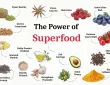
Building a healthy diet starts with choosing the right foods. Here are key groups to focus on:
- Vegetables: Rich in fiber, vitamins, and antioxidants. They should be a staple in every meal.
- Fruits: Naturally sweet and packed with nutrients that support overall health.
- Protein sources: Meat, fish, eggs, legumes, and plant-based alternatives help build and repair tissues.
- Nuts and seeds: Provide healthy fats and important micronutrients.
- Dairy products: Milk and yogurt are excellent sources of calcium and protein.
- Healthy carbohydrates: Whole grains, potatoes, and quinoa offer sustained energy.
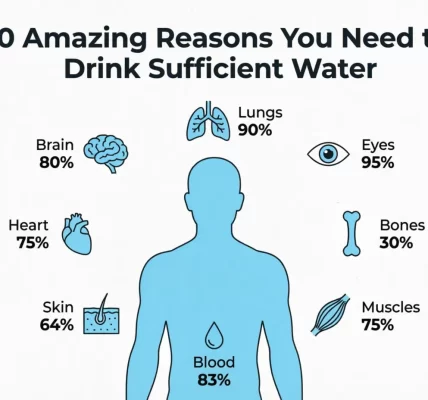
- Beverages: Water should be your primary drink, along with moderate amounts of tea or coffee.
- Herbs and spices: Add flavor while providing beneficial plant compounds.
Foods to Limit
Healthy eating doesn’t mean completely eliminating your favorite foods, but moderation is key. Try to limit:
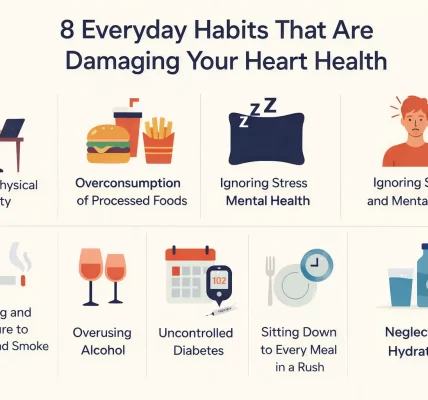
- Sugary products: Soft drinks, sweets, and desserts can increase the risk of obesity and type 2 diabetes.
- Trans fats: Found in processed and fried foods, these are linked to heart disease.
- Refined carbohydrates: White bread and pastries can cause rapid spikes in blood sugar and hunger.
- Highly processed “low-fat” foods: Often contain added sugar to improve taste.
By reducing these foods, you naturally make room for more nutritious options.
Keep It Simple and Sustainable
Healthy eating is not about strict rules, extreme restrictions, or giving up the foods you love. Instead, it’s about creating a balanced, enjoyable way of eating that you can maintain long-term.
Start small—swap processed snacks for whole foods, drink more water, and include more vegetables in your meals. Over time, these simple changes will lead to noticeable improvements in your health and well-being.
Final Thoughts
With so much conflicting nutrition advice available, it’s easy to feel overwhelmed. However, the foundation of healthy eating remains simple: focus on whole foods, balance your nutrients, and maintain consistency.
By making mindful choices and listening to your body, you can build a healthy diet that not only supports your physical health but also enhances your energy, mood, and overall quality of life.