


Small Habits, Big Changes: The Power of Tiny Steps for a Better Life
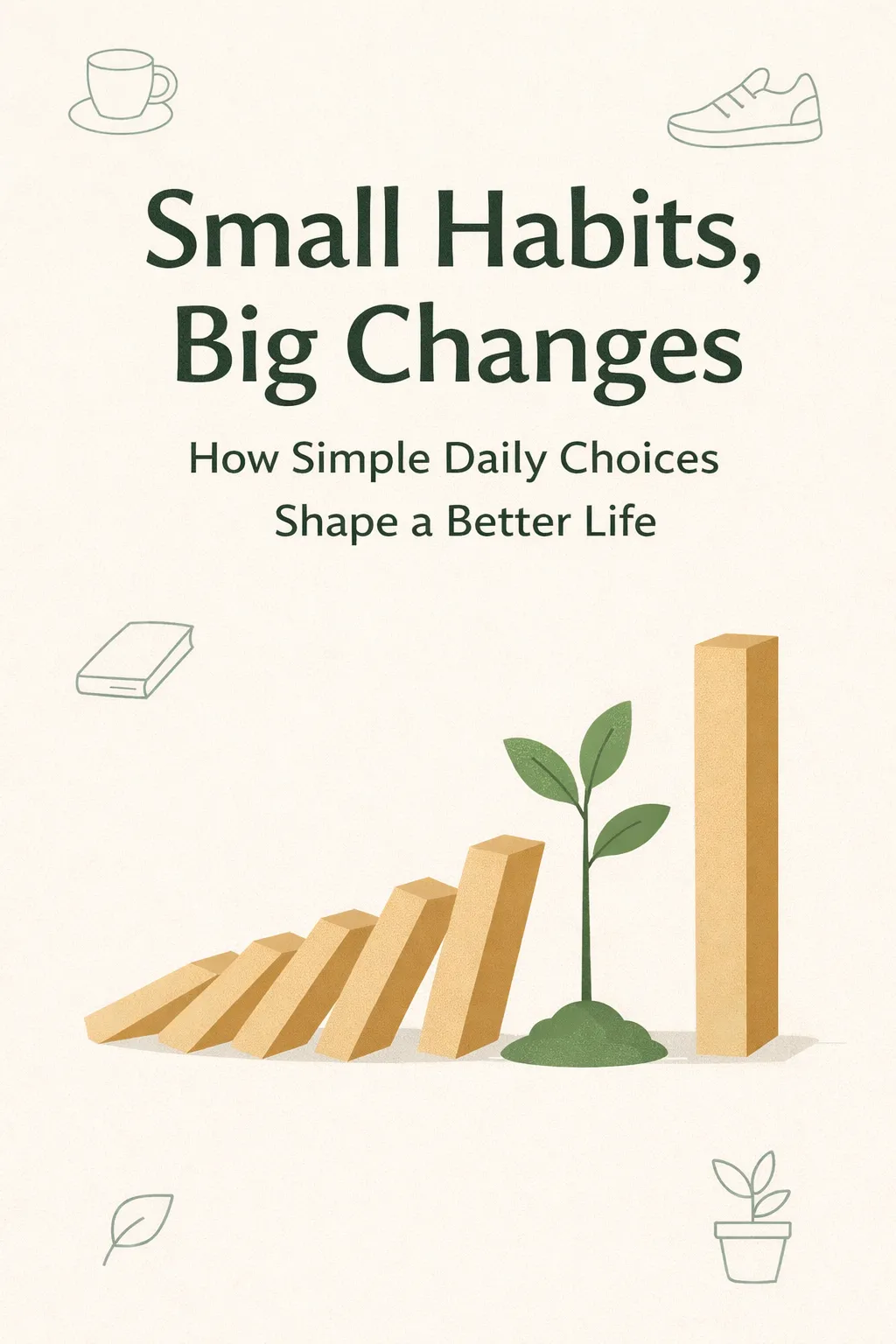
In today’s fast-paced world, many people want to improve their health, productivity, and happiness—but feel overwhelmed by big goals. The truth is, lasting change doesn’t come from dramatic transformations overnight. Instead, it comes from small, consistent habits practiced every day.
In this blog, we’ll explore how tiny habits can lead to powerful life changes, the science behind habit formation, and practical strategies to help you build better routines—one step at a time.
Why Small Habits Matter More Than Big Goals
Your life is essentially the sum of your daily habits. What you do repeatedly shapes your physical health, mental clarity, and emotional well-being.
When people set large, ambitious goals—like losing 10 kg quickly or completely changing their lifestyle—they often feel overwhelmed. This leads to burnout or giving up altogether.
Small habits, on the other hand, are:
- Easy to start
- Less intimidating
- More sustainable
For example, instead of committing to a 1-hour workout daily, starting with just 10 minutes can build consistency. Over time, these small actions compound into meaningful results.
The Science Behind Habit Formation
Understanding how habits work can make behavior change much easier.
The Habit Loop
Every habit follows a simple cycle:
- Cue (Trigger): Something that initiates the behavior
- Routine (Action): The habit itself
- Reward (Outcome): The benefit you gain
For example:
- Cue: Feeling tired
- Routine: Drinking coffee
- Reward: Increased alertness
Over time, your brain associates the cue with the reward, making the behavior automatic.
Your Brain on Habits
Habits are stored in a part of the brain called the basal ganglia, which helps automate repeated behaviors. This is why habits feel effortless once established—they require less conscious effort.
This also means:
- Good habits become easier over time
- Bad habits can be replaced, not just removed
Key Principles for Building Better Habits
To create lasting change, focus on these proven principles:
1. Start Small and Specific
Instead of vague goals like “exercise more,” choose something measurable:
- Walk 10 minutes after dinner
- Drink 2 glasses of water in the morning
Small actions reduce resistance and increase consistency.
2. Focus on Consistency, Not Perfection
Doing something imperfectly every day is more powerful than doing it perfectly once a week.
Consistency strengthens neural pathways in the brain, turning actions into automatic habits.
3. Use Positive Reinforcement
Reward yourself after completing a habit. This can be:
- A sense of accomplishment
- A small treat
- Tracking progress in a journal or app
Positive feedback increases the likelihood of repeating the behavior.
4. Design Your Environment
Your surroundings strongly influence your behavior.
Try:
- Keeping healthy food visible
- Placing workout clothes near your bed
- Reducing distractions like social media
A supportive environment makes good habits easier and bad habits harder.
5. Track Your Progress
Monitoring your habits increases awareness and accountability.
Simple methods include:
- Habit tracking apps
- Journals
- Checklists
Seeing progress motivates you to continue.
Practical Strategies to Change Your Behavior
Build Tiny Habits First
The “Tiny Habits” method focuses on starting with actions so small they feel effortless.
Examples:
- Do 1 push-up
- Read 1 page
- Meditate for 1 minute
Once the habit becomes automatic, you can gradually increase the intensity.
Prepare for Setbacks
Failure is part of the process—not the end of it.
Instead of quitting:
- Learn from mistakes
- Adjust your strategy
- Keep moving forward
Consistency over time matters more than occasional setbacks.
Leverage Social Support
Surround yourself with people who support your goals.
This could be:
- Friends
- Family
- Online communities
Support systems increase motivation and accountability.
Setting Goals That Actually Work
To build effective habits, your goals should be:
- Specific: Clearly defined actions
- Measurable: Easy to track progress
- Achievable: Realistic and manageable
- Relevant: Aligned with your values
- Time-bound: Have a deadline
For example:
Instead of “get healthier,” try:
→ “Walk 30 minutes, 5 days a week for the next month.”
Align Habits With Your Values
Habits are easier to maintain when they reflect what truly matters to you.
If you value:
- Health → focus on nutrition and exercise
- Growth → build reading or learning habits
- Relationships → spend quality time with loved ones
When your habits align with your identity, motivation becomes natural.
Create a Strong Foundation for Success
To support long-term habit change:
Build a Positive Mindset
Believe that change is possible. View challenges as opportunities to grow.
Plan Ahead
Break big goals into smaller steps and schedule them into your day.
Adjust Your Environment
Make it easier to follow through by removing obstacles and distractions.
Final Thoughts
Big life changes don’t come from sudden transformations—they come from small, consistent actions repeated over time.
By understanding how habits work and focusing on tiny, manageable steps, you can:
- Improve your health
- Boost productivity
- Enhance mental clarity
- Create lasting happiness
Start small. Stay consistent. Trust the process.