

- Homepage
- Daily Habits
- Self-Discipline: How to Build Good Habits and Achieve Lasting Success
Self-Discipline: How to Build Good Habits and Achieve Lasting Success
 Leo Thompson
Posted on
Leo Thompson
Posted on Table of Contents
ToggleSelf-Discipline: How to Build Good Habits and Achieve Lasting Success
Self-discipline is one of the most powerful skills you can develop if you want to succeed in life. Whether your goal is to excel in school, advance in your career, or improve your personal well-being, discipline is the foundation that keeps you consistent and focused. In this article, you’ll learn what self-discipline really means, why it matters, and how to build strong habits that lead to long-term success.
What Is Self-Discipline?
Self-discipline is the ability to control your actions, thoughts, and emotions in order to achieve your goals. It means doing what needs to be done—even when you don’t feel like it. For example, studying instead of procrastinating, sticking to a workout routine, or maintaining a healthy diet all require discipline.
The good news is that self-discipline is not something you are born with. It is a skill that can be developed over time. With consistent practice, you can strengthen your ability to resist distractions, stay focused, and follow through on your commitments.
Why Self-Discipline Matters
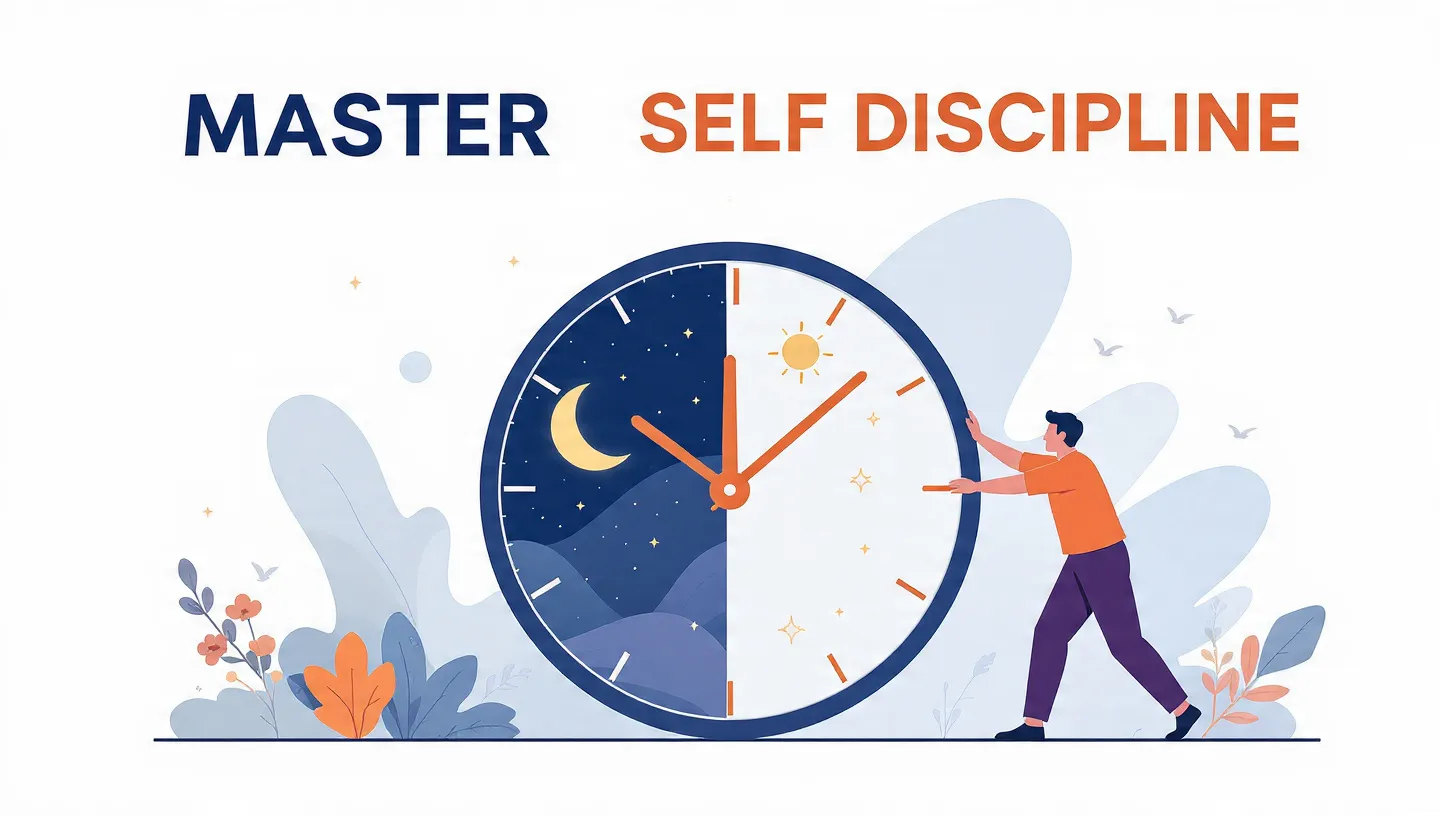
Self-discipline plays a crucial role in every aspect of life. Here are some of the key benefits:
1. Helps You Achieve Your Goals
Without discipline, even the best plans remain unfinished. Discipline ensures that you take consistent action toward your goals, no matter the obstacles.
2. Builds Confidence
When you keep promises to yourself, you start trusting your abilities more. This builds self-confidence and motivation.
3. Reduces Stress
Good discipline leads to better time management. When your tasks are organized, you feel less overwhelmed and more in control.
4. Improves Decision-Making
Discipline helps you avoid impulsive choices. Instead, you think carefully and make decisions that align with your long-term goals.
Key Elements of Self-Discipline
To develop strong self-discipline, you need to focus on a few essential factors:
Clear Goal Setting
Define specific, measurable, and realistic goals. When you know exactly what you’re working toward, it becomes easier to stay committed.
Time Management
Planning your day and sticking to a schedule helps maintain productivity and focus.
Responsibility
Take ownership of your actions and results. Avoid blaming circumstances or others for your setbacks.
Healthy Habits
Regular exercise, balanced nutrition, and proper rest all support your mental and physical strength, making discipline easier to maintain.
How to Strengthen Self-Discipline
Building discipline doesn’t happen overnight. Here are practical steps you can follow:
Start Small
Begin with simple, achievable goals. For example, wake up 15 minutes earlier or read for 10 minutes a day. Small wins build momentum.
Stay Consistent
Consistency is more important than intensity. Doing something every day—even in small amounts—creates lasting habits.
Find Your Inner Motivation
Understand why your goal matters. When your purpose is strong, it becomes easier to stay disciplined.
Use the Pomodoro Technique
Work in focused intervals (25 minutes) followed by short breaks. This method improves concentration and prevents burnout.
Track Your Progress
Keep a journal or checklist of your daily achievements. Reviewing your progress helps you stay accountable and motivated.
Create a Positive Environment
Remove distractions and surround yourself with supportive people. A good environment makes discipline easier to maintain.
Practical Examples of Self-Discipline
Self-discipline shows up in everyday life. Here are a few examples:
- Waking up early to start your day productively
- Following a daily schedule to complete tasks efficiently
- Exercising regularly to stay healthy and energized
- Limiting social media use to avoid distractions
- Staying patient during challenges instead of giving up
These simple actions, when done consistently, can lead to significant improvements over time.
Applying Self-Discipline in Daily Life
Self-discipline is not just a concept—it’s a lifestyle. You can apply it in many areas:
Time Management
Plan your day, set priorities, and avoid procrastination.
Building Good Habits
Develop routines like reading, exercising, or learning new skills daily.
Emotional Control
Stay calm under pressure and avoid overreacting in difficult situations.
Work and Productivity
Create a focused work environment and commit to completing tasks on time.
Relationships
Be responsible, keep your promises, and communicate respectfully.
Long-Term Goals
Break big goals into smaller steps and track your progress regularly.
The Connection Between Discipline, Nutrition, and Mental Health
Your physical and mental health directly impact your ability to stay disciplined.
Balanced Nutrition
Eating healthy foods provides energy and improves focus. Avoid excessive sugar and processed foods that can cause fatigue.
Mental Well-Being
Practices like meditation, mindfulness, and stress management help you stay calm and focused.
Quality Sleep
Getting enough sleep is essential for maintaining energy, concentration, and emotional stability.
When your body and mind are in good condition, it becomes much easier to maintain discipline and stay consistent.
Final Thoughts
Self-discipline is the key to building good habits and achieving lasting success. It’s not about being perfect—it’s about being consistent. By setting clear goals, managing your time effectively, and taking care of your physical and mental health, you can develop the discipline needed to transform your life.
Start small, stay committed, and remember: every disciplined action you take today brings you one step closer to the future you want.
You Might Also Like