


What Are Calories? Their Role and Effects on the Human Body
Calories are a term you’ve probably seen everywhere—on food labels, restaurant menus, and fitness apps. But what exactly are calories, and why are they so important for your health? Understanding how calories work can help you make smarter dietary choices and maintain a healthy lifestyle.
In this article, we’ll break down what calories are, their role in the body, and how they affect your weight and overall well-being.
What Are Calories?
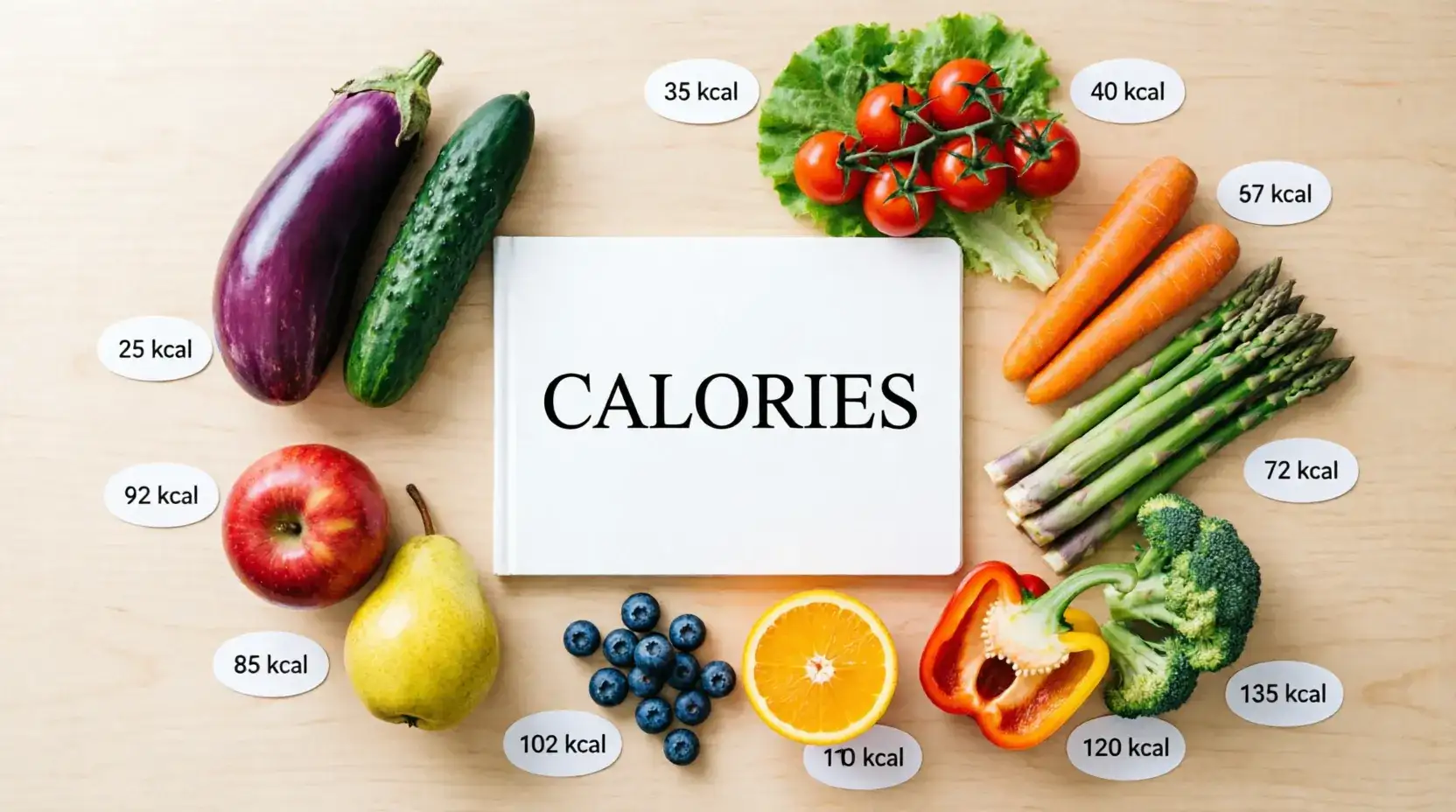
Calories (or “calories”) are units of energy. Scientists define a calorie as the amount of energy required to raise the temperature of 1 gram of water by 1°C. However, in everyday use, the term “calorie” typically refers to a kilocalorie (kcal), which equals 1,000 small calories.
In simple terms, calories measure how much energy you get from food and how much energy your body uses to function.
Every food and drink you consume contains calories, which mainly come from three macronutrients:
- Carbohydrates: 4 calories per gram
- Protein: 4 calories per gram
- Fat: 9 calories per gram
When you eat, your body breaks down food into energy. This energy is either used immediately or stored for later use.
The Role of Calories in the Body
Calories are essential for survival. Every cell in your body needs energy to function properly. From breathing and circulating blood to thinking, moving, and even sleeping—everything requires calories.
Without enough energy:
- Cells cannot function properly
- Organs like the heart and lungs cannot operate
- Basic life processes will stop
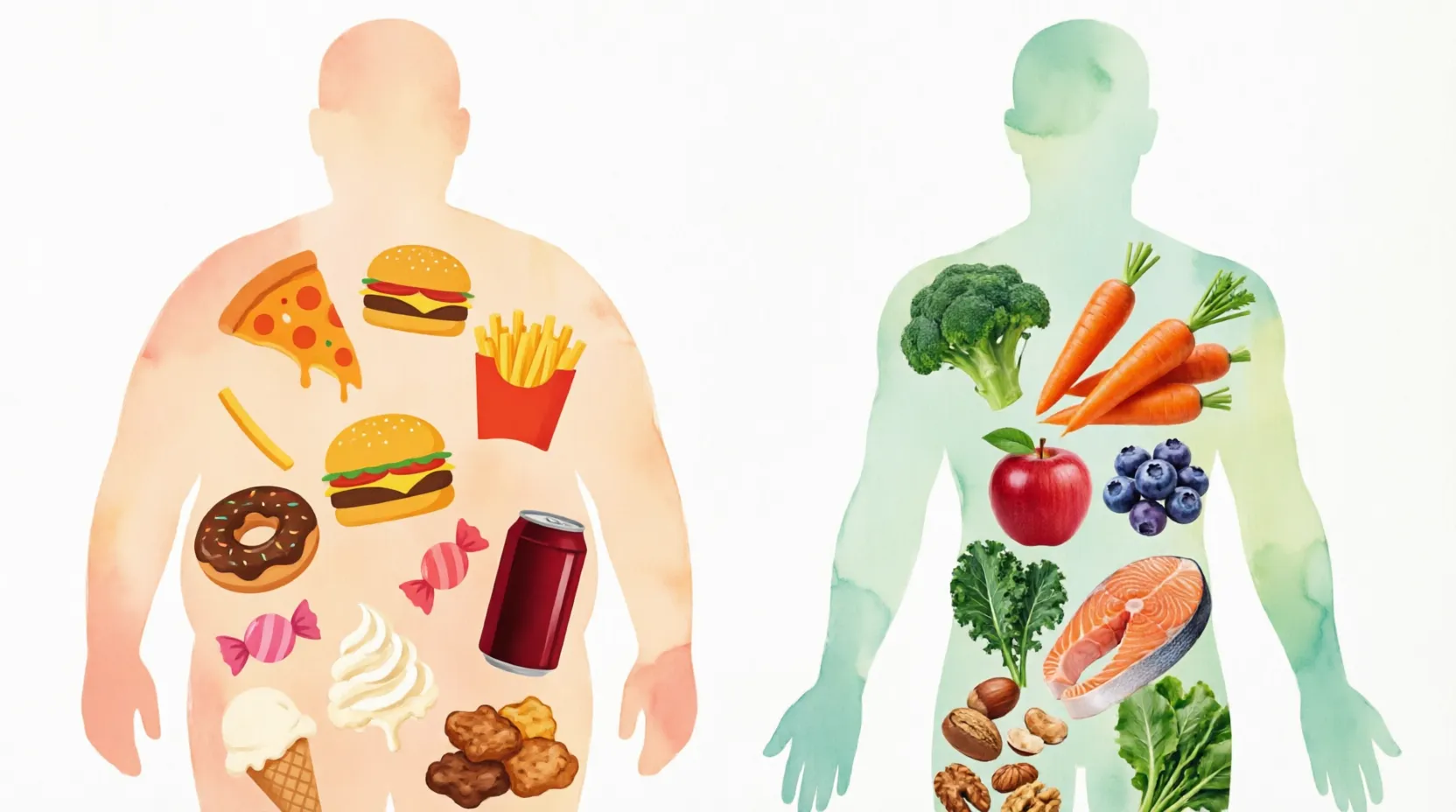
However, it’s important to understand that not all calories are equal. While calories provide energy, the quality of the food you consume matters just as much as the quantity. Nutrient-dense foods like fruits, vegetables, and whole grains provide both energy and essential nutrients, while processed foods may offer “empty calories” with little nutritional value.
Calories and Body Weight
Your body weight is directly influenced by the balance between calories consumed and calories burned.
1. Weight Gain
If you consume more calories than your body needs, the excess energy is stored as fat. Over time, this can lead to weight gain and increase the risk of overweight and obesity.
2. Weight Loss
When you consume fewer calories than your body requires, it starts using stored fat for energy. This leads to weight loss. Maintaining a calorie deficit is the key principle behind most weight-loss strategies.
Effects of Consuming Too Many Calories
Eating too many calories—especially from unhealthy sources—can lead to serious health problems, particularly when combined with a sedentary lifestyle.
Common risks include:
- Obesity
- Heart disease
- High blood pressure
- Type 2 diabetes
- Fatty liver disease
- Sleep apnea
- Joint problems
Long-term obesity has also been linked to an increased risk of several types of cancer, including liver, pancreatic, and ovarian cancers.
Effects of Consuming Too Few Calories
On the other hand, consuming too few calories can also harm your health. This often occurs in extreme dieting or eating disorders.
When your body doesn’t get enough energy:
- Metabolism slows down
- Muscle mass decreases
- Hormonal imbalances may occur
- You may feel tired, stressed, and unable to concentrate
Severe calorie deficiency can lead to malnutrition, electrolyte imbalances, irregular heartbeat, and even permanent organ damage in extreme cases.
How Many Calories Do You Need?
The number of calories you need each day depends on several factors, including:
- Age
- Gender
- Body size
- Activity level
On average, adults need about 2,000 calories per day to maintain their weight. However, active individuals may require more, while sedentary individuals may need fewer.
Tips for Managing Your Calorie Intake
To maintain a healthy balance, consider the following tips:
- Focus on nutrient-dense foods like fruits, vegetables, lean proteins, and whole grains
- Limit processed foods high in sugar and unhealthy fats
- Pay attention to portion sizes
- Stay physically active to burn calories efficiently
- Avoid extreme dieting—aim for sustainable habits instead
- Listen to your body’s hunger and fullness signals
Final Thoughts
Calories are essential for life, providing the energy your body needs to function every day. However, balance is key. Consuming too many or too few calories can lead to serious health issues.
Instead of focusing only on calorie counting, aim for a balanced diet that includes high-quality, nutrient-rich foods. Combined with an active lifestyle, this approach will help you maintain a healthy weight and support long-term well-being.