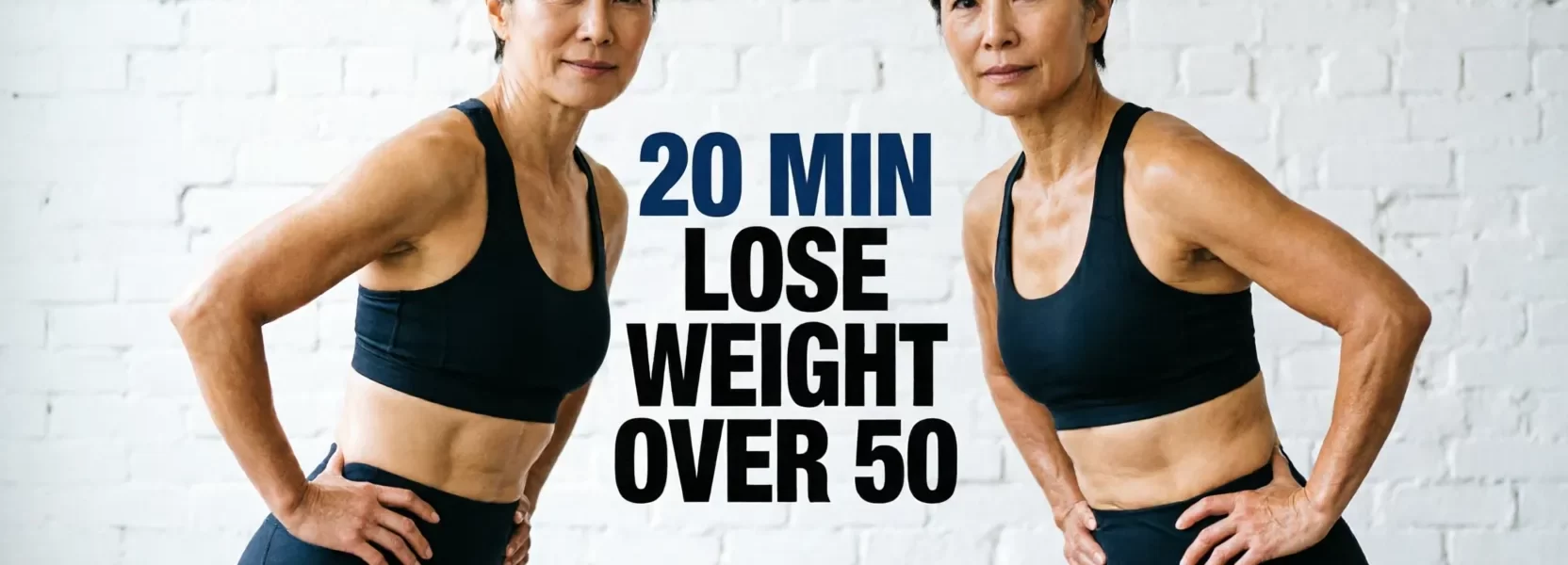

How to Optimize a 20-Minute Daily Workout to Stay Fit After 50
Staying in shape after the age of 50 can feel more challenging than ever. As we age, the body naturally loses muscle mass, bone density declines, and balance becomes less stable. However, with the right strategy, you can maintain your fitness, strength, and independence—all with just 20 minutes of exercise per day.
This guide will show you how to maximize a short daily workout and stay healthy, active, and confident well into your later years.
Why 20 Minutes of Exercise Matters After 50
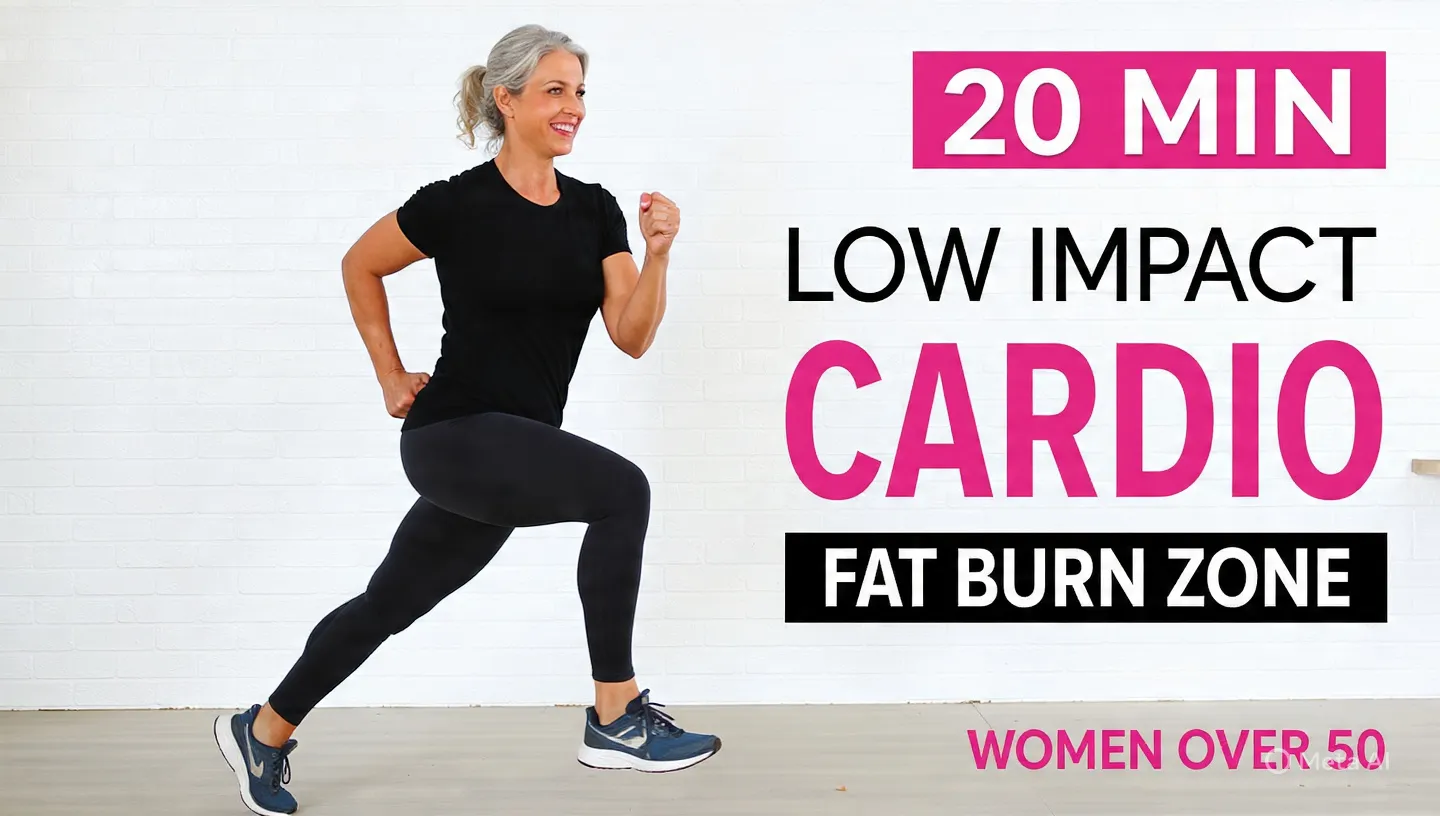
After 50, regular movement becomes essential—not optional. According to global health recommendations, adults should aim for at least 150 minutes of moderate activity per week. That breaks down to about 20–30 minutes a day.
Even just 20 minutes daily can deliver powerful benefits:
- Maintain lean muscle mass
- Reduce visceral fat
- Improve bone density
- Boost cardiovascular health
- Enhance balance and reduce fall risk
Most importantly, it helps you stay independent in daily activities like climbing stairs, carrying groceries, or playing with grandchildren.
How to Structure an Effective 20-Minute Workout
To get the most out of your limited time, your routine should include a combination of:
- Strength training
- Bodyweight exercises
- Light cardio intervals
This balanced approach ensures you train your entire body efficiently.
1. Focus on Compound Movements
Compound exercises work multiple muscle groups at once, saving time and increasing effectiveness.
Great options include:
- Squats or chair squats
- Step-ups
- Resistance band rows
- Light dumbbell lifts
These movements improve functional strength, making everyday tasks easier and safer.
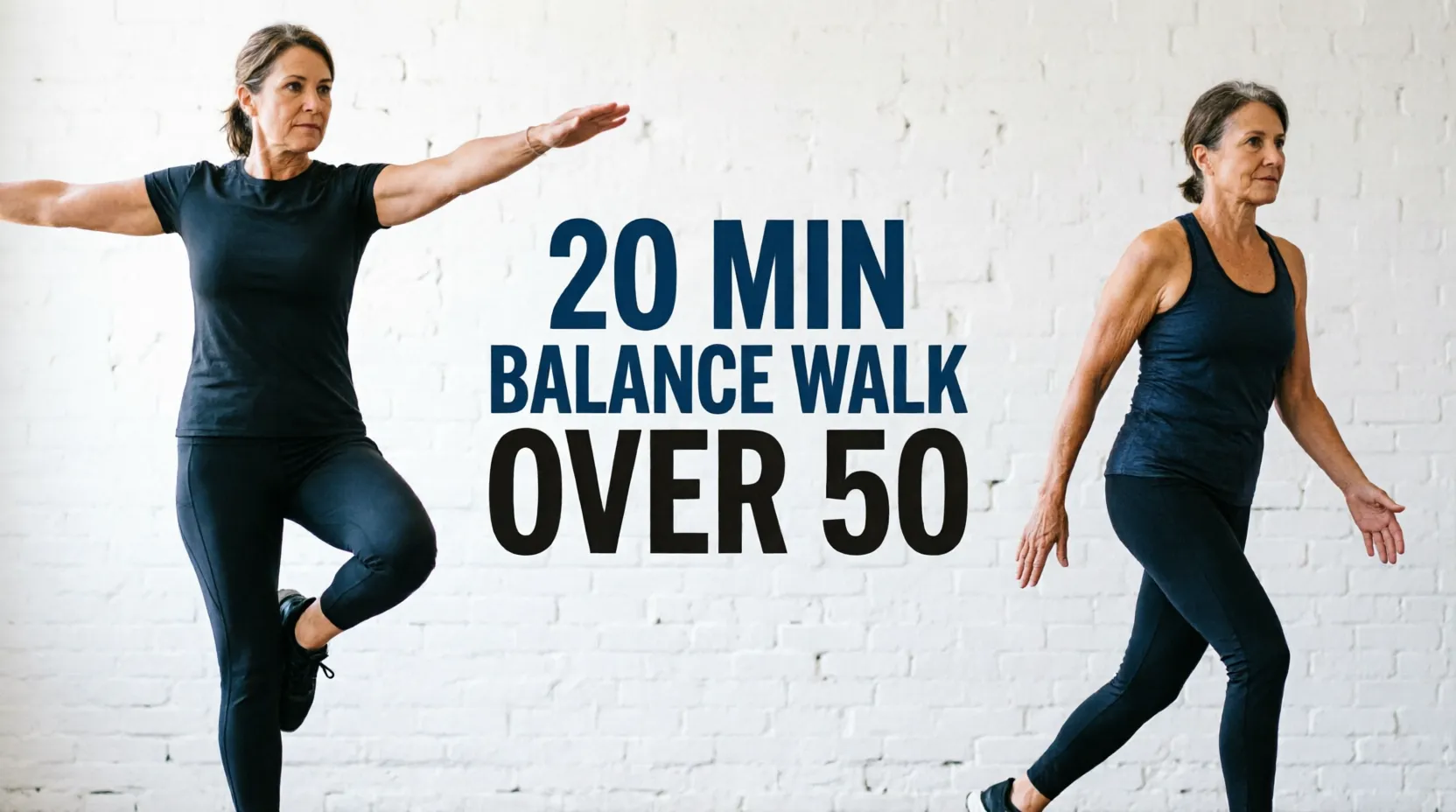
2. Include Balance Training
Balance exercises are crucial after 50, as they help prevent falls—a leading cause of injury in older adults.
Try adding:
- Single-leg stands
- Split squats or lunges
- Heel-to-toe walking
Practicing balance regularly improves coordination and stability within just a few weeks.
3. Add Low-Impact Cardio Intervals
You don’t need intense workouts to improve heart health. Instead, use short bursts of moderate effort.
Examples:
- Brisk walking with short faster intervals
- Marching in place with high knees
- Cycling at home
- Walking uphill
Alternate between 30–45 seconds of higher intensity and slower recovery periods. This boosts fat burning while remaining gentle on the joints.
4. Keep Rest Time Short
To maximize efficiency, keep rest periods under 15 seconds between exercises. This helps:
- Maintain your heart rate
- Improve endurance
- Increase calorie burn
Short rest intervals are especially useful when time is limited.
5. Use Bodyweight Exercises
Bodyweight training is perfect for home workouts—no equipment needed.
Effective exercises include:
- Bird Dog (for spinal stability)
- Side Plank (for core strength)
- Glute Bridge (for hips and lower back)
These exercises improve posture, reduce back pain, and enhance overall mobility.
6. Mix Moderate and Higher Intensity
For adults over 50, the best approach is a combination of:
- Moderate intensity (steady pace)
- Short bursts of higher intensity
This balance ensures safety while still delivering strong results in fat loss, strength, and endurance.
Sample 20-Minute Workout Plan
Here’s a simple structure you can follow:
Warm-up (3 minutes):
- Light marching or walking
- Gentle stretching
Main workout (15 minutes):
- Squats – 12 reps
- Step-ups – 10 reps per leg
- Bird Dog – 10 reps per side
- Brisk walking or marching – 45 seconds
- Glute Bridge – 12 reps
- Side Plank – 20 seconds per side
Repeat the circuit 2–3 times with minimal rest.
Cool-down (2 minutes):
- Stretch major muscle groups
- Deep breathing
Additional Tips for Staying Fit After 50
To enhance your results:
- Stay consistent: Make 20 minutes a daily habit
- Eat a balanced diet: Focus on protein, healthy fats, and whole foods
- Stay hydrated: Drink water throughout the day
- Get enough sleep: Recovery is key for muscle health
Final Thoughts
You don’t need long, exhausting workouts to stay fit after 50. With a smart and efficient plan, just 20 minutes a day can help you maintain strength, balance, and overall health.
The key is consistency and choosing exercises that support your body’s needs. Start small, stay committed, and enjoy the long-term benefits of a healthier, more active lifestyle.