
Effective Ways to Reduce Stress Naturally and Improve Your Well-Being
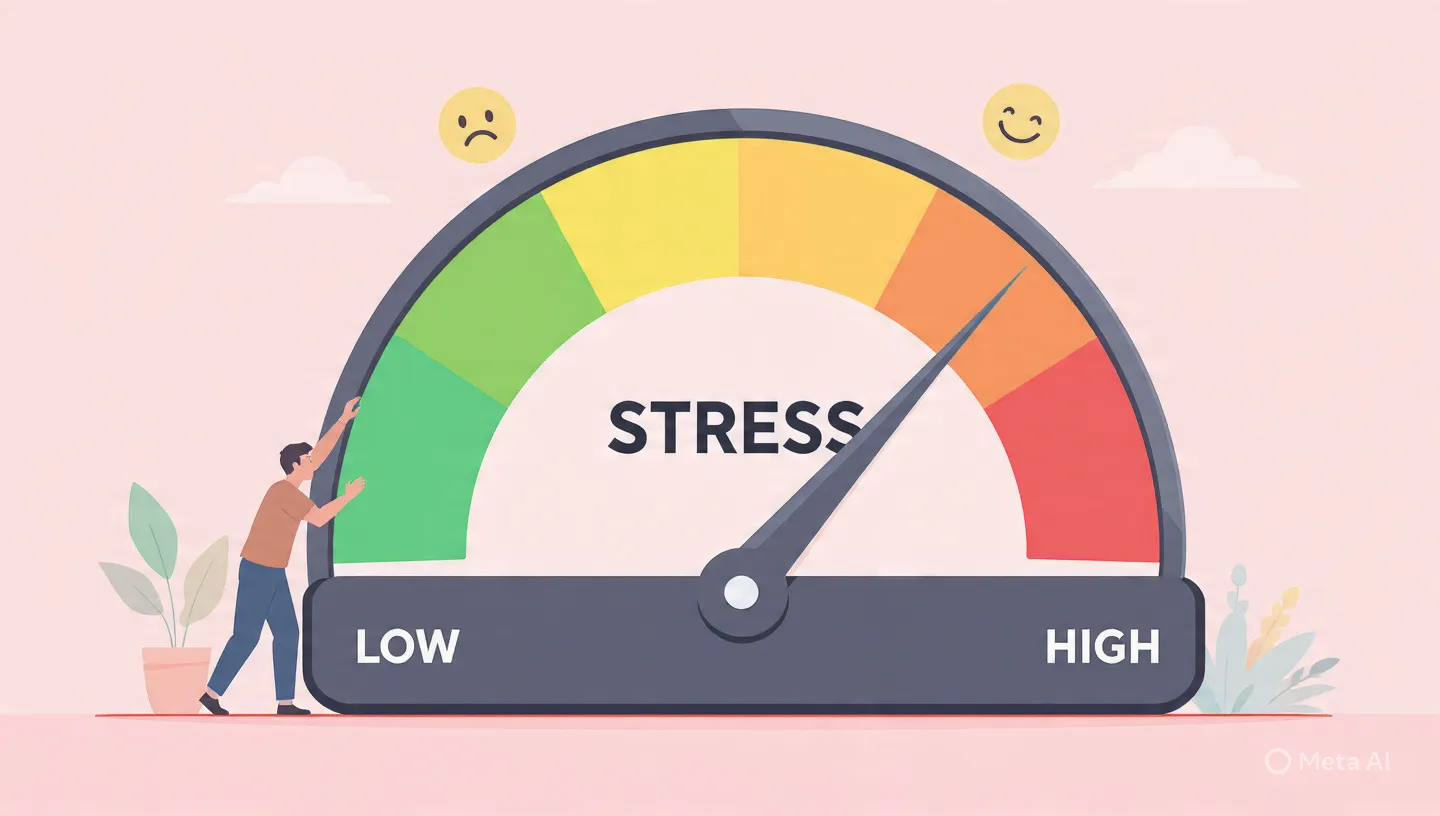
In today’s fast-paced world, stress has become a common part of life. While a certain level of stress can motivate and sharpen your focus, prolonged or excessive stress can negatively impact both your physical and mental health. Understanding how to manage stress effectively is essential for maintaining a balanced and healthy lifestyle.
In this article, we’ll explore practical, science-backed ways to reduce stress and regain control of your well-being.
What Is Stress and How Does It Affect Your Body?
Stress can be divided into two main types: acute stress and chronic stress. Acute stress is short-term and often occurs in response to immediate challenges, such as a job interview or a sudden deadline. On the other hand, chronic stress develops over time due to ongoing pressures like financial problems, relationship conflicts, or health issues.
Interestingly, stress is not always harmful. In small doses, it acts as a natural defense mechanism, helping you stay alert, focused, and motivated. However, when stress becomes overwhelming or long-lasting, it can lead to serious issues such as anxiety, depression, sleep disorders, and weakened immunity.
That’s why learning effective stress management techniques is crucial.
10 Effective Ways to Reduce Stress
1. Get Enough Sleep
Sleep plays a vital role in restoring both the body and mind. Poor sleep can worsen stress levels, while quality sleep helps regulate emotions and improve overall health.
Aim for 7–8 hours of sleep per night, and consider taking a short 20–30 minute nap during the day to recharge your energy. A well-rested body is better equipped to handle daily challenges.
2. Drink Herbal Tea
Herbal teas are known for their calming effects. They can help relax your nervous system and improve sleep quality.
- Daytime options: Green tea, peppermint tea (boost alertness)
- Evening options: Chamomile tea, lotus leaf tea (promote relaxation)
These beverages contain antioxidants and natural compounds that support mental well-being.
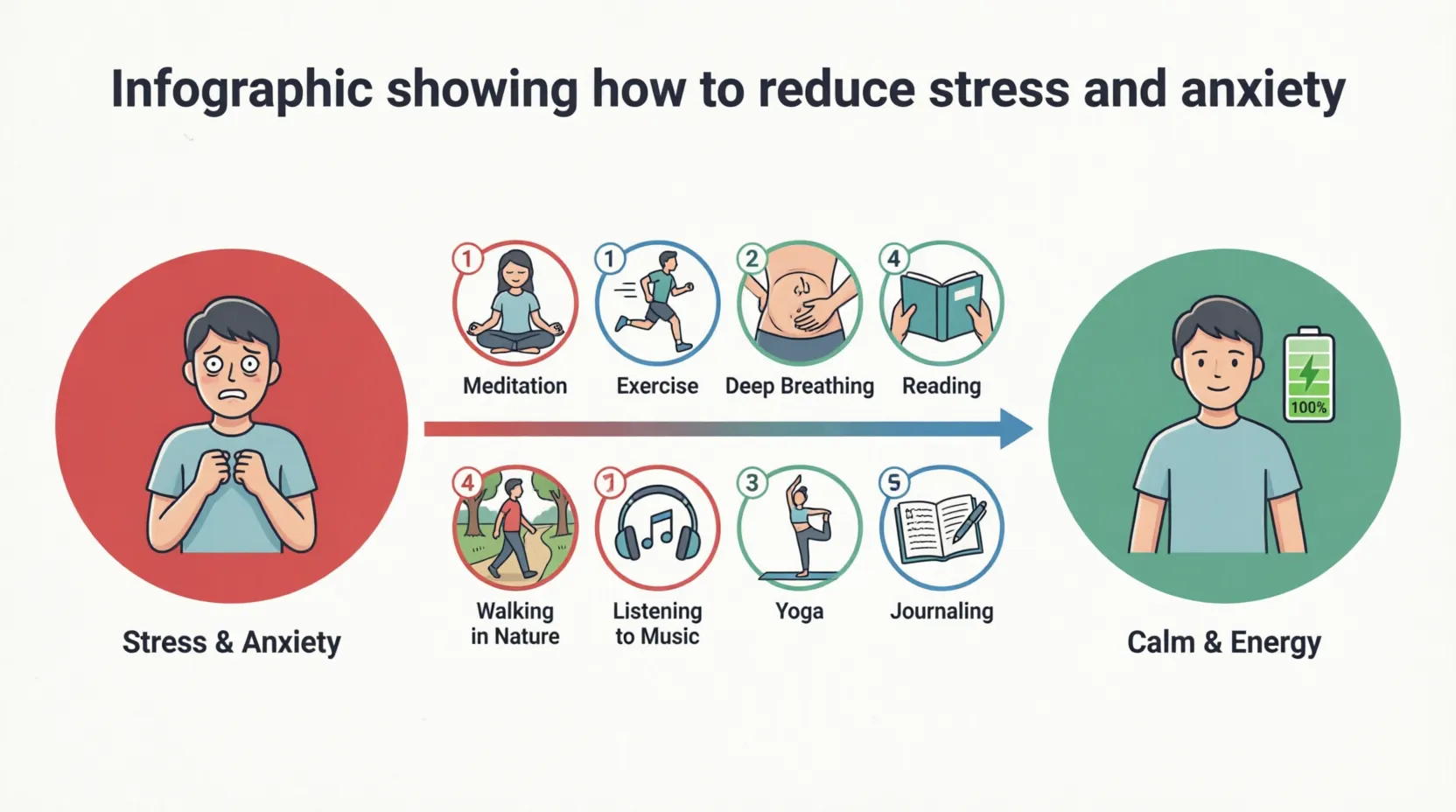
3. Practice Meditation
Meditation is a powerful tool for calming the mind and reducing stress. Originating from ancient traditions, it is now widely used as a therapeutic method for managing anxiety and emotional imbalance.
Regular meditation helps you:
- Improve focus
- Reduce negative thoughts
- Achieve inner peace
Even 10–15 minutes per day can make a noticeable difference.
4. Use Deep Breathing Techniques
Deep breathing is one of the simplest and most effective ways to reduce stress instantly.
How to practice:
- Sit comfortably with a straight back
- Inhale slowly through your nose, expanding your abdomen
- Hold your breath for a few seconds
- Exhale slowly through your mouth
Repeat this cycle 10–15 times to calm your mind and improve oxygen flow.
5. Try Massage Therapy
Massage helps relax muscles, improve blood circulation, and release built-up tension in the body. It’s especially beneficial for people experiencing stress-related headaches or neck and shoulder pain.
You can:
- Visit a professional spa
- Or perform simple self-massage at home
Using essential oils can enhance the relaxation effect.
6. Listen to Music
Music has a powerful influence on the brain. Listening to calming, instrumental music can help regulate heart rate, lower blood pressure, and reduce stress hormones.
For best results:
- Choose slow, soothing melodies
- Avoid loud or overly stimulating music before bedtime
Music can be enjoyed anytime—during work breaks, exercise, or before sleep.
7. Practice Positive Thinking
Negative thoughts can intensify stress and anxiety. Training your mind to think positively can significantly improve your emotional health.
Tips to build a positive mindset:
- Keep a gratitude journal
- Focus on solutions instead of problems
- Read motivational content
Over time, positive thinking becomes a habit that strengthens your mental resilience.
8. Talk to Someone You Trust
Sharing your thoughts and feelings with friends or family can relieve emotional pressure. Sometimes, simply talking about your worries can help you see things more clearly and feel less overwhelmed.
Support from others acts as a natural stress reliever and provides valuable perspective.
9. Use Aromatherapy
Aromatherapy uses natural scents to stimulate the brain and promote relaxation.
- Relaxing scents: Lavender, chamomile, rose (ideal for evening)
- Energizing scents: Peppermint, eucalyptus (great for mornings)
You can use essential oils in a diffuser, during a bath, or for massage.
10. Maintain a Healthy Lifestyle
Your daily habits play a major role in stress management. Consider incorporating the following into your routine:
- Balanced diet: Eat more fruits, vegetables, and healthy fats
- Regular exercise: Boosts mood and reduces tension
- Stay hydrated: Supports overall body function
- Time management: Helps reduce unnecessary pressure
Small lifestyle changes can lead to significant improvements in your stress levels.
When Should You Seek Professional Help?
While these methods are effective for most people, chronic stress that doesn’t improve may require professional support. If you experience persistent anxiety, depression, or burnout, consider consulting a mental health specialist.
Early intervention can prevent more serious health issues and help you regain control of your life.
Final Thoughts
Stress is an inevitable part of life, but it doesn’t have to control you. By adopting healthy habits such as proper sleep, regular exercise, meditation, and positive thinking, you can effectively manage stress and improve your overall quality of life.
Start small, stay consistent, and remember: taking care of your mental health is just as important as caring for your physical health.