
- Homepage
- Daily Habits
- What Is a Balanced Diet and How to Achieve It?
What Is a Balanced Diet and How to Achieve It?
 Leo Thompson
Posted on
Leo Thompson
Posted on What Is a Balanced Diet and How to Achieve It?

A balanced diet is the foundation of a healthy lifestyle. It provides your body with the essential nutrients it needs to function properly, maintain energy levels, and prevent disease. But what exactly is a balanced diet, and how can you achieve it in your daily routine? This guide will help you understand the concept and offer practical tips for building healthier eating habits.
Table of Contents
ToggleWhat Is a Balanced Diet?
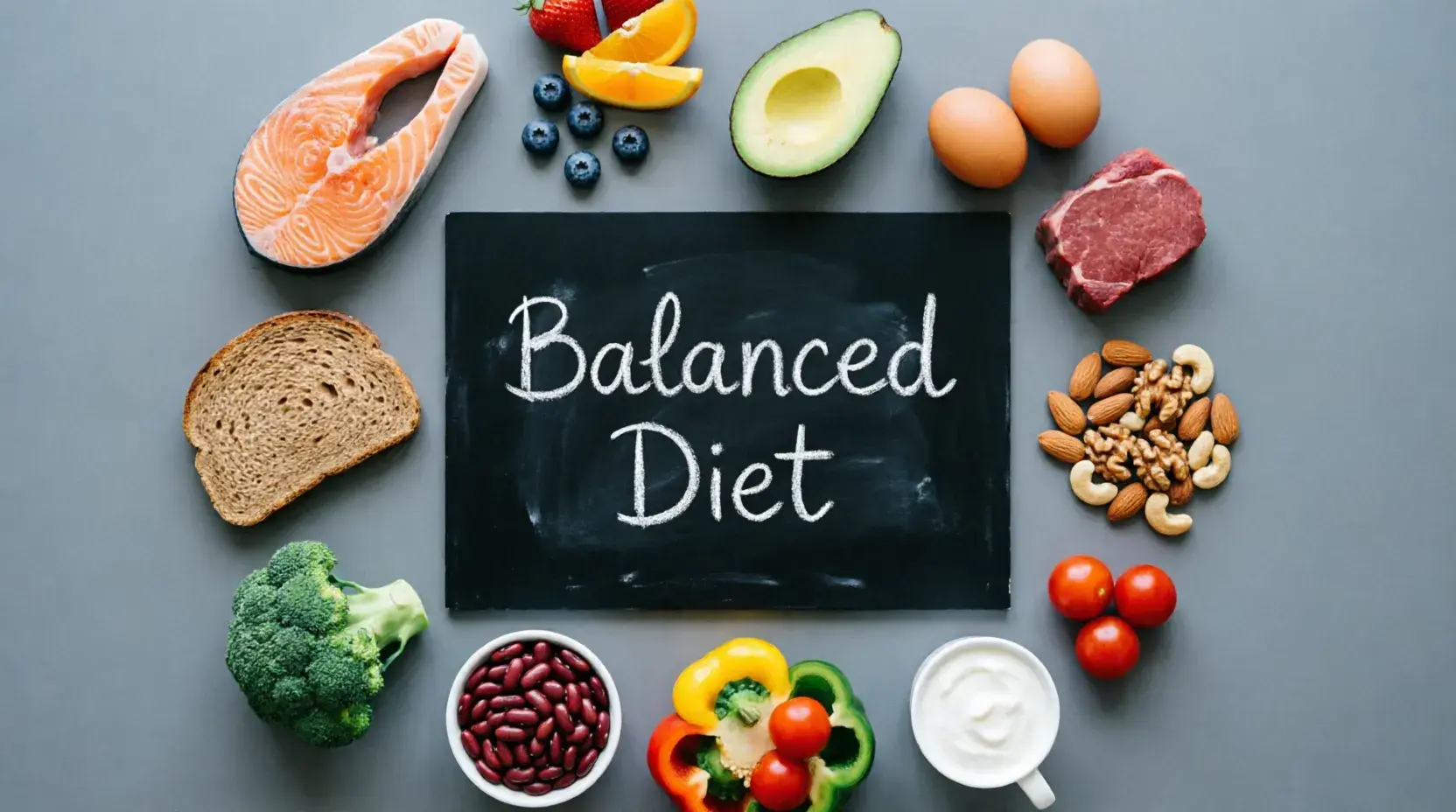
A balanced diet includes a variety of foods in the right proportions to meet your daily nutritional needs. It ensures your body gets enough calories, protein, vitamins, minerals, and other essential nutrients while also maintaining a small reserve for short-term needs.
Ideally, your daily calorie intake should be distributed as follows:
- 60–70% from carbohydrates
- 10–12% from protein
- 20–25% from healthy fats
In addition, a balanced diet should include bioactive compounds such as fiber, antioxidants, and phytochemicals that promote overall health.
Most of your daily calories should come from nutrient-dense foods like:
- Fresh fruits and vegetables
- Whole grains
- Legumes and nuts
- Lean protein sources
An average adult typically requires around 2,000 calories per day, although this varies depending on age, gender, and activity level. Active individuals and men generally need more calories than sedentary individuals and women.
It’s also important to avoid “empty calories”—foods high in sugar and fat but low in nutrients. These include sugary drinks, processed snacks, fast food, and desserts.
Health Benefits of a Balanced Diet
Following a balanced diet offers numerous health benefits:
1. Meets Nutritional Needs
A varied and balanced diet ensures your body gets all the essential nutrients, preventing deficiencies and supporting overall health.
2. Prevents Chronic Diseases
Healthy eating reduces the risk of serious conditions such as diabetes, heart disease, and certain cancers. It can also help manage conditions like high blood pressure.
3. Boosts Energy Levels
Eating the right foods fuels your body, improves focus, and helps you stay active throughout the day.
4. Supports Weight Management
A balanced diet helps regulate your metabolism and maintain a healthy weight without extreme dieting.
5. Enhances Mental Well-being
Nutritious meals can improve mood, reduce stress, and even strengthen social connections when shared with others.
What to Eat for a Balanced Diet
To build a healthy eating plan, include the following key food groups:
Fruits
Fruits are rich in vitamins, minerals, and natural sugars. They make excellent snacks or desserts. Choose fresh, seasonal fruits for maximum nutrition. Despite their sweetness, fruits also provide fiber and antioxidants that support overall health.
Vegetables
Vegetables are essential sources of vitamins, minerals, and antioxidants. Aim for a variety of colors, especially dark leafy greens like spinach, kale, and broccoli. They can be enjoyed in salads, soups, smoothies, or as side dishes.
Whole Grains
Whole grains retain all parts of the grain, providing more fiber and nutrients than refined grains. Options like brown rice, oats, and whole wheat bread improve digestion and keep you fuller for longer.
Protein
Protein is vital for muscle growth, tissue repair, and overall body function.
- Animal sources: lean meats, poultry, fish
- Plant-based sources: beans, lentils, nuts, seeds, and soy products
Limiting processed meats is recommended, as they may increase the risk of health issues.
Dairy or Alternatives
Dairy products provide calcium, protein, and vitamin D. If you’re lactose intolerant or vegan, consider fortified plant-based alternatives like almond milk, soy milk, or oat milk.
Healthy Fats
Fats are essential for energy and cell function. Focus on healthy fats from sources like olive oil, nuts, seeds, and fish. Limit saturated fats and avoid trans fats found in processed foods.
General Tips for Healthy Eating
To maintain a balanced diet, follow these simple guidelines:
- Do not skip meals, especially breakfast—it kickstarts your metabolism.
- Eat three main meals and two healthy snacks daily.
- Stay hydrated by drinking plenty of water.
- Choose a variety of foods—no single food provides all nutrients.
- Eat at least five servings of fruits and vegetables per day.
- Keep healthy snacks on hand to avoid unhealthy choices.
- Limit caffeine, sugar, and processed foods.
- Reduce eating out and prepare meals at home when possible.
- Stop eating when you feel full to avoid overeating.
Smart Food Choices You Should Try
- Replace fried foods with steamed or boiled options
- Use low-fat yogurt instead of mayonnaise
- Add fresh fruits to plain yogurt instead of flavored versions
- Choose skim or low-fat milk over whole milk
- Trim visible fat from meat and remove poultry skin before cooking
- Use minimal oil—try grilling, steaming, or baking instead
Final Thoughts
A balanced diet doesn’t mean strict restrictions or complicated meal plans. It’s about making smarter, sustainable food choices and enjoying a variety of nutritious foods. By adopting these habits, you can improve your energy levels, maintain a healthy weight, and protect your long-term health.
If you’re unsure about your dietary needs, consider consulting a nutritionist or healthcare professional for personalized guidance.