
8 Healthy Evening Habits for Better Sleep and Improved Well-Being
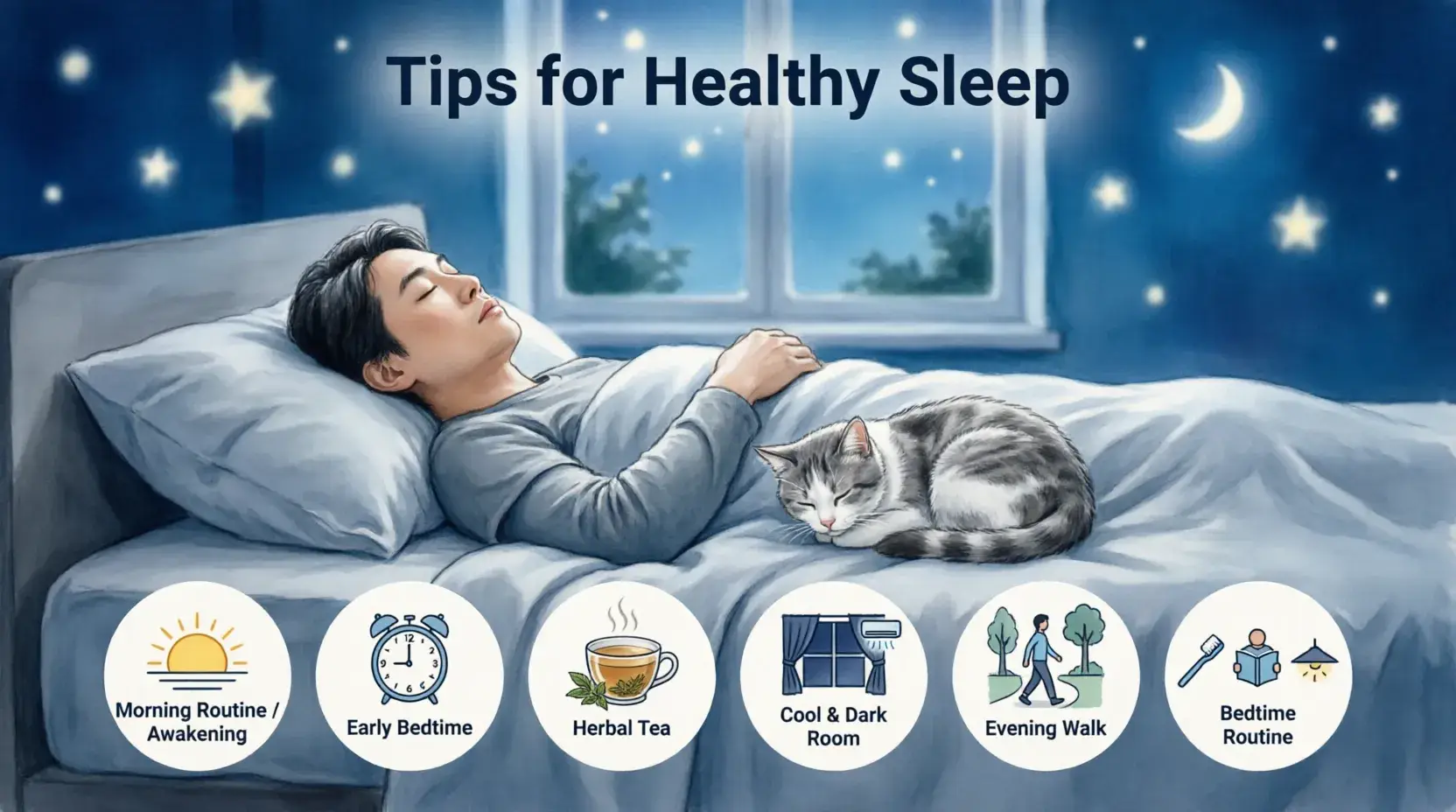
A good night’s sleep is essential for your physical health, mental clarity, and overall quality of life. However, many people struggle with poor sleep due to stress, unhealthy routines, or bad evening habits. Lack of sleep can lead to fatigue, reduced concentration, memory problems, and even long-term health issues such as heart disease.
The good news is that small changes in your evening routine can significantly improve your sleep quality. Here are 8 healthy evening habits to help you fall asleep faster and wake up feeling refreshed.
1. Relax Your Mind and Body
After a long day, your body needs time to unwind. High levels of stress hormones like cortisol can interfere with your ability to fall asleep.
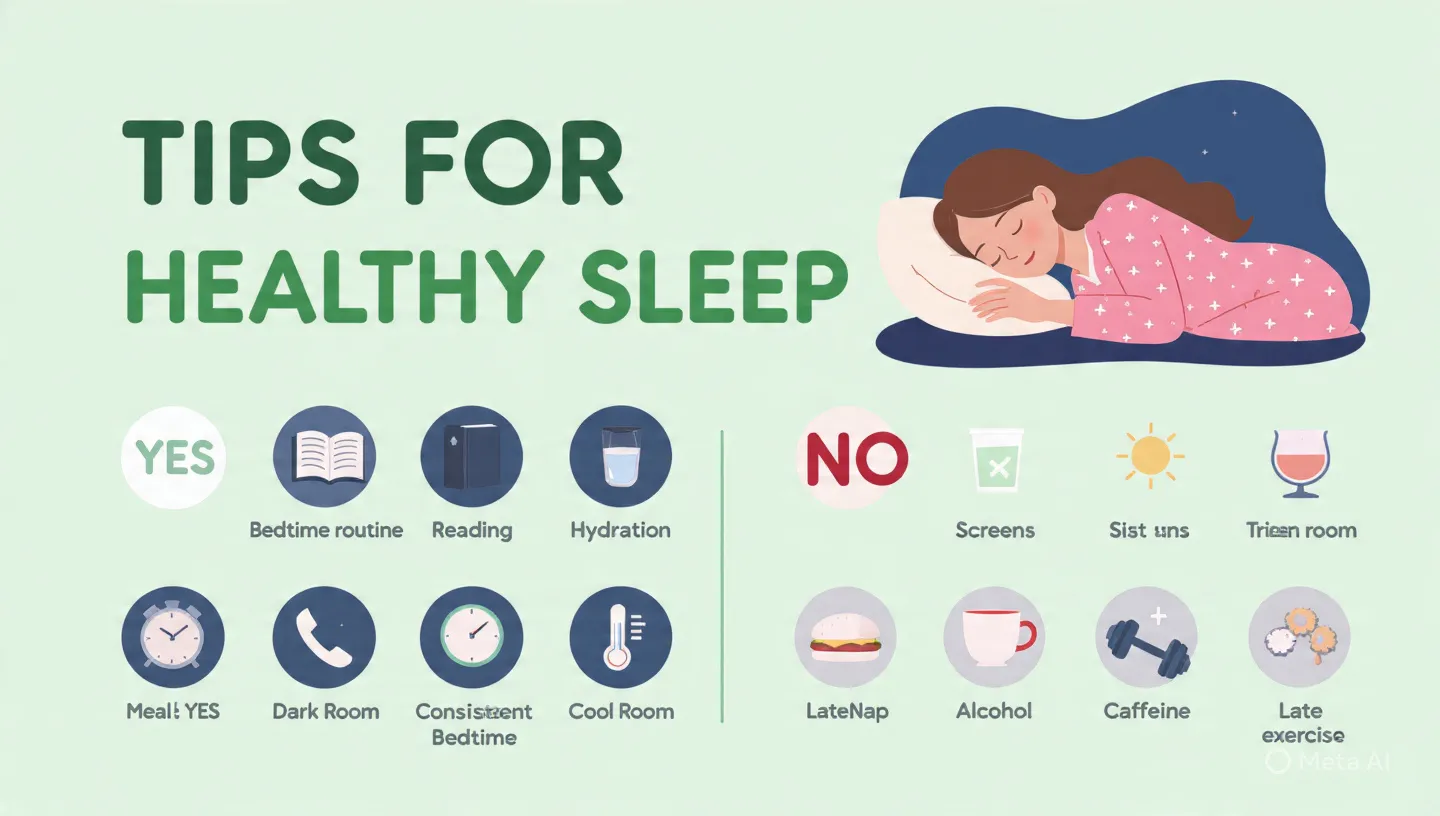
Create a relaxing evening routine by engaging in calming activities such as:
- Reading a book
- Listening to music
- Practicing yoga or meditation
- Taking a short walk
- Spending time with family
These activities help reduce stress and prepare your mind for restful sleep.
2. Stay Hydrated
Dehydration can negatively affect your mood and increase stress levels, making it harder to sleep.
Drinking a glass of warm water after dinner and about 1–2 hours before bedtime can support digestion and help your body relax. If you’ve consumed caffeine or alcohol during the day, make sure to drink extra water to stay properly hydrated.
3. Eat a Healthy Dinner
What you eat in the evening plays a big role in how well you sleep. A balanced dinner helps stabilize blood sugar levels and prevents sudden energy spikes or crashes.
A healthy evening meal should include:
- Complex carbohydrates (brown rice, whole grains)
- Lean protein (chicken, fish, eggs)
- Leafy green vegetables
For example, chicken is a great option because it keeps you full longer without causing blood sugar fluctuations.
4. Reduce Caffeine Intake in the Afternoon
Caffeine can stay in your system for 5–8 hours, depending on your body. Consuming coffee, tea, or energy drinks too late in the day can make it difficult to fall asleep.
To improve sleep quality, avoid caffeine after 4 PM. Instead, opt for herbal tea, fresh juice, or yogurt in the evening to relax your body.
5. Avoid Alcohol Before Bed
While alcohol may make you feel sleepy at first, it actually reduces sleep quality. It can disrupt your sleep cycle, cause dehydration, and lead to frequent waking during the night.
If you do drink alcohol, try to consume it earlier in the day and drink enough water afterward to minimize its effects.
6. Maintain a Consistent Sleep Schedule
Your body follows a natural circadian rhythm that regulates sleep and wake cycles. Going to bed and waking up at the same time every day helps your body develop a stable routine.
Consistency makes it easier to fall asleep naturally and wake up feeling energized. Even on weekends, try to stick to a similar schedule to maintain balance.
7. Limit Screen Time Before Bed
The blue light emitted from smartphones, TVs, and computers can suppress melatonin—the hormone responsible for sleep.
To improve your sleep:
- Turn off electronic devices at least one hour before bedtime
- Dim the lights in your room
- Create a dark, calm sleeping environment
This helps your brain recognize that it’s time to rest.
8. Do Light Stretching or Gentle Exercise
While intense workouts late at night may keep you awake, light physical activity can help you relax.
Gentle exercises such as:
- Stretching
- Yoga
- Walking
- Light cycling
These activities improve blood circulation, relax muscles, and activate your body’s relaxation response, making it easier to fall asleep.
Final Thoughts
Improving your sleep doesn’t require drastic changes—just a few healthy evening habits can make a big difference.
Start by relaxing your mind, eating well, reducing caffeine, and maintaining a consistent routine. Over time, these small habits will help you enjoy deeper, more restorative sleep.
Remember, quality sleep is not a luxury—it’s a necessity for a healthier, happier life.