
The Health Benefits of Sleep: Why Quality Rest Matters
Meta Description: Discover the powerful health benefits of sleep, from improved brain function to better immunity and heart health. Learn how to sleep better naturally.
Introduction: Why Sleep Is Essential
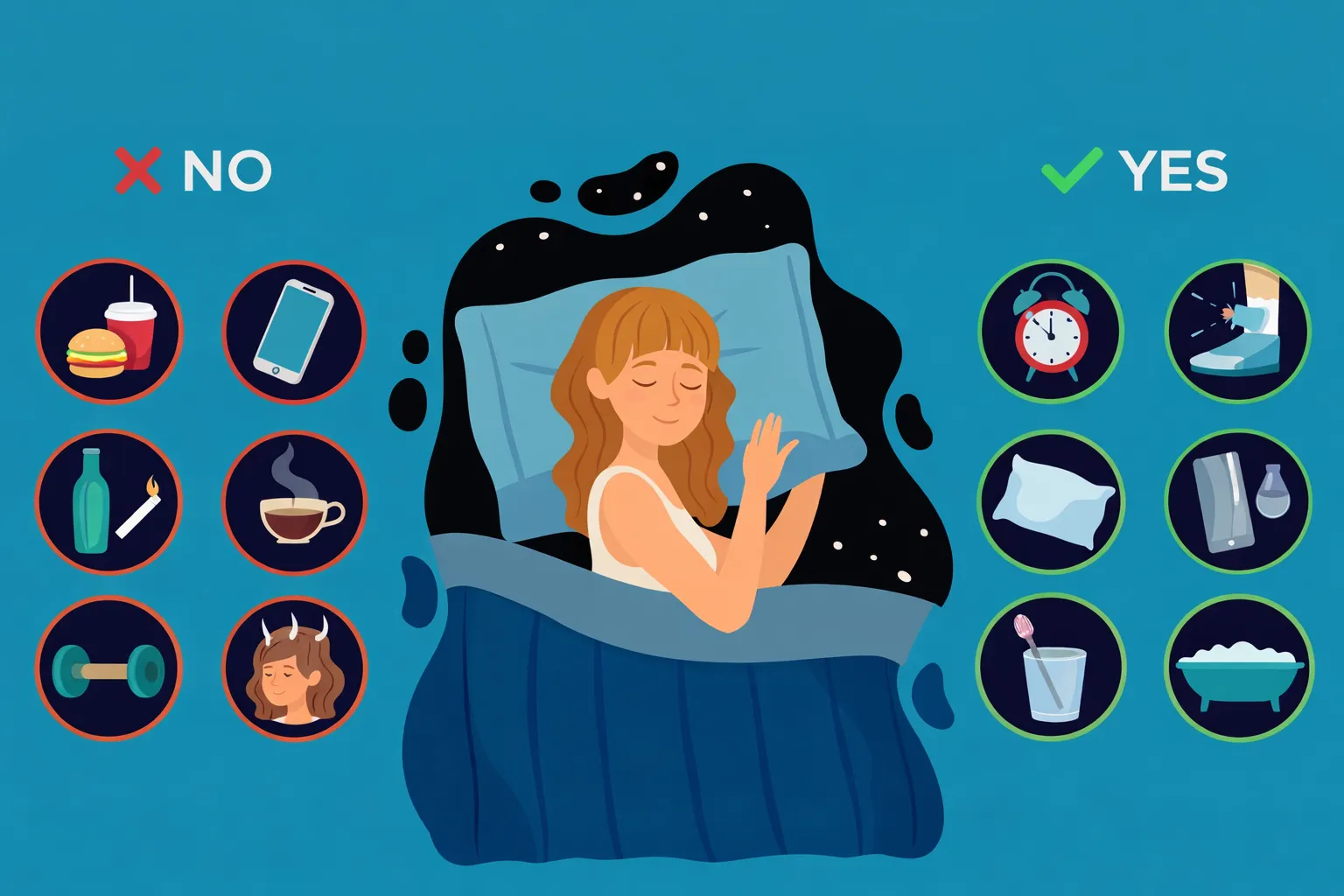
Just like healthy eating, staying hydrated, and exercising regularly, getting enough quality sleep is essential for overall health. While researchers are still uncovering the full science behind sleep, one thing is clear: a good night’s rest has a profound impact on both your body and mind.
Sleep is not simply a time when your body shuts down—it’s an active, complex biological process that helps you recover, recharge, and function at your best. In this article, we’ll explore how sleep works, its key health benefits, and why improving your sleep should be a top priority.
How Sleep Works
Sleep occurs in cycles that repeat throughout the night. These cycles include two main stages:
- Non-REM sleep: Focuses on physical recovery, tissue repair, and immune function
- REM (Rapid Eye Movement) sleep: Supports memory, learning, and emotional regulation
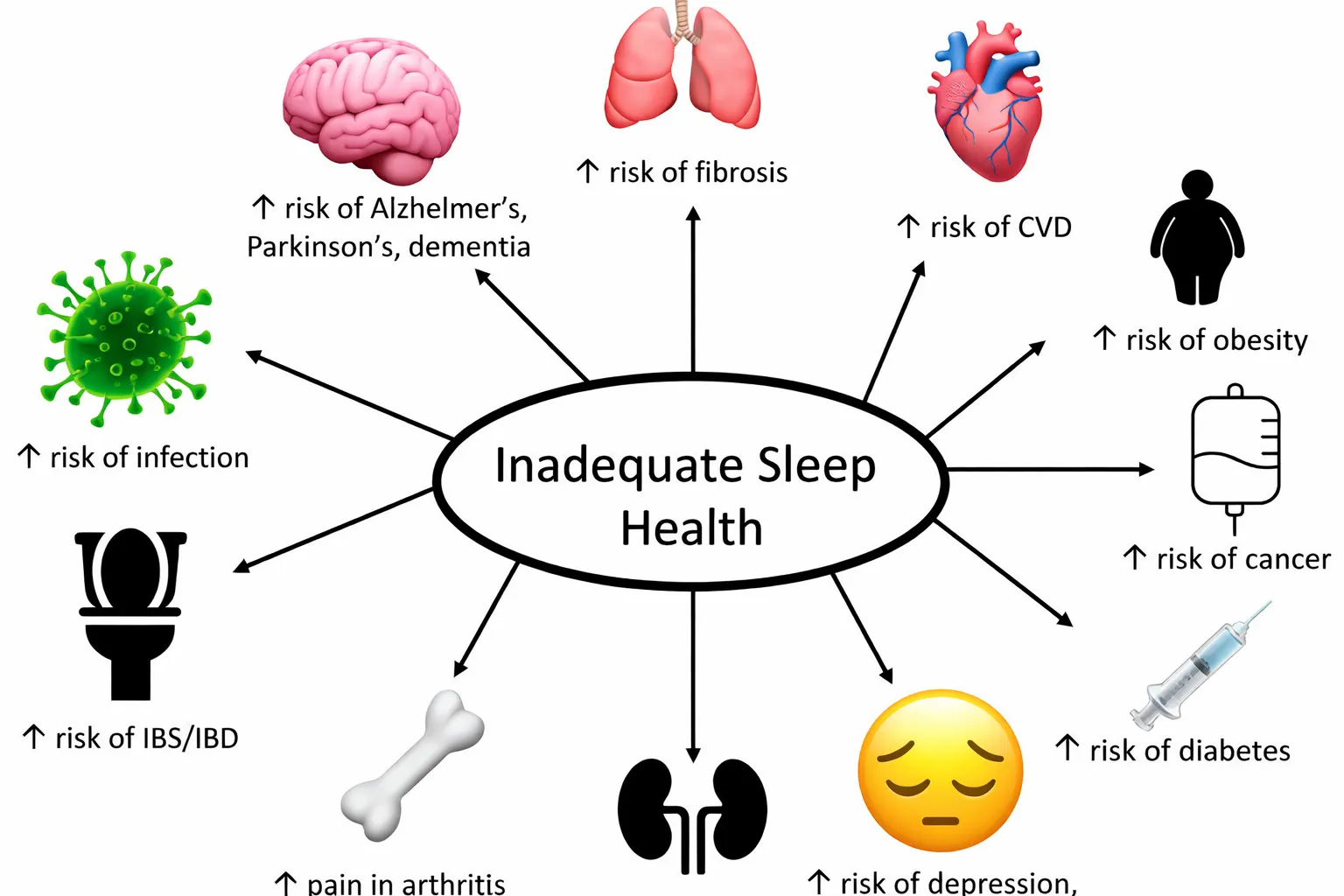
Each stage plays a vital role in restoring your body and brain. When sleep is disrupted or shortened, these processes are affected, leading to sleep deprivation—which can impact everything from mood and concentration to heart health and immunity.
1. Boosts Energy and Alertness
Getting enough sleep helps you wake up feeling refreshed and energized. It improves focus, reaction time, and productivity throughout the day.
On the other hand, lack of sleep can cause fatigue, daytime drowsiness, and reduced performance—whether at work, school, or even while driving.
2. Improves Mood and Mental Health
Sleep and mental health are closely connected. Poor sleep can lead to irritability, anxiety, and even depression.
Consistently getting quality sleep helps regulate emotions, improve mood, and enhance overall mental well-being. People who sleep well are generally more resilient to stress and better able to handle daily challenges.
3. Supports Muscle Recovery and Repair
Sleep is a critical time for physical recovery. During deep sleep, your body:
- Repairs damaged tissues
- Builds muscle
- Releases growth hormones
This is especially important if you exercise regularly. Without enough sleep, your body cannot recover effectively, which may slow down progress and increase injury risk.
4. Promotes Heart Health
Quality sleep supports cardiovascular health by:
- Lowering heart rate
- Reducing blood pressure
- Decreasing inflammation
Chronic sleep deprivation is linked to serious conditions such as high blood pressure, heart disease, and stroke. Prioritizing sleep is one of the simplest ways to protect your heart.
5. Helps Regulate Blood Sugar
Sleep plays an important role in metabolism and blood sugar control. Poor sleep can affect how your body responds to insulin, increasing the risk of type 2 diabetes.
Deep sleep helps your body maintain stable blood sugar levels, which is essential for long-term health.
6. Enhances Brain Function
While you sleep, your brain processes information, removes waste, and strengthens neural connections.
This leads to:
- Better memory
- Improved concentration
- Enhanced learning ability
- Clearer thinking and decision-making
Lack of sleep, on the other hand, can impair judgment and reduce cognitive performance.
7. Strengthens the Immune System
Adequate sleep helps your immune system function more effectively. During sleep, your body:
- Produces immune cells
- Fights inflammation
- Builds resistance against infections
People who don’t get enough sleep are more likely to get sick and may recover more slowly.
8. Reduces Stress Levels
Sleep helps regulate stress hormones and allows your brain to recover from daily pressures.
When you wake up well-rested, you’re more likely to feel calm, focused, and emotionally balanced. Poor sleep, on the other hand, can increase stress and anxiety levels.
9. Improves Physical Performance
Sleep is crucial for athletic performance and physical activity. It enhances:
- Strength and endurance
- Reaction time
- Coordination
- Muscle activation
It also reduces the risk of overtraining and injuries, making it essential for both athletes and active individuals.
10. Supports Healthy Weight Management
Sleep plays a key role in regulating hormones that control hunger and appetite.
When you don’t get enough sleep:
- You may feel hungrier
- Cravings for unhealthy foods increase
- The risk of weight gain rises
Combining good sleep with a healthy diet and regular exercise is key to maintaining a healthy weight.
Final Thoughts
Sleep is one of the most powerful tools for improving your overall health—yet it’s often overlooked.
By prioritizing quality sleep, you can:
- Boost energy and productivity
- Improve mental and emotional health
- Strengthen your immune system
- Reduce the risk of chronic diseases