
3 Proven Ways to Build Healthy Habits That Actually Last
Have you ever promised yourself to eat healthier, exercise more, or stop scrolling late at night—only to fall back into old habits after a few days? If so, you’re not alone.
Many people believe that success depends on willpower or discipline. But the truth is, lasting habits are not built on motivation alone. Instead, they are shaped by your environment, daily routines, and personal identity.
In this SEO-friendly guide, you’ll discover three simple and science-backed ways to build good habits sustainably—without relying on willpower.
Why Willpower Isn’t Enough
At the beginning of any change, motivation is usually high. But over time, life gets busy, stress increases, and your energy drops. That’s when habits break down.
The problem isn’t laziness—it’s the approach.
Research shows that habits become automatic through:
- Repetition
- Environmental cues
- Consistent routines
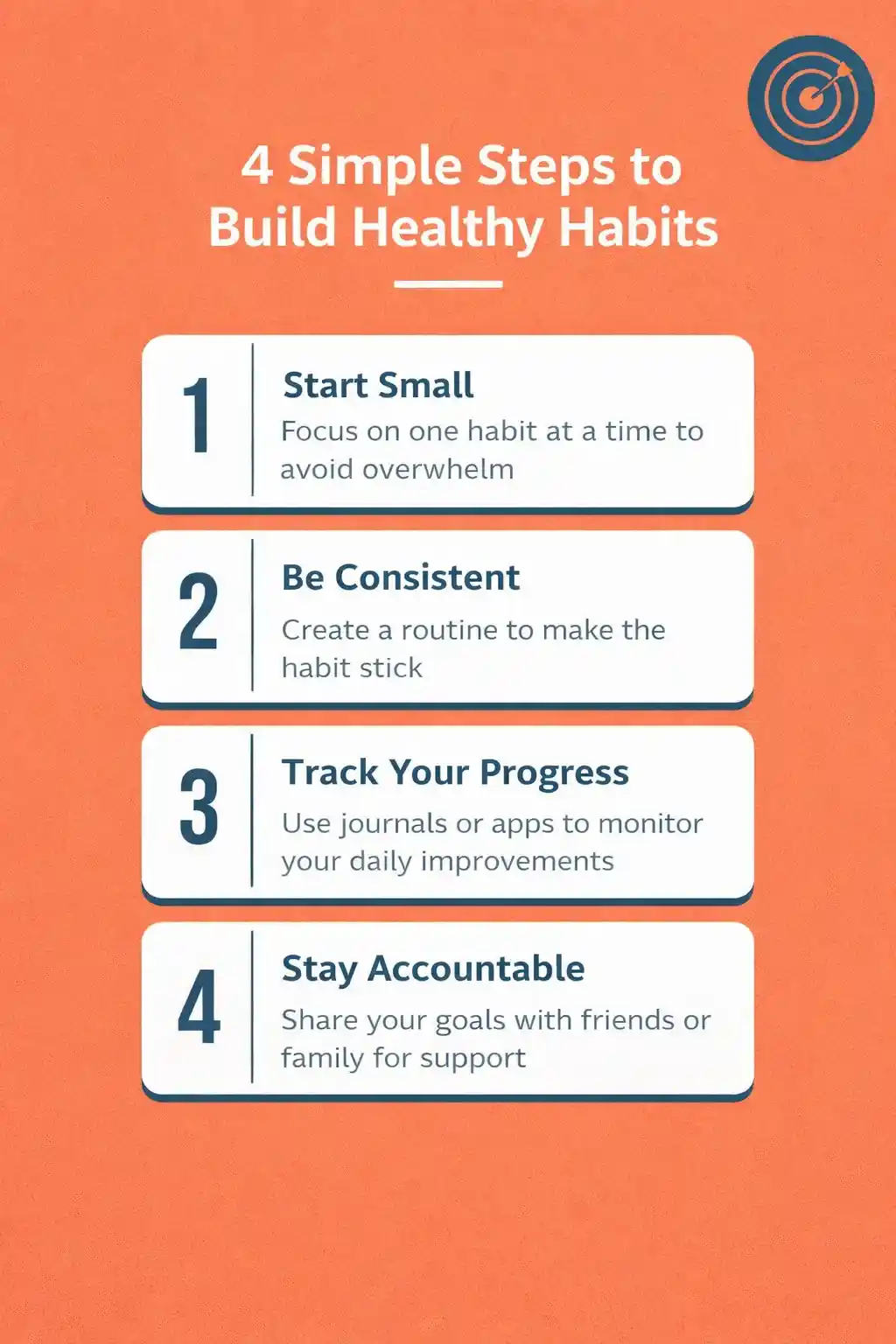
Instead of forcing change, you need systems that make good habits easier to follow.
1. Stack New Habits onto Existing Routines
One of the most effective strategies for building habits is habit stacking—linking a new habit to something you already do daily.
How It Works
You take an existing habit (which is already automatic) and attach a new behavior to it.
For example:
- After making your morning coffee → write one thing you’re grateful for
- After brushing your teeth → do 5 minutes of stretching
- After coming home from work → change into workout clothes
This works because your brain already recognizes the first habit as a trigger.
Why Habit Stacking Is Powerful
A study involving adults over 84 days found that:
- Linking habits to existing routines or specific times increased consistency
- Repetition was the strongest predictor of success
- On average, it took about 59 days for habits to feel automatic
The key takeaway?
Small, repeated actions tied to daily routines lead to long-term change.
2. Design Your Environment for Success
Your environment has a bigger impact on your behavior than you think.
From what you see to what’s easily accessible, your surroundings constantly influence your decisions—often without you realizing it.
Make Good Habits Easy
If you want to build better habits, redesign your environment so the right choices become the default.
Examples:
- Keep fruits visible on the kitchen counter
- Place workout clothes near your bed
- Keep a water bottle on your desk
Make Bad Habits Hard
At the same time, reduce exposure to triggers that lead to unhealthy behaviors.
Examples:
- Store junk food out of sight
- Turn off notifications on your phone
- Leave your phone in another room before bed
A 2020 review of 88 studies found that small environmental changes—like reminders or prompts—significantly improved behavior in 68% of cases.
The Bottom Line
You don’t need more discipline—you need a better environment.
When your surroundings support your goals, good habits feel natural instead of forced.
3. Build Habits Around Your Identity
One of the most powerful (and often overlooked) ways to create lasting habits is to align them with your identity.
Instead of focusing on what you want to do, focus on who you want to become.
Shift Your Mindset
Compare these two approaches:
- “I want to exercise more”
- “I am someone who takes care of my health”
The second statement is identity-based—and much more powerful.
Why Identity Matters
Your actions tend to match your self-image.
If you believe:
- “I am a healthy person” → you’re more likely to eat well
- “I am a reader” → you’re more likely to read daily
- “I am disciplined” → you’re more likely to follow routines
Each small action reinforces that identity, creating a positive cycle.
How to Apply This Strategy
Start by choosing the identity you want to build:
- A fit person
- A focused worker
- A calm and mindful individual
Then ask yourself:
“What would this type of person do right now?”
Over time, your habits and identity will align naturally.
How to Make These Habits Stick
To maximize your success, combine all three strategies:
- Stack habits onto existing routines
- Design your environment to support good choices
- Align habits with your identity
And remember:
- Start small
- Stay consistent
- Focus on progress, not perfection
Final Thoughts
Building healthy habits doesn’t require extreme discipline or drastic life changes. It’s about creating systems that work with your brain—not against it.
By:
- Linking habits to your daily routine
- Shaping your environment
- Becoming the person you want to be
…you can create lasting change that feels effortless over time.