
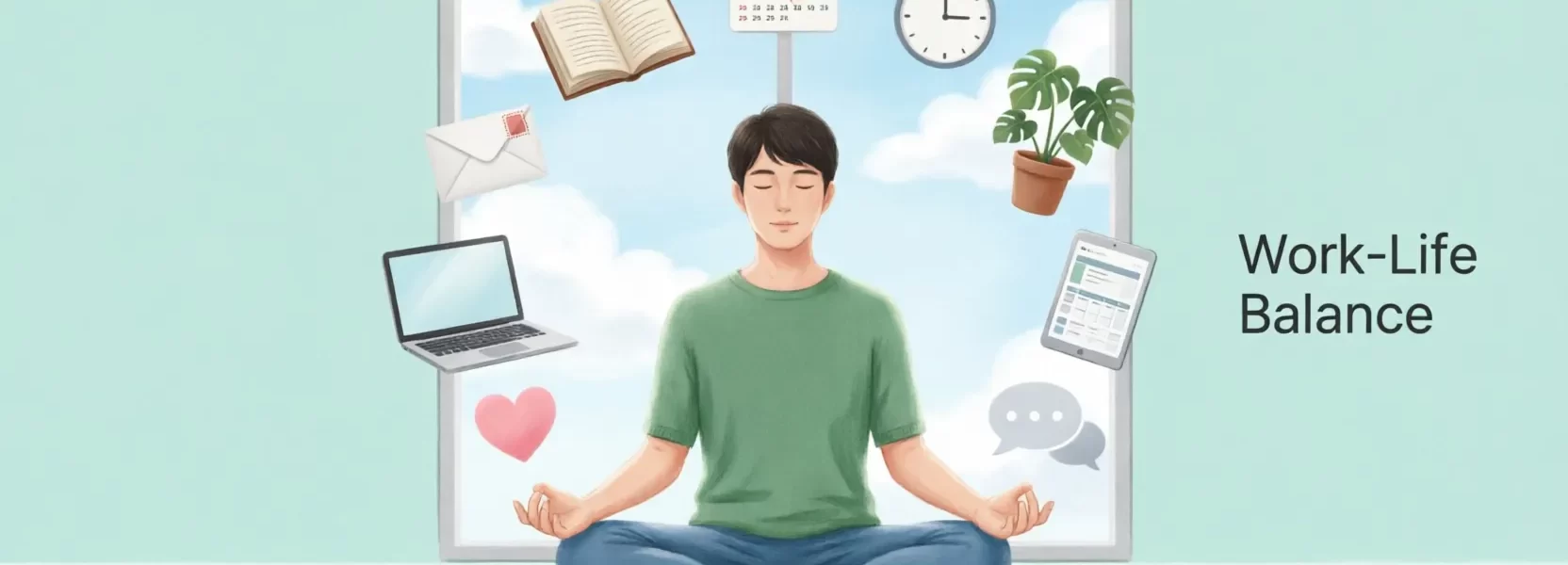

How to Balance Work and Life Effectively: Practical Tips for a Happier You
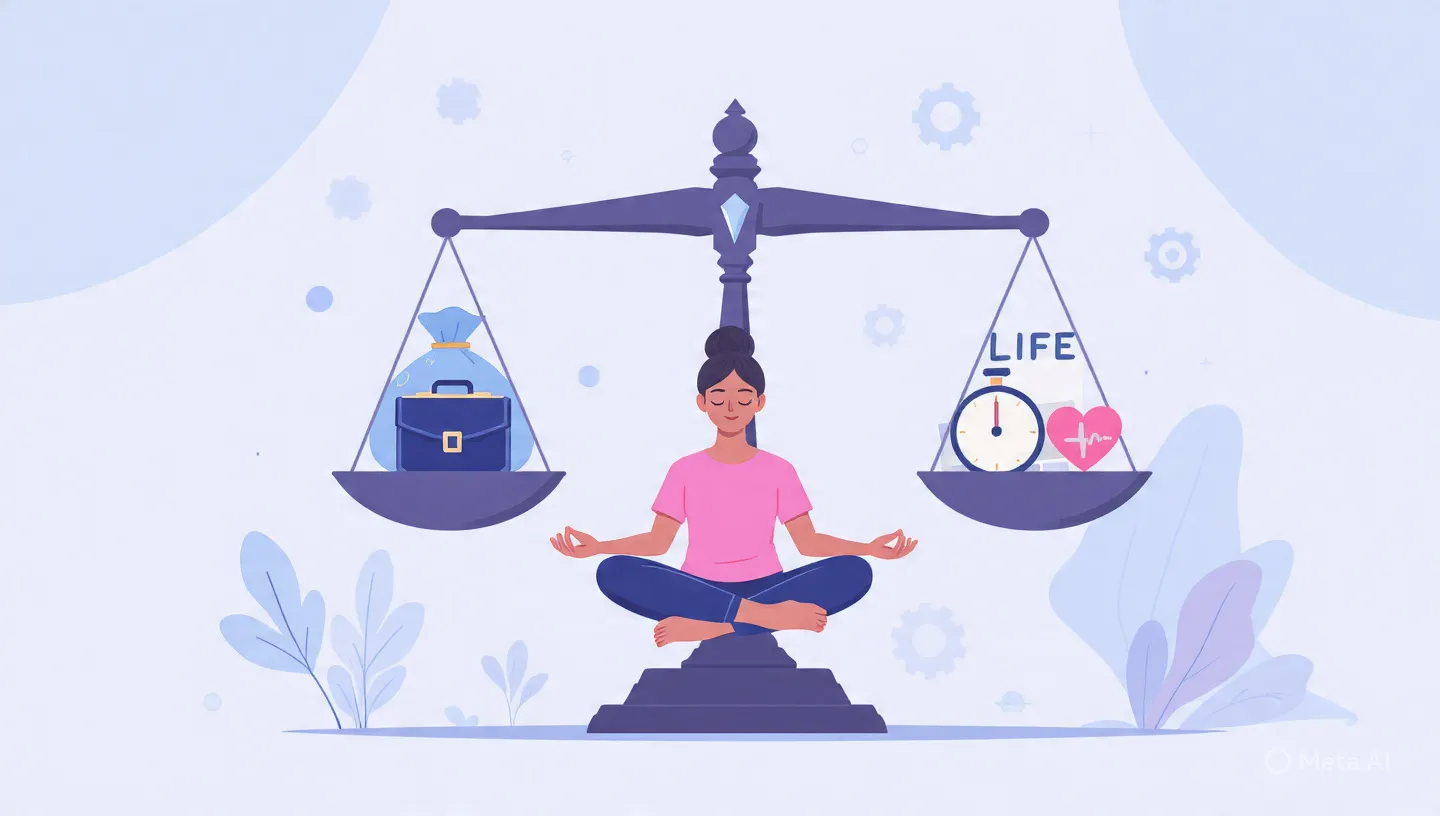
In today’s fast-paced world, life often feels increasingly busy as we grow older, start working, and take on more responsibilities. While careers demand more time and energy, personal life continues to evolve alongside it. So, how can you maintain a healthy balance between work and life without neglecting either? Let’s explore the causes of imbalance, why balance matters, and practical strategies to help you regain control.
What Causes Work-Life Imbalance?

Before finding solutions, it’s important to understand the root causes of imbalance between work and personal life.
1. Increased Work Responsibilities
As you advance in your career, you naturally take on more responsibilities. Promotions and new roles often come with heavier workloads and higher expectations. This can consume a significant portion of your daily time, leaving little room for personal activities or relaxation.
2. Growing Family Responsibilities
At different stages of life, personal responsibilities also increase. Marriage, raising children, and caring for aging parents all require time and attention. These commitments can sometimes clash with work demands, making it harder to focus fully on either aspect.
3. Financial Pressure
The need to cover living expenses and achieve financial stability can push many people to prioritize work above everything else. Over time, this may lead to neglecting hobbies, relationships, and self-care.
Why Is Work-Life Balance Important?
Maintaining a balance between work and personal life is essential for long-term well-being and success.
Boosts Work Productivity
Constantly working without breaks can lead to burnout, fatigue, and health issues such as headaches or digestive problems. Taking time for yourself helps reduce stress, improves mental clarity, and ultimately enhances your productivity at work.
Improves Physical and Mental Health
A balanced lifestyle allows you to engage in activities like exercise, hobbies, and socializing. These not only improve physical health—reducing risks of heart disease, high blood pressure, and weight gain—but also protect your mental health by lowering the chances of anxiety, depression, and insomnia.
Increases Happiness and Life Satisfaction
When you allocate time for both work and personal enjoyment, you create a more fulfilling life. Having moments to relax, pursue passions, and connect with loved ones helps maintain a positive mindset and emotional well-being.
How to Achieve Work-Life Balance
Now that you understand the importance of balance, here are practical strategies you can apply in your daily life.
1. Make Time for Yourself
One of the most important steps is to prioritize yourself. Start with simple habits like taking a proper lunch break and resting for 15–30 minutes to recharge. After work, disconnect from job-related thoughts and spend time doing things you enjoy—whether it’s dining out, meeting friends, or relaxing at home.
2. Build Healthy Habits
Creating positive routines can significantly improve your balance. Ensure you get enough sleep, exercise regularly, and participate in activities that bring you joy. Sports like swimming, football, or badminton, as well as hobbies such as playing musical instruments, dancing, or chess, can help you relax while improving your physical and mental health.
3. Use Your Time Wisely
Time management plays a crucial role in maintaining balance. Avoid mixing work time with personal activities and vice versa. When you’re working, focus fully on your tasks. When you’re off work, allow yourself to disconnect and enjoy personal time. This clear separation helps reduce distractions and increases efficiency.
4. Learn to Say “No”
Knowing when to say “no” is a powerful skill. Decline unnecessary overtime work when possible, and avoid personal distractions during working hours. Setting boundaries helps you stay disciplined and prevents overload. It also allows you to focus on what truly matters in both your career and personal life.
5. Prioritize What Matters Most
Not all tasks and commitments are equally important. Evaluate your responsibilities and focus on those that bring the most value to your life. By setting priorities, you can allocate your time and energy more effectively without feeling overwhelmed.
Final Thoughts
Achieving work-life balance is not about splitting your time equally but about creating harmony between your professional and personal priorities. By understanding the causes of imbalance and applying simple yet effective strategies, you can build a healthier, more fulfilling lifestyle.
Remember, success is not only measured by career achievements but also by your happiness, health, and relationships. Start making small changes today, and you’ll gradually create a life where both work and personal well-being thrive together.