

What Is Detox? The Truth About “Body Cleansing” from a Medical Perspective

In recent years, the term detox has become a major trend in health and wellness. From juice cleanses and herbal teas to strict diets and supplements, many people believe these methods can “flush toxins” out of the body and improve overall health. But is detox really necessary—or even effective?
This article explores what detox truly means, how the body naturally eliminates toxins, and what science says about popular detox methods.
What Is Detox?
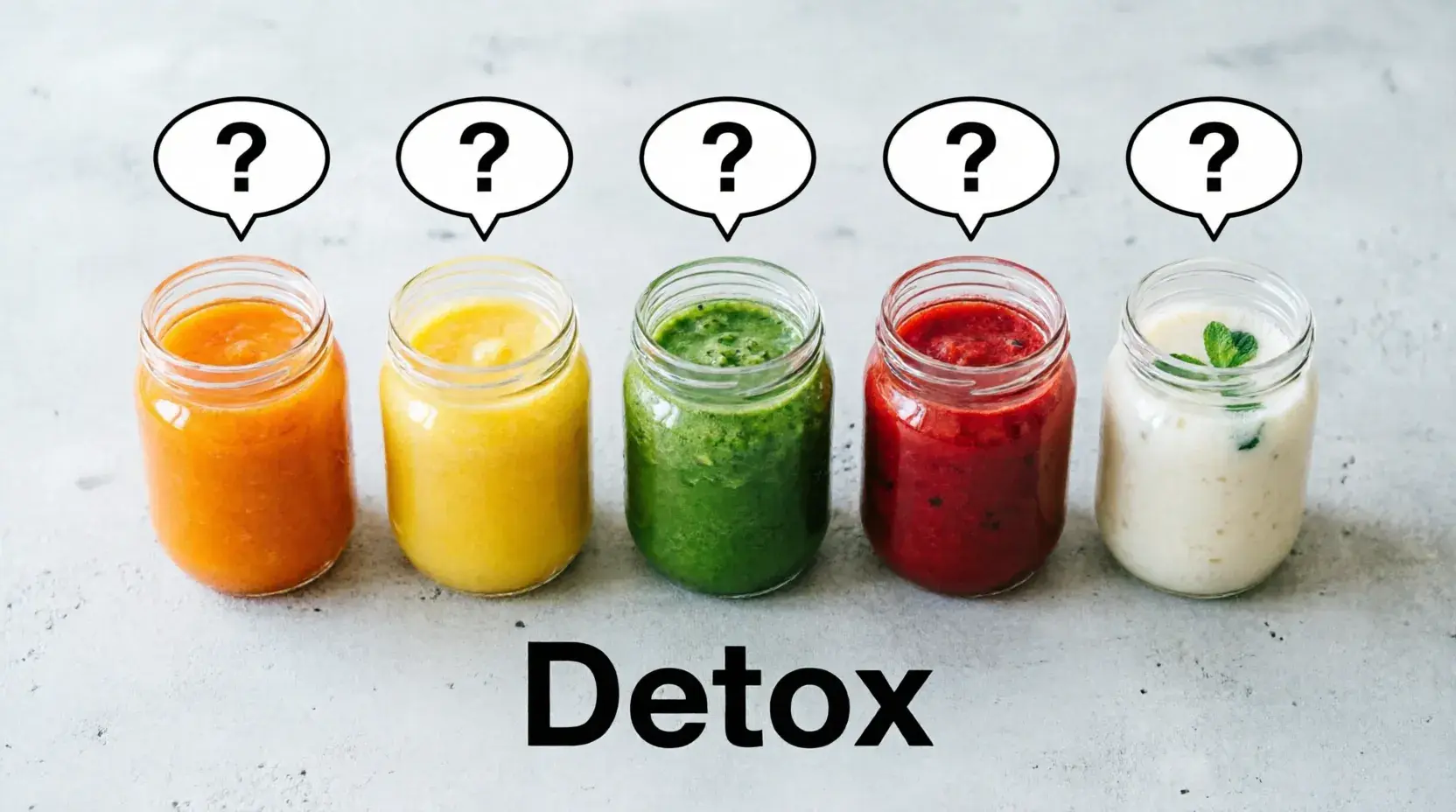
Detox, short for detoxification, refers to the process of removing harmful substances from the body. In medical terms, detoxification is a natural and continuous function carried out by vital organs such as the liver and kidneys.
However, in popular culture, detox often refers to external methods like juice cleanses, fasting, or special products marketed to “cleanse” the body. While these approaches are widely promoted, they don’t always align with scientific evidence.
Understanding the difference between natural detoxification and commercial detox trends is essential for making informed health decisions.
How Does the Body Naturally Detox?
Before considering any detox program, it’s important to recognize that the human body already has a highly efficient system for eliminating toxins.
The Role of the Liver
The liver is the body’s primary detox organ. It processes harmful substances such as alcohol, medications, and metabolic waste, converting them into less toxic forms that can be safely removed.
This process involves complex enzymes that break down toxins into compounds that can be excreted through bile or urine.
The Role of the Kidneys
The kidneys act as the body’s filtration system. They continuously filter the blood, removing waste products and excess substances through urine. This function is essential for maintaining fluid balance and overall health.
Other Detox Organs
In addition to the liver and kidneys, several other organs contribute to detoxification:
- Intestines: Eliminate waste through bowel movements
- Lungs: Expel carbon dioxide during breathing
- Skin: Releases small amounts of waste through sweat
When these systems are functioning properly, the body can effectively detoxify itself without the need for special interventions.
Popular Detox Methods Today
Despite the body’s natural ability to detox, many external methods are heavily promoted. Here are some of the most common:
Juice Cleanses
This method involves consuming only fruit and vegetable juices for several days. It is often marketed as a way to “reset” the digestive system and remove toxins.
Herbal Detox Teas
Certain teas claim to support liver function, promote weight loss, or cleanse the body. While some herbs may have mild health benefits, their detox effects are often exaggerated.
Fasting or Restrictive Diets
Some detox plans involve cutting out entire food groups or significantly reducing calorie intake. Intermittent fasting is also sometimes marketed as a detox method.
Detox Supplements
Pills and powders claiming to cleanse the liver or eliminate toxins are widely available. However, many lack scientific validation and may not deliver the promised results.
Does Detox Really Work?
Medical Perspective
From a scientific standpoint, a healthy body already detoxifies itself efficiently. For most people, additional detox methods are unnecessary unless there is a specific medical condition requiring treatment.
Real-World Results
Some individuals report feeling lighter or more energized after detox programs. However, these effects are often due to reduced calorie intake or temporary water loss—not actual toxin removal.
Scientific Evidence
Current research does not provide strong evidence that popular detox methods significantly enhance the body’s ability to eliminate toxins. This highlights the importance of approaching detox trends with caution.
Potential Risks of Detoxing
While detox programs may seem harmless, extreme or unregulated approaches can negatively impact your health.
Nutrient Deficiency
Restrictive diets or juice-only plans may lack essential nutrients like protein, vitamins, and healthy fats.
Electrolyte Imbalance
Sudden dietary changes can disrupt electrolyte levels, leading to fatigue, dizziness, or weakness.
Digestive Issues
Some detox methods may cause diarrhea or interfere with normal digestion.
Harmful Products
Unregulated detox supplements may contain ingredients that can damage the liver or kidneys, especially with long-term use.
Safe Ways to Support Natural Detox
Instead of relying on extreme detox programs, focus on habits that support your body’s natural processes:
Stay Hydrated
Drinking enough water helps the kidneys function properly and supports waste elimination.
Eat a Balanced Diet
Include fruits, vegetables, whole grains, and lean proteins to provide essential nutrients and fiber.
Limit Alcohol and Smoking
Reducing these substances lowers the burden on your liver and improves overall health.
Get Enough Sleep
Quality sleep supports recovery and helps regulate metabolic processes.
Exercise Regularly
Physical activity improves circulation, boosts metabolism, and enhances organ function.
These habits are often referred to as “scientific detox” because they support the body’s natural systems rather than replacing them.
Frequently Asked Questions
Is detox necessary?
For healthy individuals, detox is not essential since the body already has effective detox systems.
Can detox help with weight loss?
Weight loss from detox is usually temporary and mainly due to reduced calories or water loss.
Should you drink detox water daily?
Yes, in moderation. However, it should not replace balanced meals.
Do liver detox products work?
There is no strong evidence proving that these products significantly improve liver function.
Final Thoughts
Detox is often misunderstood in the world of health and wellness. While the idea of “cleansing the body” sounds appealing, the truth is that your body already performs this function naturally and efficiently.
Rather than chasing quick fixes, focus on building a healthy lifestyle with proper nutrition, regular exercise, and adequate rest. These long-term habits are the most effective way to support your body, maintain energy, and achieve lasting well-being.