
Warning Signs of Poor Health: Symptoms of Physical Exhaustion You Shouldn’t Ignore

Warning Signs of Poor Health: Symptoms of Physical Exhaustion You Shouldn’t Ignore
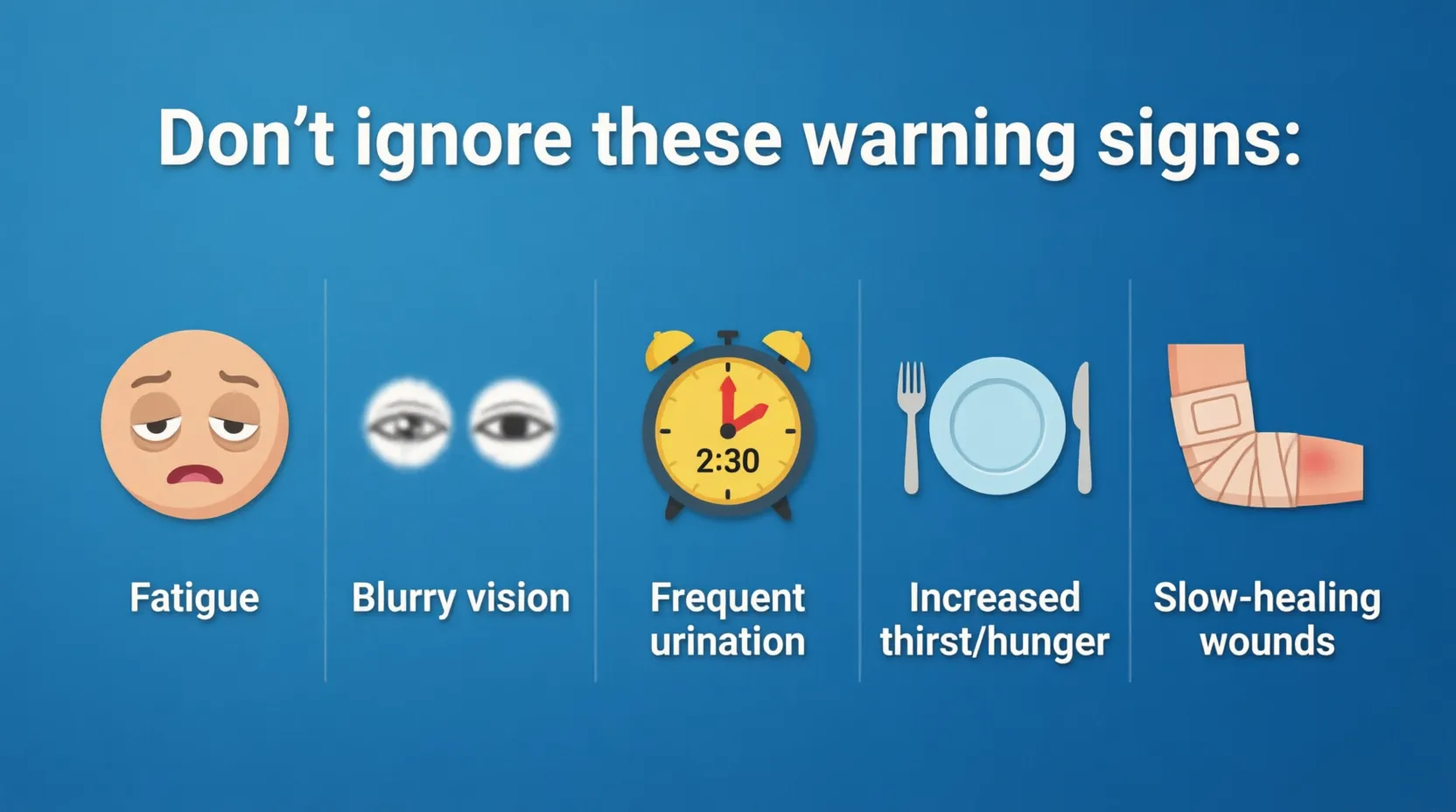
In today’s fast-paced world, many people push their bodies to the limit without realizing the consequences. Persistent fatigue, low energy, and declining performance at work or in daily life may not simply be “normal tiredness”—they could be warning signs of physical exhaustion. Ignoring these symptoms can lead to more serious health complications over time.
This article will help you understand the common signs of poor health, the causes of physical exhaustion, and practical ways to restore your energy and well-being.
What Is Physical Exhaustion?
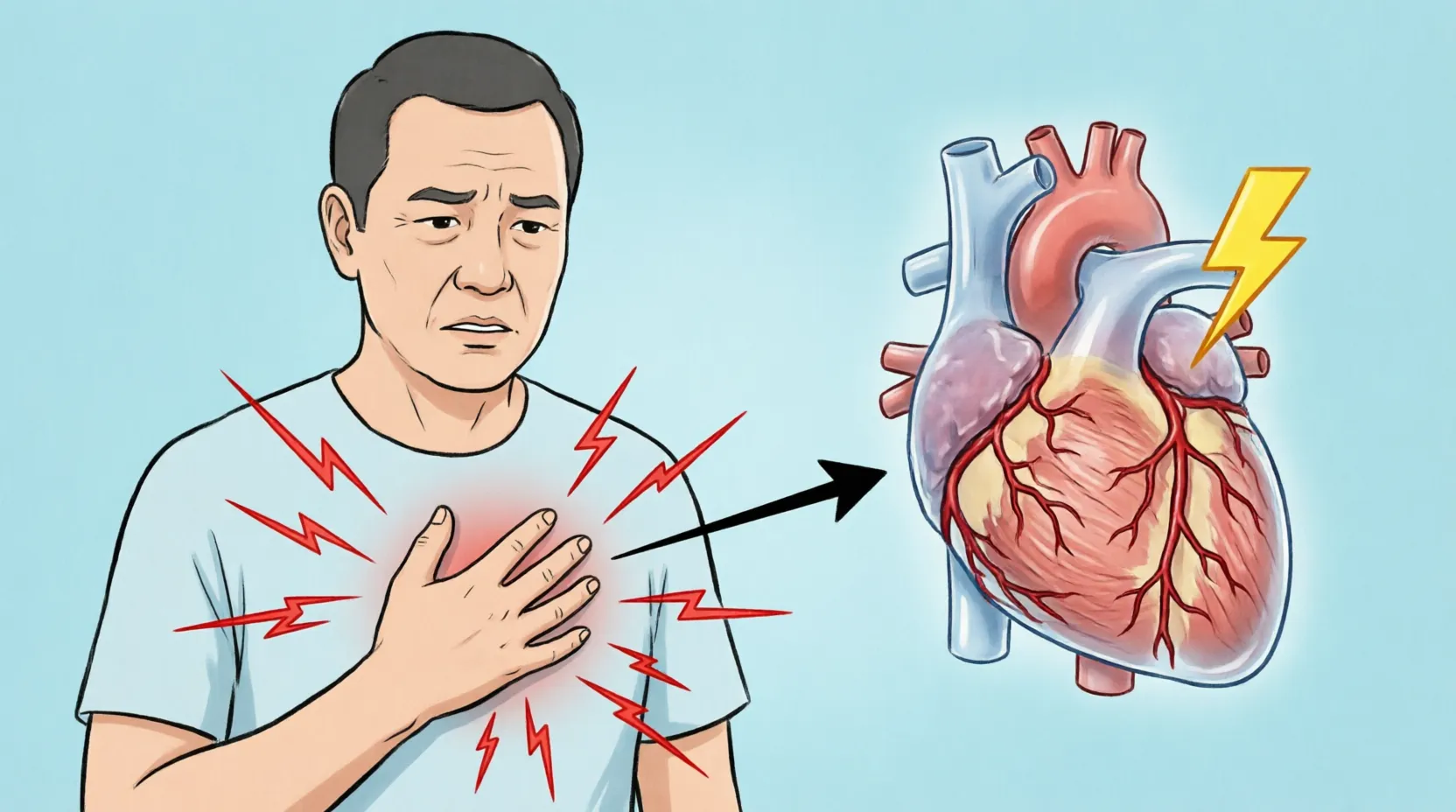
Physical exhaustion is a condition in which the body feels constantly tired, weak, and lacking vitality. People experiencing this condition often struggle with concentration, motivation, and overall productivity. It may also be accompanied by symptoms such as poor appetite, weight loss, sleep disturbances, and memory decline.
Although anyone can experience physical exhaustion, it is most common among adults aged 20–40. This is often due to work pressure, long hours, and the stress of balancing career and personal responsibilities. Many individuals may not even realize they are dealing with this condition until it significantly impacts their health.
Common Causes of Physical Exhaustion
Understanding the root causes is essential for recovery. Below are the most common factors contributing to declining health and chronic fatigue:
1. Overworking and Lack of Rest
Working long hours without sufficient breaks can drain your energy reserves. Over time, this leads to burnout, reduced immunity, and overall physical weakness.
2. Underlying Medical Conditions
Health issues such as anemia, infections, high blood pressure, or weakened immunity can contribute to long-term fatigue. Viral infections and chronic illnesses may also silently affect your energy levels.
3. Poor Nutrition
A diet lacking essential nutrients can deprive your body of the fuel it needs to function properly. People who skip meals, follow extreme diets, or have unbalanced eating habits are especially at risk.
4. Mental Health Issues
Conditions such as anxiety, chronic stress, and depression can negatively affect both physical and emotional health. Poor sleep, lack of appetite, and constant overthinking can gradually lead to exhaustion.
5. Other Factors
Pregnancy, aging, or reduced appetite in older adults can also result in insufficient nutrient intake, contributing to fatigue and weakness.
Key Warning Signs of Poor Health
Recognizing the symptoms early can help prevent more serious complications. Here are the most common signs of physical exhaustion:
Persistent Fatigue
One of the most noticeable symptoms is constant tiredness that doesn’t improve with rest. You may feel drained, sluggish, and unmotivated throughout the day. In severe cases, overexertion can even lead to dizziness or fainting.
Frequent Illness
A weakened immune system makes you more susceptible to common illnesses such as colds, sore throat, or respiratory infections. If you find yourself getting sick often, your body may be signaling a deeper issue.
Poor Sleep Quality
Difficulty falling asleep, staying asleep, or experiencing restful sleep is another major warning sign. Sleep deprivation not only worsens fatigue but also affects memory, focus, and emotional stability.
Loss of Appetite and Weight Changes
People with physical exhaustion often experience reduced appetite, nausea, or unintended weight loss. This further worsens the condition by depriving the body of essential nutrients.
Mental Instability
Mood swings, irritability, anxiety, and lack of motivation are common. Over time, these symptoms may develop into more serious mental health conditions if left unaddressed.
Why You Shouldn’t Ignore These Signs
Physical exhaustion doesn’t just affect your daily performance—it can lead to serious health risks if ignored. Long-term fatigue is linked to weakened immunity, cardiovascular issues, and chronic diseases.
Early detection and lifestyle adjustments are key to preventing complications. Regular health check-ups can also help identify underlying conditions before they become severe.
How to Recover and Improve Your Health
Fortunately, physical exhaustion can often be reversed with the right lifestyle changes. Here are some practical strategies:
1. Build a Balanced Routine
Create a daily schedule that includes adequate work, rest, and relaxation. Avoid overworking and make time for recovery.
2. Improve Your Diet
Focus on a balanced diet rich in proteins, healthy fats, vitamins, and minerals. Include fresh fruits, vegetables, whole grains, and lean protein sources in your meals.
3. Prioritize Sleep
Aim for 7–9 hours of quality sleep each night. Establish a consistent sleep schedule and avoid screens before bedtime.
4. Exercise Regularly
Light to moderate physical activity, such as walking, yoga, or strength training, can boost energy levels and improve overall health.
5. Manage Stress
Practice relaxation techniques such as meditation, deep breathing, or mindfulness to reduce mental strain.
Final Thoughts
Physical exhaustion is more than just feeling tired—it’s a signal that your body needs attention. By recognizing the early warning signs and making healthy lifestyle changes, you can restore your energy, improve your well-being, and prevent long-term health issues.
Remember, your health is your most valuable asset. Taking care of your body today will ensure a stronger, healthier future.