
Minimalism: Simplify Your Life, Maximize Your Value
In today’s fast-paced world, it’s easy to feel overwhelmed by possessions, information, and endless responsibilities. That’s why minimalism has become an increasingly popular lifestyle choice—especially among young people seeking clarity, balance, and purpose.
But what exactly is minimalism, and how can it improve your life? Let’s explore the meaning, benefits, and practical ways to embrace a minimalist lifestyle.
What Is a Minimalist Lifestyle?
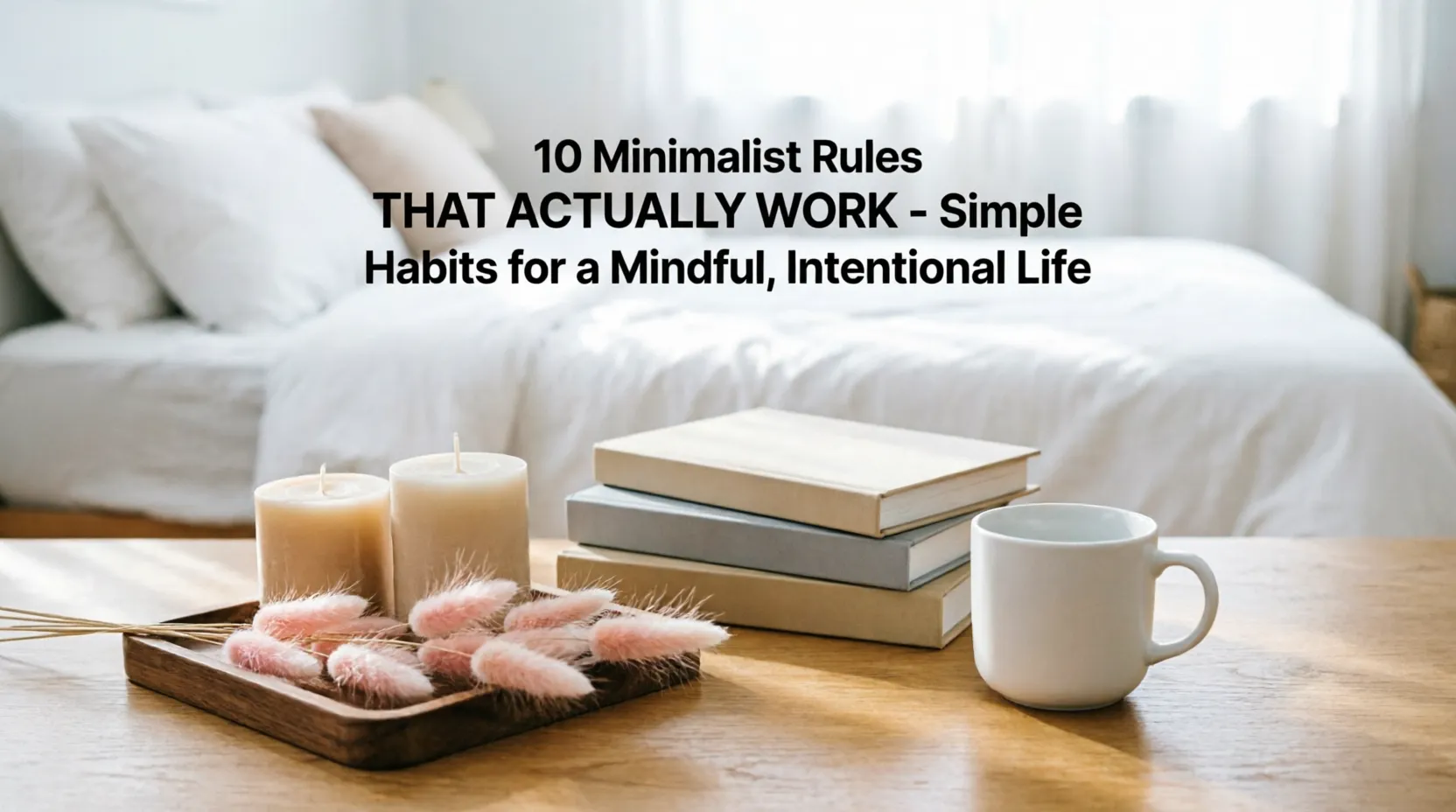
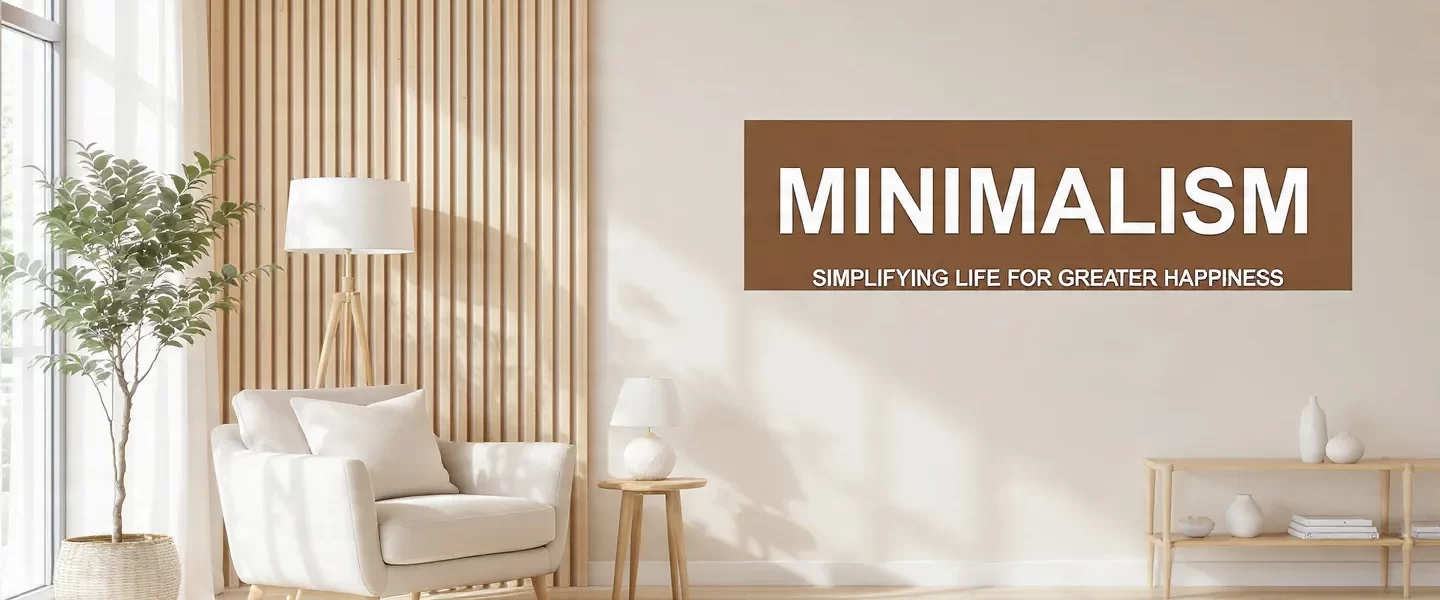
Minimalism is a way of living that focuses on reducing excess and keeping only what truly matters. It encourages limiting unnecessary consumption, avoiding clutter, and prioritizing items and activities that bring real value and joy.
According to Fumio Sasaki, a minimalist is someone who understands what is essential in their life and chooses to keep only those meaningful things.
Minimalism is not just about decluttering your physical space—it also applies to:
- The information you consume
- The relationships you maintain
- The activities you prioritize
In simple terms, minimalism is about making intentional choices to live a more meaningful life.
Benefits of Minimalism
Adopting a minimalist lifestyle can positively impact many areas of your life.
1. Improved Mental Health
One of the biggest advantages of minimalism is reduced stress. When you own fewer things, you spend less time managing, organizing, and worrying about them.
A clutter-free environment promotes a sense of calm, allowing your mind to relax. Studies have shown that reducing excess possessions can increase positive emotions and decrease anxiety.
You’ll feel lighter, freer, and more in control of your life.
2. Better Financial Management
Minimalism also helps you save money. By buying only what you truly need, you avoid unnecessary expenses.
Instead of spending on impulse purchases, you can invest in meaningful experiences such as:
- Education
- Travel
- Personal development
This shift in spending habits leads to long-term financial stability and smarter money management.
3. Environmental Protection
Minimalism supports sustainable living. By consuming less, you reduce waste and lower your environmental impact.
Choosing durable, recyclable, and eco-friendly products helps protect the planet. It also encourages companies to adopt more sustainable production methods.
In fact, minimalism aligns closely with global sustainability efforts, such as responsible consumption and climate action initiatives.
Practical Tips to Start a Minimalist Lifestyle
You don’t need to make drastic changes overnight. Start small and gradually simplify different areas of your life.
1. Declutter Your Living Space
Begin by organizing your room or home. Use shelves and storage solutions to maximize space and keep everything tidy.
A clean, organized environment not only improves productivity but also creates a sense of peace and comfort.
2. Reduce Personal Belongings
Take a closer look at your belongings and ask yourself:
- Do I really need this?
- Does it add value to my life?
For clothing, choose versatile pieces that can be worn in different situations. For books and study materials, keep only what is truly useful.
Less clutter means less stress and more clarity.
3. Budget and Shop Smart
Creating a monthly budget is essential for minimalist living. Plan your expenses carefully and avoid buying things you don’t need.
Before making a purchase:
- Compare prices
- Consider long-term value
- Ask yourself if it’s truly necessary
This habit helps you take control of your finances and avoid waste.
4. Choose Sustainable Products
Prioritize high-quality items that last longer and can be reused or recycled. While they may cost more initially, they save money in the long run and reduce environmental impact.
Choosing eco-friendly products is not just good for the planet—it’s also a healthier choice for you.
5. Manage Your Time Effectively
Minimalism isn’t only about physical items—it’s also about how you use your time.
Plan your daily, weekly, and monthly activities to stay organized. Focus on meaningful tasks and eliminate unnecessary distractions.
This allows you to create more time for:
- Personal growth
- Social connections
- Relaxation
Final Thoughts: Less Is More
Minimalism doesn’t mean giving up everything—it means keeping what truly matters.
By removing unnecessary clutter from your life, you make space for clarity, happiness, and purpose. You’ll begin to appreciate simple moments, build stronger relationships, and live more intentionally.
If you feel overwhelmed by the chaos of modern life, minimalism might be the solution you’ve been looking for.
Start today: simplify your life, and you’ll discover that less truly is more.