
Physical Activity and Mental Health: An Essential Connection You Shouldn’t Ignore

Physical Activity and Mental Health: An Essential Connection You Shouldn’t Ignore
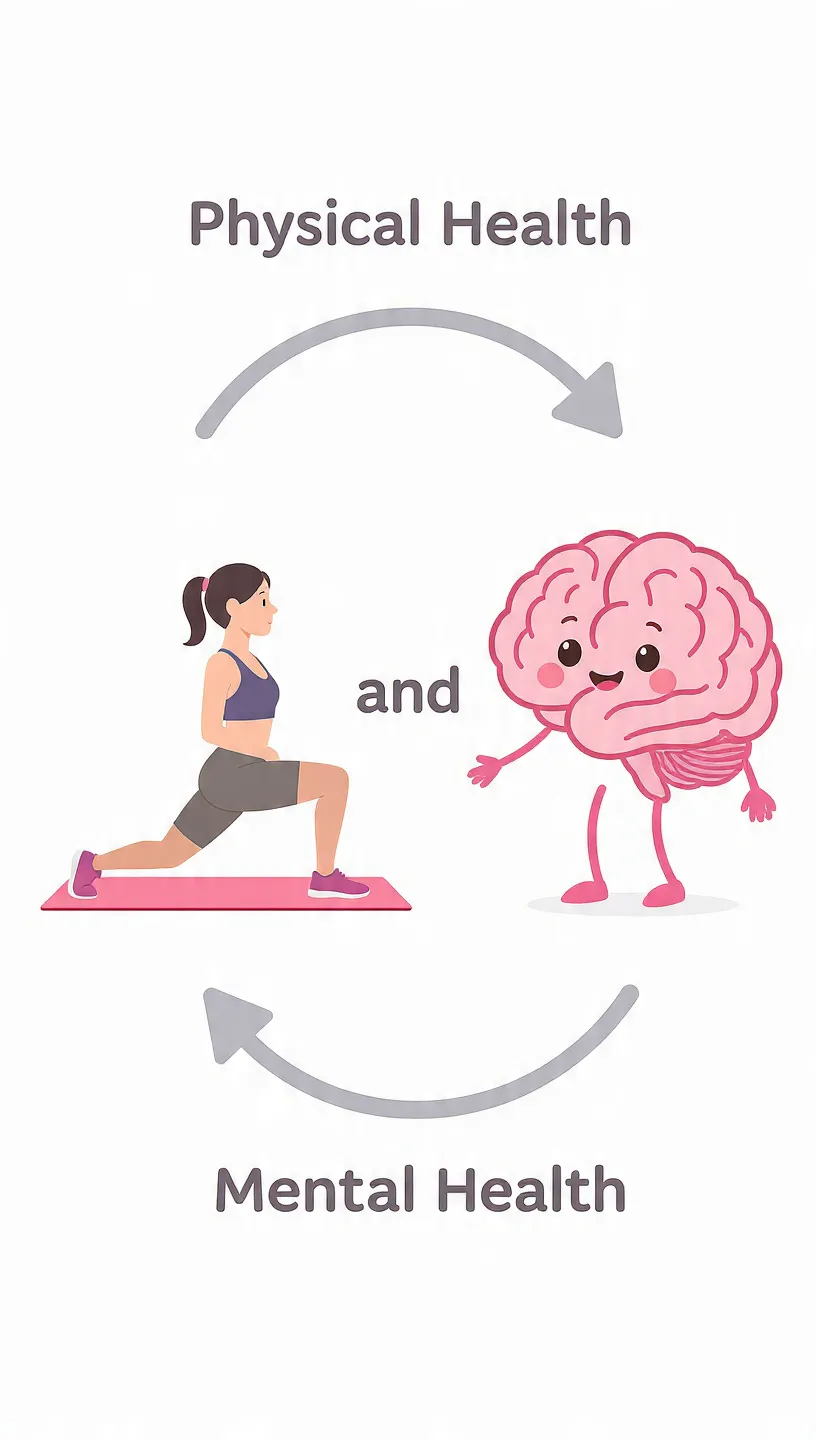
In today’s fast-paced world, work pressure, academic demands, and social responsibilities can leave us feeling stressed, overwhelmed, and mentally exhausted. While many people focus on physical fitness, fewer realize that physical activity plays a powerful role in improving mental health.
Scientific research increasingly shows that regular exercise not only strengthens the body but also enhances mood, reduces stress, and improves overall psychological well-being. In this article, we’ll explore the strong connection between physical activity and mental health—and how you can use it to live a more balanced life.
How Physical Activity Improves Mood and Emotional Balance
Have you ever noticed how much better you feel after a workout? That’s not a coincidence. When you exercise, your brain releases several important chemicals that help regulate emotions and promote happiness.
Key “feel-good” chemicals include:
- Endorphins: Natural painkillers that create a sense of happiness and relaxation
- Serotonin: Helps regulate mood and reduce the risk of depression
- Dopamine: Linked to motivation, reward, and feelings of achievement
According to Harvard Health Publishing, just 30 minutes of daily exercise can significantly reduce symptoms of depression and improve overall mood.
Even simple activities like walking, jogging, or joining a fitness class can help you feel more relaxed and positive. Over time, this emotional boost can improve productivity and resilience in daily life.
Reducing Stress and Anxiety Naturally
Stress and anxiety are among the most common mental health challenges today. Fortunately, regular physical activity is a natural and effective way to manage them—without relying on medication.
Why exercise helps reduce stress:
- Lowers cortisol levels: Cortisol is the body’s primary stress hormone. Exercise helps regulate and reduce its levels.
- Improves oxygen flow to the brain: Better circulation enhances mental clarity and reduces feelings of overwhelm
- Strengthens the nervous system: Regular movement helps your body respond more calmly to stress over time
For example, a student experiencing exam anxiety may benefit from light exercise such as yoga, walking, or breathing exercises. These activities can calm the mind and improve focus, making it easier to handle stressful situations.
Boosting Self-Confidence Through Exercise
Confidence doesn’t only come from appearance—it also comes from how you feel about yourself. Physical activity helps build confidence in several ways:
1. Improved Body Image
As you become stronger and healthier, you may feel more comfortable and confident in your body.
2. Sense of Achievement
Completing a workout—even a short one—gives you a sense of accomplishment. Over time, these small wins build motivation and self-esteem.
3. Greater Control Over Your Life
Maintaining a regular exercise routine requires discipline. Sticking to it can make you feel more in control and empowered in other areas of life.
For instance, someone who is shy or socially anxious may gain confidence by joining group fitness classes like aerobics or dance. Interacting with others in a supportive environment can help them feel more comfortable expressing themselves.
Enhancing Focus, Memory, and Productivity
Physical activity doesn’t just benefit your emotions—it also improves how your brain functions.
Research from the Beckman Institute for Advanced Science and Technology shows that exercise can:
- Boost memory and concentration by stimulating new brain cell growth
- Increase creativity by enhancing brain flexibility
- Reduce mental fatigue, helping you stay alert throughout the day
If you often struggle with focus at work or school, try incorporating short movement breaks into your day. Even a quick walk or light stretching session can refresh your mind and improve productivity.
Better Sleep Quality Through Regular Exercise
Sleep plays a crucial role in mental health, and physical activity can significantly improve sleep quality.
According to the Sleep Foundation, people who exercise regularly tend to fall asleep faster and enjoy deeper, more restful sleep.
How exercise improves sleep:
- Regulates your body’s internal clock (circadian rhythm)
- Reduces stress and promotes relaxation
- Helps your body use energy efficiently, making you naturally tired at night
If you struggle with insomnia or restless sleep, consider adding light activities like yoga or stretching before bedtime.
Strengthening Social Connections
Physical activity isn’t just a solo journey—it can also help you build meaningful relationships.
Social benefits of exercise:
- Opportunities to meet people with similar interests
- Improved teamwork skills through group sports
- Increased sense of belonging and emotional support
For example, joining a local sports club, gym class, or dance group can help you connect with others and feel less isolated. This is especially helpful if you’ve recently moved to a new environment or want to expand your social circle.
Final Thoughts
The connection between physical activity and mental health is undeniable. From reducing stress and anxiety to boosting confidence and improving sleep, exercise offers a wide range of psychological benefits.
The best part? You don’t need intense workouts to see results. Even 30 minutes of moderate activity per day—like walking, cycling, or yoga—can make a meaningful difference.
Start small, stay consistent, and remember: taking care of your body is one of the most effective ways to take care of your mind.