- Homepage
- Daily Habits
- Beginner-Friendly Home Workout Plan: A Simple Routine to Get Started
Beginner-Friendly Home Workout Plan: A Simple Routine to Get Started
 Leo Thompson
Posted on
Leo Thompson
Posted on Table of Contents
ToggleBeginner-Friendly Home Workout Plan: A Simple Routine to Get Started

Starting a fitness journey can feel overwhelming, especially if you don’t know where to begin. The good news is—you don’t need a gym membership or complicated routines to get in shape. With a simple home workout plan, beginners can burn calories, build strength, and improve overall health effectively.
In this guide, you’ll discover a beginner-friendly workout routine at home, along with essential tips to help you stay consistent and see real results.
Why Home Workouts Are Great for Beginners
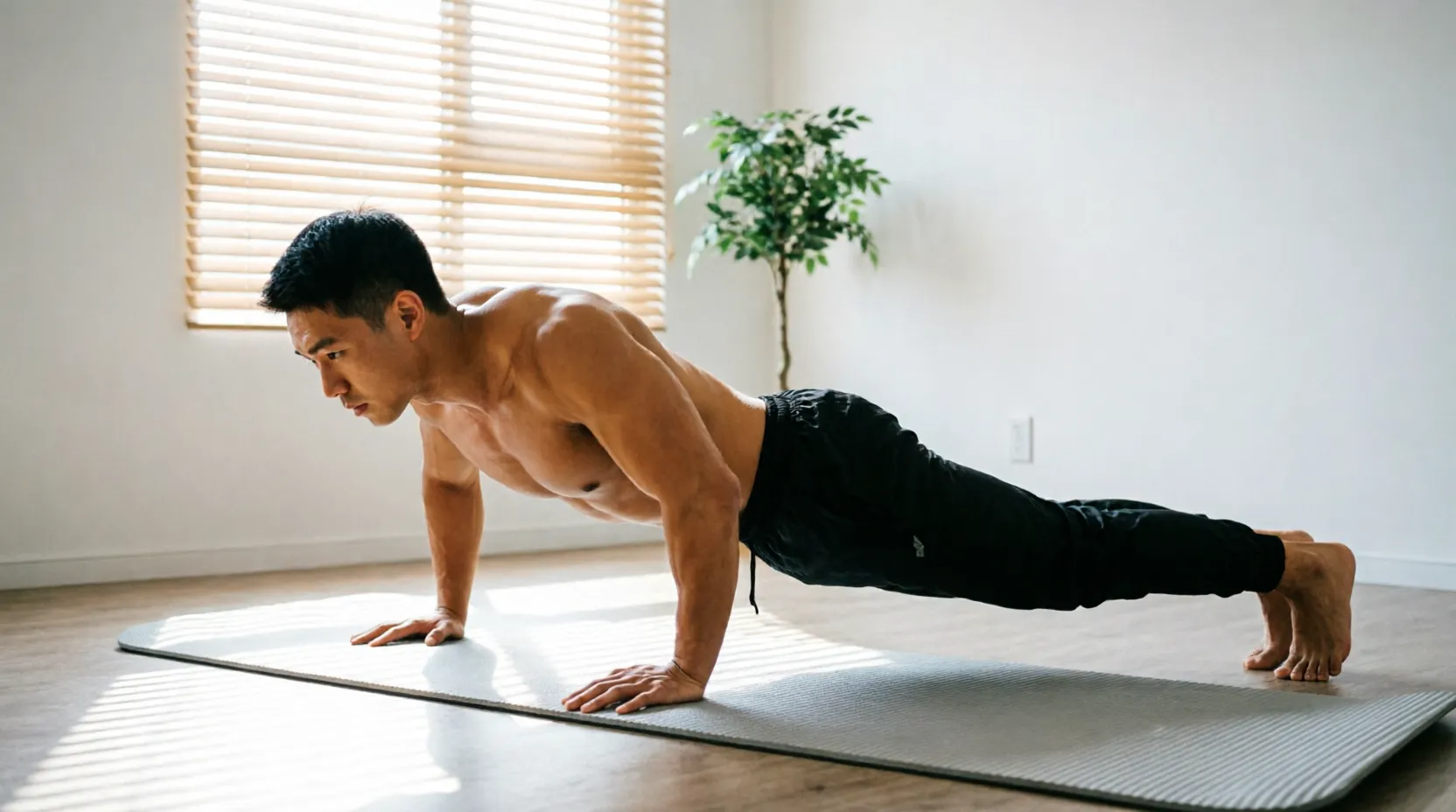
Home workouts are convenient, flexible, and cost-effective. They allow you to:
- Exercise anytime without commuting
- Build confidence at your own pace
- Focus on proper form without pressure
Most importantly, they help you establish a sustainable fitness habit.
Key Tips Before You Start
1. Prioritize Cardio Exercises
Cardio is one of the most effective ways to burn calories and improve heart health. As a beginner, aim for 30–45 minutes of cardio per session.
Popular options include:
- Jogging in place
- Jump rope
- Cycling
- Low-impact cardio routines
These exercises help reduce body fat and boost endurance.
2. Choose the Right Time to Work Out
The late afternoon (after 4 PM) is often considered an ideal time to exercise. At this time:
- Your body temperature is higher
- Muscles are more flexible
- Energy levels are elevated
This can improve performance and reduce the risk of injury. However, the best time is ultimately the one that fits your schedule consistently.
3. Rest and Recovery Are Essential
Rest is just as important as exercise. Proper recovery helps muscles repair and grow stronger.
- Rest 2–5 minutes between strength sets
- Rest 30–90 seconds for muscle-focused exercises
- Sleep 7–9 hours per night
- Take 1–2 rest days per week
Skipping rest can lead to fatigue and increase the risk of injury.
4. Focus on Nutrition
A balanced diet plays a crucial role in your fitness journey. To support fat loss and muscle growth:
- Eat protein-rich foods (eggs, chicken, fish, beans)
- Include fiber from fruits and vegetables
- Limit processed foods and sugar
Healthy eating habits will enhance your workout results and help maintain your physique.
Beginner Workout Schedule (3 Days per Week)
If you’re just starting out, begin with 3 workout sessions per week. This schedule focuses on full-body development and helps your body adapt gradually.
Day 1: Cardio Workout
Perform a 30-minute cardio session using beginner-friendly movements. Low-impact routines are ideal and can burn approximately 250–300 calories.
Day 2: Upper Body Workout
Focus on exercises that strengthen your chest, back, shoulders, and arms. Spend about 20 minutes performing movements such as:
- Bicep curls
- Tricep extensions
- Shoulder presses
- Lateral raises
These exercises improve posture and build upper body strength.
Day 3: Lower Body Workout
Train your legs and glutes with exercises like:
- Squats
- Lunges
- Deadlifts
You can use light dumbbells to increase intensity. These movements help build strength and improve mobility.
Don’t Skip Warm-Up and Stretching
Warm-Up (5–10 Minutes)
Prepare your body with simple movements like:
- Arm circles
- Leg swings
- Hip rotations
Warming up reduces injury risk and improves performance.
Cool-Down and Stretching
After your workout, spend time stretching major muscle groups:
- Neck, shoulders, arms
- Back and hips
- Legs
Stretching helps reduce soreness, improve flexibility, and speed up recovery.
Advanced Workout Plan (4–6 Days per Week)
Once your body adapts, you can increase your training frequency to 4–6 days per week. At this stage, focus on specific muscle groups.
Example: 4-Day Split
- Day 1: Shoulders, legs, abs
- Day 2: Glutes, thighs, abs
- Day 3: Cardio
- Day 4: Arms, abs, legs
Example: 6-Day Split
- Day 1: Legs and thighs
- Day 2: Arms and chest
- Day 3: Cardio
- Day 4: Back, shoulders, abs
- Day 5: Cardio
- Day 6: Full body
Tip: Alternate between large muscle groups (legs, back) and smaller ones (arms, shoulders) to avoid overtraining.
Recommended Exercises for Beginners
Back Exercises
Push-ups and planks help strengthen the back and improve posture. Regular training can also reduce back pain and increase flexibility.
Shoulder Workouts
Use light dumbbells for shoulder exercises. Keep your back straight and move slowly to maintain control and avoid injury.
Glutes and Thighs
Squats are highly effective for toning the lower body. Adding weights can enhance results and build muscle faster.
Core and Abs
Exercises like planks, crunches, and Russian twists target abdominal muscles. Proper form is key to achieving a toned waistline.
Final Thoughts
Starting a fitness routine at home doesn’t have to be complicated. With this beginner home workout plan, you can build strength, burn fat, and improve your overall health step by step.
Remember:
- Start slow and stay consistent
- Focus on proper form
- Combine exercise with good nutrition
Your fitness journey is a marathon, not a sprint. Stay patient, and you’ll see lasting results over time.
You Might Also Like