
Daily Habits to Naturally Boost Health and Energy
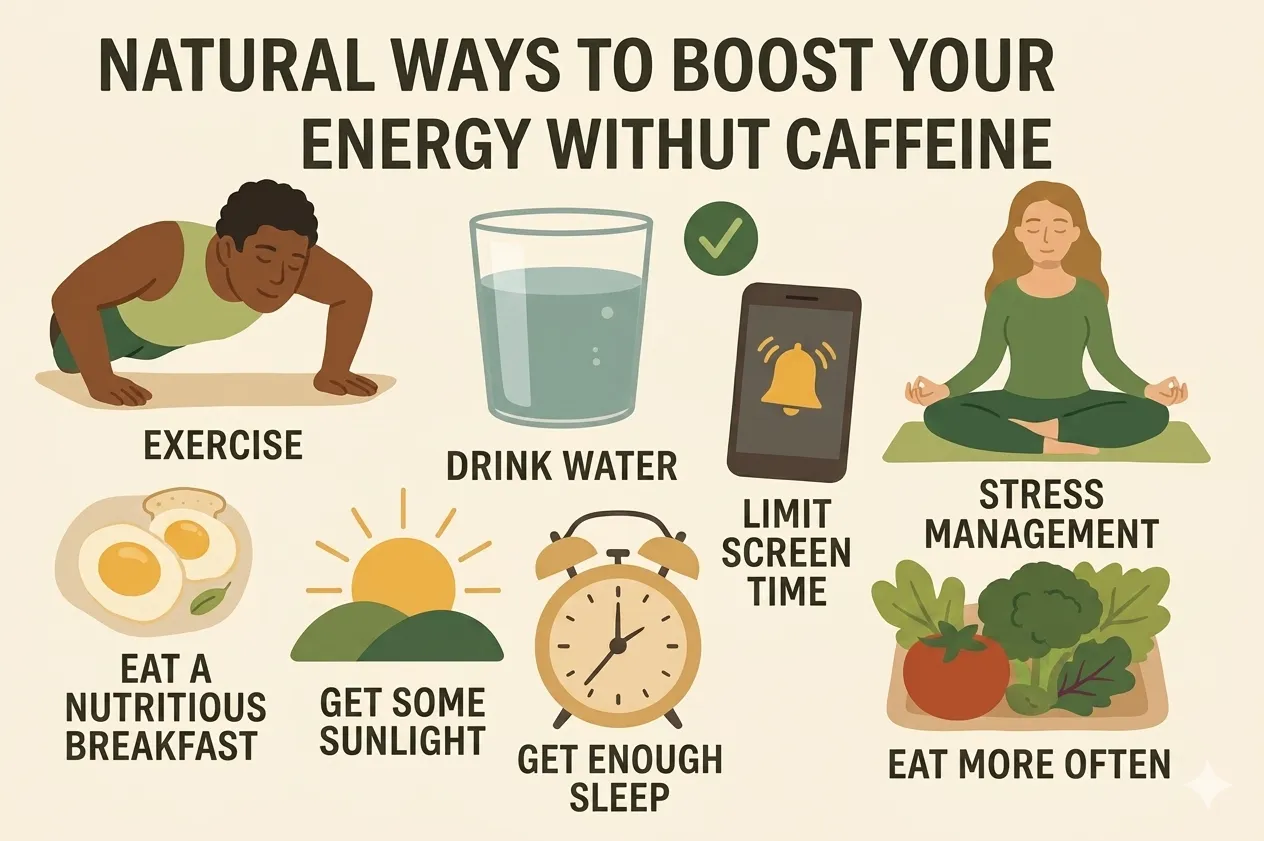
In a world obsessed with quick fixes and energy drinks, true vitality doesn’t come from shortcuts—it comes from small, consistent daily habits. Your health is not built overnight, nor is it the result of one extraordinary action. Instead, it’s shaped by the choices you make every single day: how you wake up, what you eat, how you move, how you manage stress, and how well you rest.
When these small habits align with your body’s natural rhythms, energy flows more easily, and well-being becomes sustainable. In this article, you’ll discover simple, science-backed daily habits that naturally improve your health and boost your energy levels—without extreme diets or complicated routines.
Start Your Morning with Intention
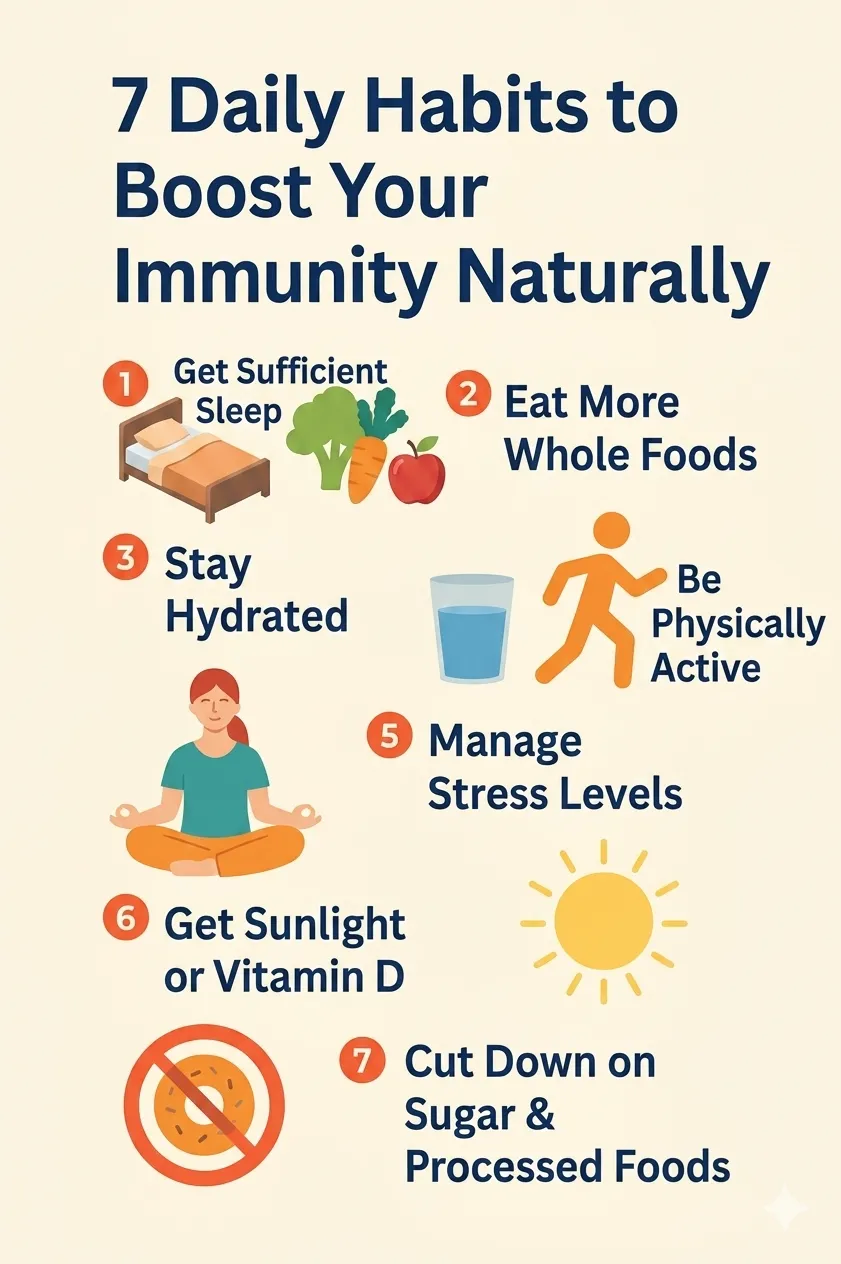
Your morning routine sets the tone for the entire day. Waking up in a rush often leads to stress and low energy, while a calm, intentional start helps your body and mind transition smoothly into activity.
One of the most effective habits is maintaining a consistent sleep-wake schedule. Your body operates on a circadian rhythm—an internal clock that regulates hormones, metabolism, and energy. Going to bed and waking up at the same time each day helps stabilize this rhythm.
Another powerful habit is getting natural sunlight shortly after waking. Morning light signals your brain to increase alertness and supports healthy cortisol levels, giving you a natural energy boost—without relying on caffeine.
You can also include simple mindful practices such as:
- Deep breathing
- Light stretching
- Journaling or gratitude reflection
These activities calm your nervous system and prepare you mentally for the day ahead.
Nourish Your Body with Whole Foods
Food is more than just fuel—it’s information for your body. Every meal sends signals that affect your energy, mood, and overall health.
A diet based on whole, minimally processed foods provides the nutrients your body needs for sustained energy. Focus on:
- Fruits and vegetables
- Whole grains
- Legumes and beans
- Nuts and seeds
- Lean proteins
Unlike processed foods that cause rapid spikes and crashes in blood sugar, whole foods deliver steady, long-lasting energy.
Hydration is equally important. Even mild dehydration can lead to fatigue, poor concentration, and irritability. Drinking enough water throughout the day is one of the simplest ways to maintain energy levels.
For balanced energy, combine macronutrients in your meals. Pairing carbohydrates with protein and healthy fats slows digestion and helps stabilize blood sugar. For example, an apple with almond butter provides a better energy boost than a sugary snack alone.
Move Your Body Throughout the Day
Many people think exercise must be intense or time-consuming. In reality, your body is designed for regular, natural movement.
A sedentary lifestyle can slow metabolism, reduce circulation, and lower energy levels. The good news is that even light, consistent movement can reverse these effects.
Simple ways to stay active include:
- Walking regularly
- Taking the stairs
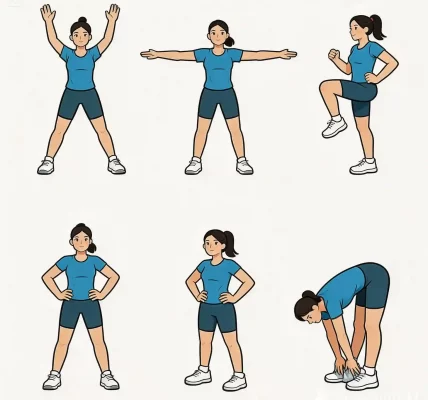
- Stretching during breaks
- Practicing yoga
- Doing short strength exercises
Walking, in particular, is one of the most underrated habits. It improves cardiovascular health, reduces stress, boosts mood, and even enhances creativity.
Consistency matters more than intensity. Short, frequent movement sessions are often more beneficial than occasional intense workouts.
Manage Stress Through Breathing and Mindfulness
Energy isn’t just physical—it’s deeply connected to your mental and emotional state. Chronic stress can drain your energy, disrupt hormones, and weaken your immune system.
One of the most effective ways to restore energy is conscious breathing.
Slow, deep breathing activates the parasympathetic nervous system—your body’s “rest and recover” mode. Just a few minutes of diaphragmatic breathing can lower heart rate, reduce cortisol, and improve mental clarity.
Other helpful stress-management habits include:
- Meditation
- Mindfulness practices
- Gratitude journaling
- Taking short breaks from screens
- Spending time in nature
These habits don’t just reduce stress—they help build long-term emotional resilience.
Prioritize Rest and Quality Sleep
No amount of healthy eating or exercise can replace proper rest. Sleep is a biological necessity, not a luxury.
During deep sleep, your body repairs tissues, balances hormones, and clears waste from the brain. Poor sleep disrupts everything from mood to metabolism and immune function.
To improve sleep quality, create a supportive environment:
- Keep your bedroom cool, dark, and quiet
- Maintain a consistent bedtime
- Avoid screens at least 30 minutes before sleep
- Limit exposure to blue light at night
Rest also includes short breaks during the day. Taking time to pause, relax, or even nap briefly can restore mental focus and physical energy.
Build Strong Social Connections
Human connection is a powerful but often overlooked factor in health and energy. Positive relationships can boost mood, reduce stress, and even improve longevity.
Simple daily habits to strengthen connections include:
- Sharing meals with family
- Having meaningful conversations
- Calling or checking in with loved ones
- Showing kindness and empathy
Laughter, touch, and emotional support release beneficial hormones like endorphins and oxytocin, which naturally enhance well-being.
Final Thoughts: Small Habits, Big Impact
Improving your health and energy doesn’t require drastic changes. It starts with small, consistent habits that align with your body’s natural needs.
Remember:
- Start your day with intention
- Eat whole, balanced foods
- Move regularly
- Manage stress mindfully
- Prioritize rest and sleep
- Nurture meaningful relationships
These habits may seem simple, but their impact is profound. Over time, they transform your health, boost your energy, and create a lifestyle that feels natural, balanced, and sustainable.