

What Is a Sustainable Diet? A Complete Guide to Eating for Health and the Planet
Meta Description: Learn what a sustainable diet is, why it matters, and how to apply it in daily life. Discover tips for healthy eating that also protect the environment.
Introduction: Why Sustainable Diets Matter
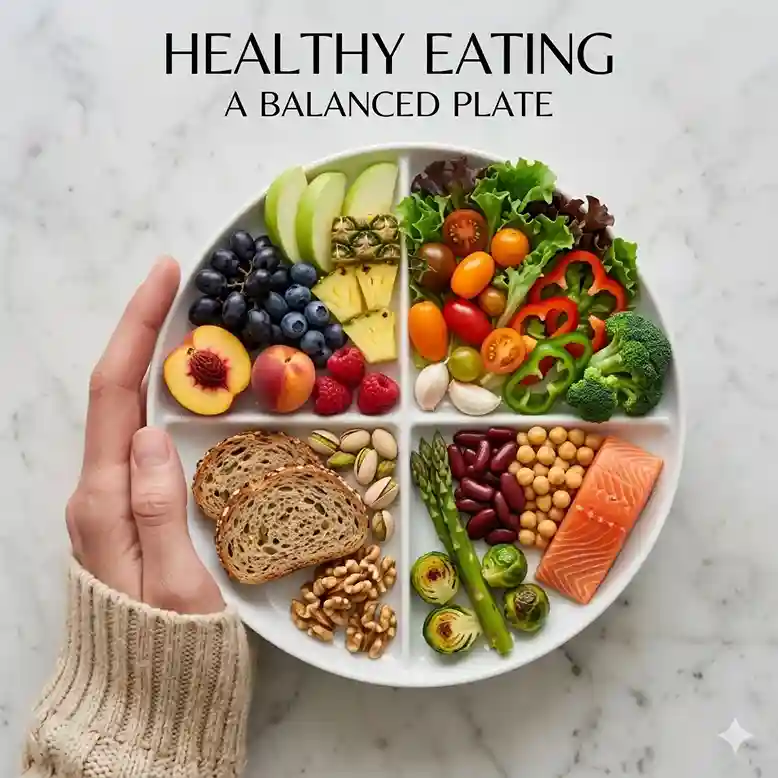
In today’s world, the way we eat affects more than just our personal health—it also impacts the environment, economy, and society. A sustainable diet is designed to support both human well-being and the planet’s future.
At its core, a sustainable diet considers four key aspects:
- Nutritional health
- Economic accessibility
- Cultural and social relevance
- Environmental impact
The ultimate goal is simple: to create a healthy lifestyle that can be maintained for both current and future generations.
What Is a Sustainable Diet?
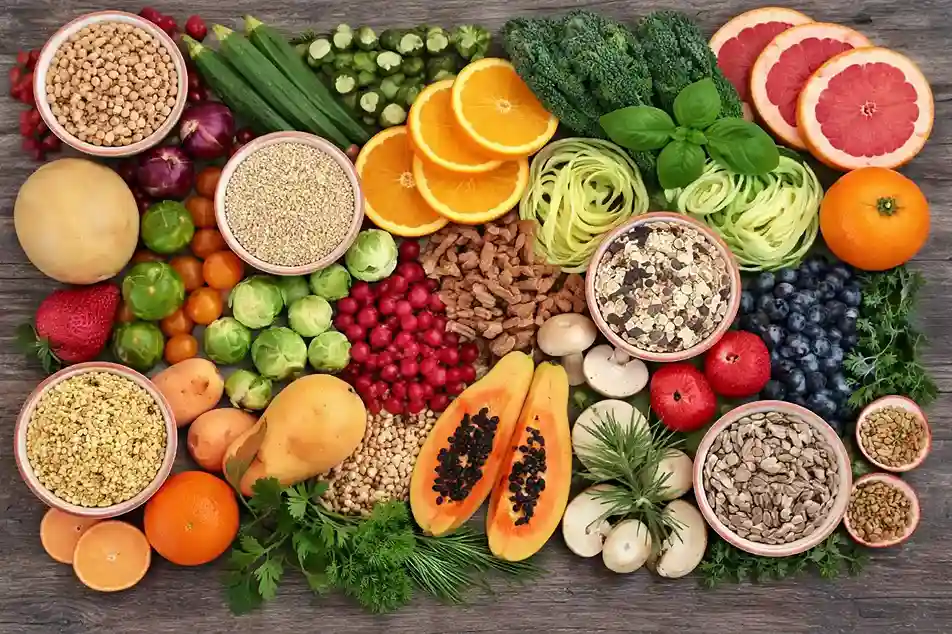
A sustainable diet focuses on choosing foods that have minimal environmental impact while still providing adequate nutrition. It emphasizes biodiversity, food security, and affordability, ensuring that healthy eating is accessible to everyone.
According to guidelines from Food and Agriculture Organization and World Health Organization, sustainable diets should:
- Start early in life, including proper nutrition before pregnancy and breastfeeding
- Prioritize whole, minimally processed foods
- Limit excessive consumption of meat, alcohol, and packaged beverages
- Use local and natural food sources
- Reduce plastic use in food packaging
These principles aim to create a diet that is healthy, safe, culturally appropriate, and environmentally friendly.
Why Sustainable Eating Is Important
1. Nutritional Impact
Unhealthy eating habits are a global concern. Billions of people face malnutrition, while obesity rates continue to rise. Poor diets can lead to serious physical and mental health problems.
A sustainable diet helps:
- Prevent nutrient deficiencies
- Reduce the risk of chronic diseases
- Support long-term physical and mental health
2. Environmental Impact
Modern agriculture contributes significantly to environmental issues:
- Around 30% of global greenhouse gas emissions
- Up to 70% of freshwater usage
- Deforestation and resource depletion
A sustainable diet reduces these impacts by encouraging:
- Lower meat consumption
- Eco-friendly farming practices
- Reduced food waste and packaging
3. Economic, Cultural, and Social Impact
Food choices are influenced not only by nutrition but also by culture, income, and accessibility. For example, people living in urban or industrial areas often rely more on processed foods due to convenience.
Sustainable diets aim to:
- Support local farmers and economies
- Respect cultural food traditions
- Improve food accessibility for all communities
🇻🇳 How to Practice a Sustainable Diet in Daily Life
You don’t need drastic changes to start eating sustainably. Here are practical tips you can apply:
Eat Local
Choose locally produced foods to reduce transportation emissions and support nearby farmers.
Eat Seasonal
Seasonal foods are fresher, more nutritious, and require fewer chemicals during production.
Eat Less but Better Meat
Reduce meat consumption and replace part of it with plant-based proteins like beans and legumes.
Choose Whole Foods
Prioritize natural, minimally processed foods to retain nutrients and reduce packaging waste.
Use Natural Ingredients
Opt for natural oils, fats, and seasonings instead of highly processed alternatives.
Enjoy Meals Mindfully
Cooking and eating with family can improve both mental well-being and your relationship with food.
Trust Your Choices
Be mindful of marketing and focus on what truly benefits your health. Walking or using public transport for grocery shopping can also reduce your environmental footprint.
The Bigger Picture: Your Diet Has Global Impact
Sustainable eating is not just a personal choice—it’s a global responsibility. Governments and organizations worldwide are working toward building sustainable food systems that ensure access to safe, nutritious, and diverse foods.
However, individual actions still matter.
Every meal you choose contributes to:
- Environmental sustainability
- Public health
- Economic development
Final Thoughts
A sustainable diet is about balance—between health, environment, culture, and economy. It doesn’t require perfection, just conscious and consistent choices.
By adopting small changes such as eating local, reducing waste, and choosing whole foods, you can:
- Improve your health
- Protect the environment
- Support your community